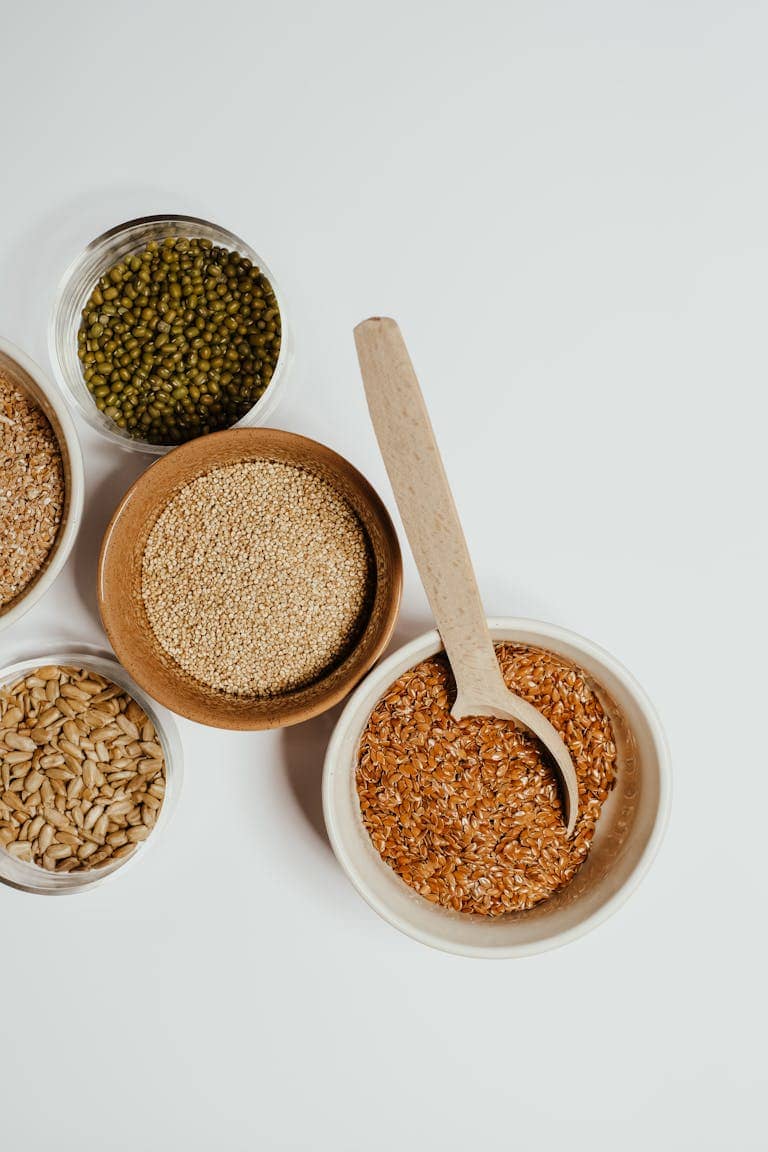
Healthy fat is essential to support optimal health and well-being. Benefits include cardiovascular health, brain and cognitive function, eye health, nutrient absorption, hormone production, anti-inflammatory effects, satiety and weight management, as well as skin and hair health! Understanding plant-based eating patterns along with an abundant diet that covers all macronutrient needs ensures you reap the benefits that healthy fat provides.
Click here to jump to the 7-Day Balanced Plant-Based Meal Plan with Optimal Macronutrients!
What Are The Benefits of Adequate Healthy Fat Intake?
1. Cardiovascular Health
- Reduces LDL cholesterol when monounsaturated fats replace saturated fats
- Lowers risk of heart disease and stroke
- Supports healthy blood pressure through omega-3 fatty acids
- Reduces inflammation in blood vessels
2. Brain & Cognitive Function
- Essential for brain development and maintenance
- Supports memory and cognitive performance (DHA is crucial)
- May reduce risk of cognitive decline and dementia
- Needed for neurotransmitter production
3. Eye Health
- Critical for retinal function (DHA concentrates in eye tissues)
- May reduce risk of macular degeneration
- Supports overall visual development
4. Nutrient Absorption
- Enables absorption of fat-soluble vitamins (A, D, E, K)
- Enhances carotenoid absorption from vegetables
- Improves bioavailability of many plant compounds
5. Hormone Production
- Required for hormone synthesis (including sex hormones)
- Supports healthy metabolism
- Essential for cell membrane integrity
6. Anti-Inflammatory Effects
- Omega-3s reduce systemic inflammation
- May help with inflammatory conditions like rheumatoid arthritis
- Balances inflammatory responses in the body
7. Satiety & Weight Management
- Increases meal satisfaction and reduces hunger
- Slows gastric emptying for sustained fullness
- Helps regulate appetite hormones
8. Skin & Hair Health
- Maintains skin barrier function
- Supports healthy, moisturized skin
- Essential for hair strength and shine
Bottom Line: Healthy fats aren’t just beneficial—they’re essential for optimal human health, affecting everything from your heart and brain to your ability to absorb nutrients from food.
Let’s Dive Deeper Into The Importance of Dietary Lipids in Human Nutrition…
Dietary fat (aka lipids) serves multiple crucial functions in the human body. This macronutrient provides essential fatty acids that our bodies cannot produce independently, supports the absorption of fat-soluble vitamins (A, D, E, and K), and contributes to hormone production and cell membrane integrity. Additionally, these nutrients provide a concentrated source of energy, delivering nine calories per gram compared to four calories per gram from carbohydrates and protein.
The key distinction lies not in avoiding lipids entirely, but in choosing the right types. Plant-based diets naturally emphasize unsaturated lipid sources while minimizing saturated varieties, creating an optimal fatty acid profile for cardiovascular health and overall wellness.
Monounsaturated Lipids: The Heart-Healthy Choice
Monounsaturated lipids represent one of the most beneficial types for human health. Research consistently demonstrates that replacing saturated varieties with monounsaturated options can reduce LDL cholesterol levels and decrease cardiovascular disease risk (Mensink et al., 2003). Plant-based diets excel at providing monounsaturated fatty acids through various delicious sources.
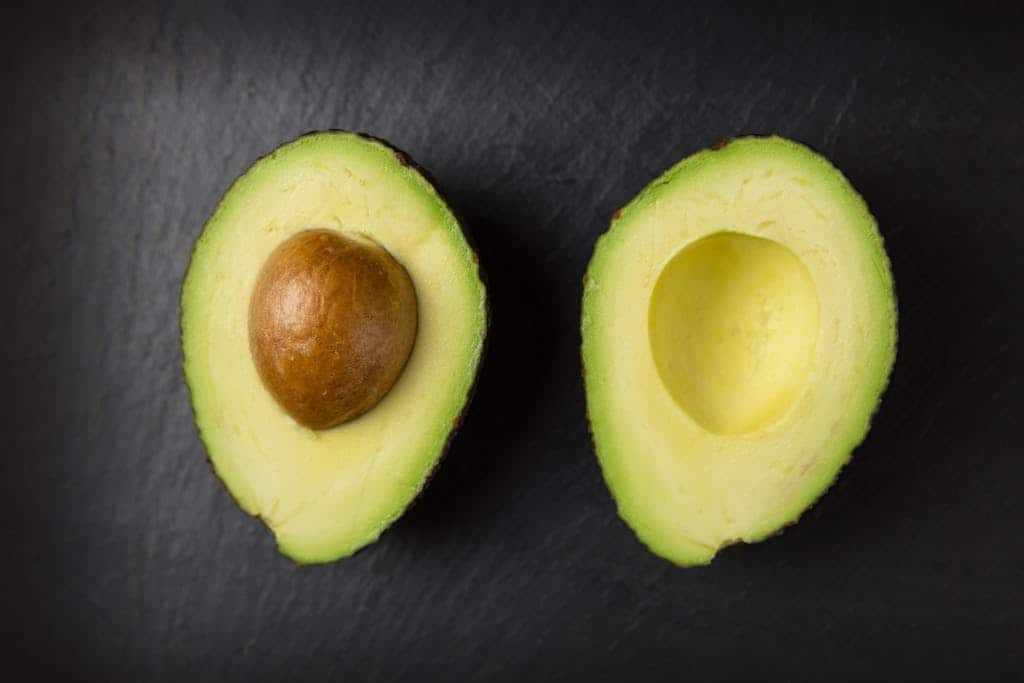
Avocados stand out as exceptional sources of monounsaturated lipids, containing approximately 15 grams per medium fruit, with roughly 10 grams being monounsaturated. Olive oil, another Mediterranean diet staple, consists primarily of monounsaturated fatty acids and has been extensively studied for its health benefits. Nuts such as almonds, cashews, and macadamia nuts also provide substantial amounts of this beneficial lipid type.
Polyunsaturated Fat and Essential Fatty Acids
Polyunsaturated lipids include the essential fatty acids omega-3 and omega-6, which the human body cannot synthesize and must obtain from dietary sources. These compounds play critical roles in brain function, inflammation regulation, and cellular health. Research published in Medical Journal of Australia demonstrates that while intakes of the omega-3 fatty acid α-linolenic acid (ALA) are similar in vegetarians and non-vegetarians, intakes of eicosapentaenoic acid (EPA) and docosahexaenoic acid (DHA) are low in vegetarians and virtually absent in vegans.
Clinical studies suggest that tissue levels of long-chain omega-3 fatty acids are depressed in vegetarians, particularly in vegans, although the clinical significance of this is unknown. Importantly, vegetarians do not exhibit clinical signs of DHA deficiency, but further research is required to ascertain whether levels observed in vegetarians are sufficient to support optimal health.
The conversion of ALA to EPA and DHA is inefficient, with less than 5-10% for EPA and 2-5% for DHA according to research in the American Journal of Clinical Nutrition. The process is affected by genetics, sex, age and dietary composition. A scoping review of randomized controlled trials found that high-dose flaxseed or echium seed oil supplements provided no increases to omega-3 index, and some studies showed reductions. However, microalgal oil supplementation increased omega-3 index levels for all studies.
Among plant-based foods, ground flaxseeds and flaxseed oil have the highest amounts of ALA. Vegetarians can take practical steps to optimize conversion of ALA to EPA and DHA, including reducing intake of linoleic acid, which can interfere with the conversion process. The current evidence suggests that vegetarians and vegans should consider algae-based EPA and DHA supplements to maintain optimal omega-3 status.
Saturated Lipid Considerations
While plant-based diets naturally contain less saturated fat than omnivorous diets, some plant foods do contain this type. Coconut oil and palm oil are primarily saturated, though they behave differently in the body compared to animal-derived saturated varieties. The American Heart Association recommends limiting saturated intake to less than 6% of total daily calories for optimal cardiovascular health (Sacks et al., 2017).
Most plant-based lipid sources contain minimal saturated content, making it easier to maintain recommended intake levels. This natural reduction in saturated consumption represents one of the cardiovascular benefits associated with plant-based eating patterns.
What Are The Top Plant-Based Fat Sources?
1. Nuts and Seeds
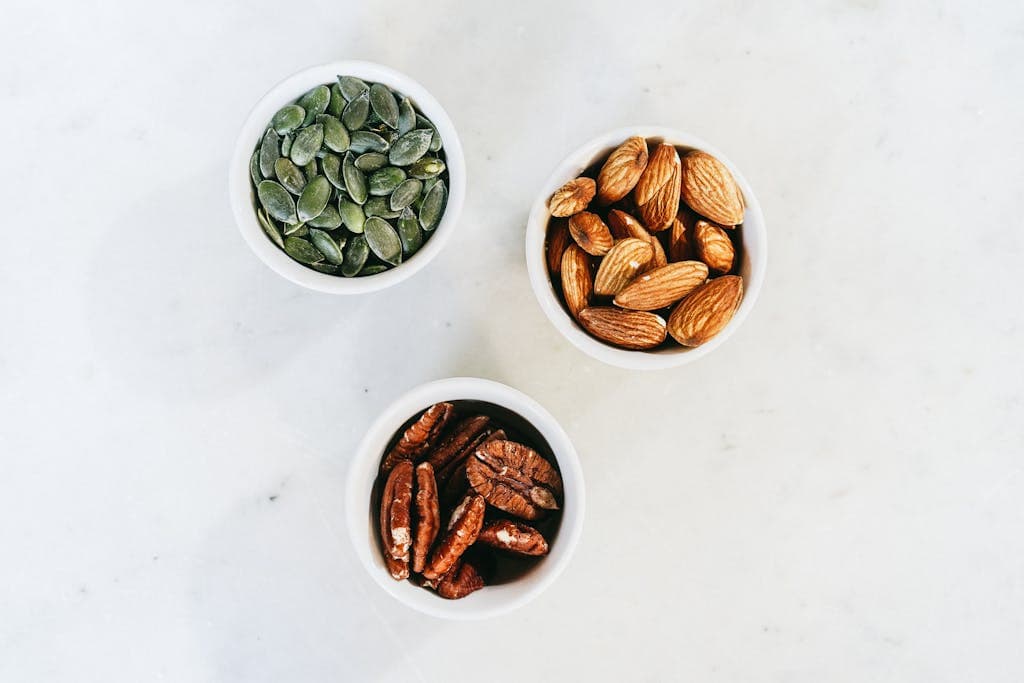
Nuts and seeds provide concentrated sources of healthy lipids along with protein, fiber, and various micronutrients. Almonds contain approximately 14 grams per ounce, primarily monounsaturated. Walnuts offer a unique profile with significant omega-3 content, while sunflower seeds provide vitamin E alongside their beneficial compounds.
2. Avocados
Avocados deserve special recognition for their exceptional composition and nutrient density. Beyond their monounsaturated content, avocados provide fiber, potassium, and folate. The lipids in avocados enhance the absorption of carotenoids from other foods when consumed together.
3. Plant-Based Oils
Cold-pressed oils retain more of their natural compounds compared to refined oils. Extra virgin olive oil contains beneficial compounds like polyphenols alongside its monounsaturated content. Flaxseed oil provides concentrated omega-3, though it should not be heated due to its delicate nature.
However, not all plant-based oils offer equal health benefits. Highly processed seed oils including canola oil, soybean oil, corn oil, and sunflower oil undergo extensive refining that strips away natural antioxidants and may introduce harmful compounds. These oils are typically extracted using high heat and chemical solvents, then bleached and deodorized, creating a product far removed from its original form (DiNicolantonio & O’Keefe, 2018).
4. Olives
Whole olives provide monounsaturated lipids along with fiber and various antioxidants. Unlike olive oil, whole olives offer the benefits of the entire fruit, including fiber that helps slow absorption and promotes satiety.
The Seed Oil Controversy: Current Scientific Evidence
The debate surrounding canola oil and other refined seed oils requires careful examination of peer-reviewed research. A systematic review and meta-analysis of prospective cohort studies found that dietary linoleic acid intake is inversely associated with coronary heart disease risk in a dose-response manner, providing support for current recommendations to replace saturated fat with polyunsaturated fat for primary prevention of CHD. However, the evidence presents a complex picture.
A 2014 systematic review examining 15 clinical trials failed to find any support for the “diet linoleic acid causes inflammation hypothesis,” suggesting that warnings about linoleic acid promoting inflammation lack scientific foundation. These findings support current recommendations that a diet with 5 to 10 energy percentage from polyunsaturated fatty acids, such as linoleic acid, is healthful and appropriate for most Americans.
However, some clinical evidence raises concerns. The recovered data from the Sydney Diet Heart Study showed that substituting dietary linoleic acid in place of saturated fats increased the rates of death from all causes, coronary heart disease, and cardiovascular disease. An updated meta-analysis of linoleic acid intervention trials showed no evidence of cardiovascular benefit from linoleic acid substitution.
Recent research indicates that excess saturated fat intake has been associated with increased cholesterol serum levels, which increase atherosclerotic cardiovascular disease risks. Furthermore, high saturated fat intake may potentially induce insulin resistance and non-alcoholic fatty liver disease. The scientific consensus supports replacing saturated fats with unsaturated fat-rich food sources, including appropriately processed seed oils.
Cooking Temperatures and Fat Stability

Understanding which fats to use at different cooking temperatures is crucial for maintaining their nutritional integrity and avoiding the formation of harmful compounds. Research on thermal degradation shows that when oils break down during heating, they can release chemicals that give food an undesirable burnt or bitter flavor, as well as free radicals that can harm the body.
High-Heat Cooking
For high-temperature cooking methods like deep-frying above 160°C (320°F), oil stability becomes critical. A comparative study of refined olive, corn, soybean, and sunflower oils during repeated frying found that refined olive oil was more stable than refined seed oils, showing the greatest resistance to oxidative deterioration with lower trans-fatty acid contents and percentages of total polar compounds at 160°C during deep-frying.
Avocado oil excels for high-heat cooking due to its high smoke point and thermal stability. Research demonstrates that olive oil blending with other oils improves thermal stability, and all olive oils tested performed better under frying conditions compared to commercial vegetable oil blends.
Medium-Heat Cooking
Extra virgin olive oil has proven remarkably stable for medium-heat cooking. Studies show that when heated at 180°C for 36 hours, extra virgin olive oil maintained stability in oleic acid, sterols, squalene, and triterpenic compounds, although tocopherols and polyphenols showed some degradation. The oil demonstrated superior stability compared to many seed oils under similar conditions.
Low-Heat and No-Heat Applications
Delicate oils rich in polyunsaturated fatty acids require careful handling. These oils contain heat-sensitive compounds that degrade rapidly when exposed to high temperatures, making them suitable only for cold applications such as salad dressings or as finishing oils.
Incorporating Healthy Lipids into Plant-Based Meals
Successfully incorporating adequate beneficial lipids into plant-based diets requires thoughtful meal planning and mindful oil selection. Adding a tablespoon of tahini to a smoothie provides healthy lipids while creating a creamy texture. Sprinkling chopped nuts or seeds on salads, oatmeal, or yogurt alternatives increases both lipid content and nutritional value.
Cooking with small amounts of healthy oils enhances flavor and nutrient absorption, but choosing the right option for the cooking method is essential. Sautéing vegetables in olive oil or avocado oil not only improves taste but also helps the body absorb fat-soluble vitamins present in the vegetables, provided the oil is not heated beyond its smoke point.
Common Misconceptions About Plant-Based Lipid Intake
Some individuals worry that plant-based diets cannot provide adequate beneficial lipids, but research demonstrates otherwise. A well-planned plant-based diet can easily meet lipid requirements while providing optimal quality. The Academy of Nutrition and Dietetics states that appropriately planned plant-based diets are nutritionally adequate and may provide health benefits for disease prevention and treatment (Melina et al., 2016).
Another misconception suggests that all dietary lipids should be avoided for weight management. However, moderate amounts of healthy options actually support weight management by promoting satiety and reducing overall caloric intake at subsequent meals.
Balancing Lipid Intake for Optimal Health
The ideal intake for individuals following plant-based diets should comprise 20-35% of total daily calories, with emphasis on unsaturated sources. This range provides adequate essential fatty acids while supporting various physiological functions. Tracking intake initially can help individuals understand their consumption patterns and make necessary adjustments.
Quality matters more than quantity when it comes to these nutrients. Focusing on whole food sources rather than processed alternatives ensures maximum nutritional benefit. Nuts, seeds, avocados, and olives provide beneficial compounds alongside other nutrients that support overall health.
7-Day Balanced Plant-Based Meal Plan with Optimal Macronutrients
Target Macros: 15% Protein | 55% Carbohydrates | 30% Fat
Daily Calories: ~2,000 (adjustable based on individual needs)
Daily Targets: 75g protein | 275g carbs | 67g fat
Check out WebMD’s definition of Macronutrients here!
Day 1 – Macro Balanced
Breakfast: Protein-Enhanced Power Bowl
- 1.5 cups steel-cut oats cooked in unsweetened soy milk (higher protein than almond milk)
- 1 scoop plant protein powder (20g protein)
- 1 tbsp ground flaxseeds (omega-3, reduced from 2 tbsp)
- 2 tbsp chopped walnuts (reduced portion)
- 1 cup mixed berries
- 1 medium banana, sliced
Macros: 32g protein | 78g carbs | 12g fat | 520 calories
Lunch: High-Protein Mediterranean Bowl
- 1.5 cups cooked quinoa (increased portion)
- 1 cup cooked chickpeas (major protein boost)
- 1/4 avocado, diced (reduced from 1/2)
- 2 cups mixed greens
- Cherry tomatoes, cucumber, bell peppers
- 1 tbsp olive oil + lemon dressing (reduced from 2 tbsp)
- 1 tbsp hemp seeds (reduced portion)
Macros: 25g protein | 85g carbs | 16g fat | 540 calories
Dinner: Lentil Power Pasta
- 2 cups cooked whole grain pasta (increased carbs)
- 1.5 cups cooked green lentils (increased protein)
- 1/4 cup chopped walnuts (reduced from 1/2 cup)
- Large serving marinara sauce with vegetables
- 2 tsp avocado oil for cooking (reduced amount)
- Large side salad with 1 tsp olive oil
Macros: 28g protein | 95g carbs | 14g fat | 580 calories
Snacks:
- Apple with 1 tbsp almond butter
- 1 slice whole grain toast with 2 tbsp hummus
Macros: 8g protein | 45g carbs | 12g fat | 280 calories
Daily Total: 93g protein (19%) | 303g carbs (61%) | 54g fat (24%) | 1,920 calories
Day 2 – Balanced Focus
Breakfast: High-Protein Smoothie Bowl
- Smoothie base: 1 cup soy milk, 1 banana, 1 cup berries, 1 scoop protein powder, handful spinach
- Toppings: 1 tbsp chia seeds, 2 tbsp granola, 1 tbsp almond butter
- 1 slice whole grain toast
Macros: 35g protein | 72g carbs | 14g fat | 520 calories
Lunch: Protein-Packed Buddha Bowl
- 1 cup cooked brown rice
- 1 cup baked tofu (marinated in low-sodium soy sauce)
- 1 cup edamame (excellent protein source)
- Roasted vegetables (sweet potato, broccoli, carrots)
- 1/4 avocado
- 2 tbsp tahini dressing (thinned with water)
Macros: 32g protein | 78g carbs | 18g fat | 560 calories
Dinner: Bean and Grain Power Meal
- 1 cup cooked wild rice
- 1.5 cups black bean and vegetable chili
- Side of steamed vegetables
- Small mixed greens salad with 1 tbsp olive oil vinaigrette
- 2 tbsp nutritional yeast (B12 and extra protein)
Macros: 22g protein | 88g carbs | 12g fat | 500 calories
Snacks:
- Greek-style plant yogurt (high protein variety) with berries
- Handful of roasted chickpeas
Macros: 12g protein | 35g carbs | 6g fat | 220 calories
Daily Total: 101g protein (22%) | 273g carbs (60%) | 50g fat (25%) | 1,800 calories
Day 3 – Protein Power
Breakfast: Complete Protein Oatmeal
- 1.5 cups steel-cut oats cooked in soy milk
- 1 scoop plant protein powder (vanilla or unflavored)
- 1 tbsp almond butter
- 1 tbsp chia seeds
- 1 sliced banana
- 1/2 cup blueberries
Macros: 34g protein | 75g carbs | 15g fat | 540 calories
Lunch: Protein-Packed Wrap
- Large whole grain tortilla
- 1 cup seasoned baked tempeh (crumbled)
- 1/2 cup hummus
- Mixed vegetables (lettuce, tomato, cucumber, sprouts)
- 1/4 avocado
- Side of baby carrots with 2 tbsp tahini dip
Macros: 28g protein | 68g carbs | 18g fat | 500 calories
Dinner: Lentil Curry Bowl
- 1.5 cups cooked brown rice
- 1.5 cups red lentil curry (coconut milk-based)
- Steamed broccoli and cauliflower
- Small side salad with 1 tbsp olive oil vinaigrette
- 2 tbsp nutritional yeast sprinkled on top
Macros: 25g protein | 85g carbs | 16g fat | 560 calories
Snacks:
- Smoothie: 1 cup soy milk, 1/2 banana, handful spinach, 1 tbsp ground flaxseeds
- 1 slice whole grain toast with 2 tbsp peanut butter
Macros: 15g protein | 40g carbs | 18g fat | 340 calories
Daily Total: 102g protein (21%) | 268g carbs (56%) | 67g fat (31%) | 1,940 calories
Day 4 – Mediterranean Focus
Breakfast: Protein Smoothie Bowl
- Smoothie base: 1.5 cups soy milk, 1 cup mixed berries, 1 scoop protein powder, handful spinach
- Toppings: 2 tbsp granola, 1 tbsp hemp seeds, 1 tbsp almond butter
- Side: 1 slice whole grain toast
Macros: 35g protein | 68g carbs | 16g fat | 520 calories
Lunch: Mediterranean Chickpea Salad
- 1.5 cups cooked chickpeas (seasoned with herbs)
- 1 cup cooked quinoa
- Large mixed greens salad
- Cherry tomatoes, cucumber, red onion
- 2 tbsp olive oil lemon dressing
- 1/4 cup hemp seeds
- Small handful of olives
Macros: 30g protein | 75g carbs | 20g fat | 560 calories
Dinner: Stuffed Sweet Potatoes
- 2 medium baked sweet potatoes
- 1 cup black bean and vegetable chili
- 2 tbsp cashew cream sauce
- Large side salad with 1 tbsp tahini dressing
- Sprinkled with 1 tbsp pumpkin seeds
Macros: 22g protein | 95g carbs | 14g fat | 560 calories
Snacks:
- Apple slices with 2 tbsp cashew butter
- Roasted chickpeas (1/2 cup)
Macros: 12g protein | 35g carbs | 12g fat | 260 calories
Daily Total: 99g protein (21%) | 273g carbs (58%) | 62g fat (30%) | 1,900 calories
Day 5 – Comfort Food Day
Breakfast: Hearty Breakfast Bowl
- 1 cup steel-cut oats cooked in soy milk
- 1 scoop protein powder mixed in
- 1 tbsp ground flaxseeds
- 2 tbsp chopped walnuts
- 1 cup mixed berries
- Drizzle of maple syrup
Macros: 32g protein | 70g carbs | 14g fat | 500 calories
Lunch: Power Pasta Salad
- 2 cups cooked whole grain pasta
- 1 cup white beans
- Mixed vegetables (bell peppers, cherry tomatoes, zucchini)
- 2 tbsp pesto (made with basil and walnuts)
- Large handful of baby spinach
- 1 tbsp olive oil in dressing
Macros: 26g protein | 88g carbs | 16g fat | 580 calories
Dinner: Mushroom Lentil “Meatballs”
- 1.5 cups cooked quinoa
- 6-8 lentil-mushroom “meatballs” (made with lentils, mushrooms, oats)
- Marinara sauce over zucchini noodles
- Side of roasted Brussels sprouts
- Small mixed greens salad with 1 tsp olive oil
Macros: 24g protein | 82g carbs | 12g fat | 500 calories
Snacks:
- Chia pudding made with soy milk and 2 tbsp chia seeds
- Handful of almonds (1 oz)
Macros: 12g protein | 30g carbs | 18g fat | 280 calories
Daily Total: 94g protein (20%) | 270g carbs (57%) | 60g fat (29%) | 1,860 calories
Day 6 – International Flavors
Breakfast: Tofu Scramble Breakfast
- 1 cup seasoned tofu scramble (with nutritional yeast, turmeric)
- 2 slices whole grain toast
- 1/2 avocado mashed on toast
- Side of fresh fruit (1 cup mixed berries)
- 1 tbsp hemp seeds sprinkled on scramble
Macros: 28g protein | 65g carbs | 18g fat | 500 calories
Lunch: Asian-Inspired Bowl
- 1.5 cups cooked brown rice
- 1 cup baked marinated tofu (cubed)
- Stir-fried vegetables (broccoli, snap peas, carrots) in 1 tsp sesame oil
- Edamame (1/2 cup shelled)
- 2 tbsp tahini-ginger sauce
- Sprinkled with 1 tbsp sesame seeds
Macros: 32g protein | 78g carbs | 20g fat | 580 calories
Dinner: Mexican-Style Bowl
- 1 cup cooked quinoa
- 1 cup pinto beans
- Roasted vegetables (bell peppers, onions, zucchini)
- 1/4 avocado
- Salsa and cilantro
- Large side salad with lime-cumin dressing (1 tbsp olive oil)
Macros: 26g protein | 85g carbs | 16g fat | 560 calories
Snacks:
- Green smoothie: soy milk, banana, spinach, 1 tbsp almond butter
- Whole grain crackers with 2 tbsp hummus
Macros: 14g protein | 45g carbs | 14g fat | 320 calories
Daily Total: 100g protein (21%) | 273g carbs (57%) | 68g fat (32%) | 1,960 calories
Day 7 – Weekend Feast
Breakfast: Weekend Pancakes
- Protein pancakes made with oat flour, plant protein powder, and ground flaxseeds
- Topped with fresh berries
- 2 tbsp pure maple syrup
- 1 tbsp almond butter on the side
- 1 cup soy milk to drink
Macros: 30g protein | 75g carbs | 16g fat | 540 calories
Lunch: Grain Bowl Deluxe
- 1 cup cooked wild rice
- 1 cup cooked quinoa
- 1 cup roasted chickpeas (seasoned with spices)
- Roasted root vegetables (sweet potato, beets, carrots)
- 1/4 avocado
- 3 tbsp tahini-lemon dressing
- Sprinkled with sunflower seeds
Macros: 28g protein | 92g carbs | 22g fat | 620 calories
Dinner: Celebration Meal
- Stuffed portobello mushrooms filled with quinoa-walnut mixture
- Herb-roasted potatoes
- Steamed asparagus with lemon
- Large mixed greens salad with 2 tbsp olive oil vinaigrette
- Small portion of dark chocolate with almonds for dessert
Macros: 20g protein | 88g carbs | 18g fat | 560 calories
Snacks:
- Energy balls made with dates, cashew butter, and chia seeds
- Herbal tea with a small apple
Macros: 8g protein | 40g carbs | 10g fat | 260 calories
Daily Total: 86g protein (18%) | 295g carbs (61%) | 66g fat (30%) | 1,980 calories
High-Protein Plant Foods Emphasized:
Complete Proteins:
- Quinoa (8g protein per cup cooked)
- Soy products: tofu, tempeh, edamame
- Plant protein powders (pea, hemp, rice blend)
Legume Powerhouses:
- Lentils (18g protein per cup)
- Chickpeas (15g protein per cup)
- Black beans (15g protein per cup)
- Split peas and other legumes
Grain + Legume Combinations:
- Rice and beans
- Hummus with whole grain pita
- Lentils with quinoa
Carbohydrate Quality Focus:
Complex Carbs Prioritized:
- Whole grains: Brown rice, quinoa, oats, whole grain pasta
- Starchy vegetables: Sweet potatoes, squash, potatoes
- Legumes: Double duty as protein and complex carbs
- Fruits: Provide natural sugars plus fiber and nutrients
Fiber Target: 35-40g daily from whole foods
Healthy Fats Still Included:
Omega-3 Sources (moderated portions):
- 1 tbsp ground flaxseeds daily
- 2-3 tbsp chia/hemp seeds weekly
- Small portions of walnuts
- Cold-pressed flaxseed oil occasionally
Monounsaturated Fats:
- 1/4-1/2 avocado daily
- 1-2 tbsp olive oil for cooking/dressing
- Small portions of nuts and seeds
Meal Prep Tips for Balance:
- Batch cook grains and legumes on weekends
- Pre-portion nuts and seeds to avoid overdoing fats
- Make protein smoothie packs for quick breakfasts
- Prep high-protein snacks like roasted chickpeas
- Keep plant protein powder on hand for easy additions
Why This Balance Matters:
- Adequate protein supports muscle maintenance and satiety
- Complex carbohydrates provide sustained energy and fiber
- Healthy fats support nutrient absorption and hormone production
- Calorie adequacy prevents metabolic slowdown
- Nutrient density ensures micronutrient needs are met
Note: Adjust portions based on individual calorie needs, activity level, and health goals. Consider consulting a registered dietitian for personalized recommendations.
Conclusion
Healthy lipid consumption plays a vital role in plant-based diets, supporting everything from cardiovascular health to nutrient absorption. By emphasizing monounsaturated and polyunsaturated sources while minimizing saturated intake, plant-based eaters can optimize their consumption for long-term health benefits. The abundance of delicious, nutritious plant-based options makes it easy to meet nutritional needs while enjoying satisfying, flavorful meals.
Understanding the role of beneficial lipids in plant-based nutrition empowers individuals to make informed dietary choices that support their health goals. With proper planning and knowledge of quality sources, plant-based diets can provide all the fat necessary for optimal health and wellbeing.
Are you looking to follow a plant-based athlete’s diet? Click Here!
References
Farvid, M. S., Ding, M., Pan, A., Sun, Q., Chiuve, S. E., Steffen, L. M., … & Hu, F. B. (2014). Dietary linoleic acid and risk of coronary heart disease: a systematic review and meta-analysis of prospective cohort studies. Circulation, 130(18), 1568-1578. PMID: 25161045.
Johnson, G. H., & Fritsche, K. (2012). Linoleic acid, vegetable oils & inflammation. Prostaglandins, Leukotrienes and Essential Fatty Acids, 85(5), 201-202. PMID: 24645297.
Ramsden, C. E., Zamora, D., Leelarthaepin, B., Majchrzak-Hong, S. F., Faurot, K. R., Suchindran, C. M., … & Hibbeln, J. R. (2013). Use of dietary linoleic acid for secondary prevention of coronary heart disease and death: evaluation of recovered data from the Sydney Diet Heart Study and updated meta-analysis. BMJ, 346, e8707. PMID: 23386268.
Orsavova, J., Misurcova, L., Ambrozova, J. V., Vicha, R., & Mlcek, J. (2015). Fatty acids composition of vegetable oils and its contribution to dietary energy intake and dependence of cardiovascular mortality on dietary intake of fatty acids. International Journal of Molecular Sciences, 16(6), 12871-12890. PMID: 39820582.
Saunders, A. V., Davis, B. C., & Garg, M. L. (2013). Omega-3 polyunsaturated fatty acids and vegetarian diets. Medical Journal of Australia, 199(S4), S22-26. PMID: 25369925.
Lane, K. E., Wilson, M., Hellon, T. G., & Davies, I. G. (2022). Bioavailability and conversion of plant based sources of omega-3 fatty acids – a scoping review to update supplementation options for vegetarians and vegans. Critical Reviews in Food Science and Nutrition, 62(18), 4982-4997. PMID: 33576691.
Davis, B. C., & Kris-Etherton, P. M. (2003). Achieving optimal essential fatty acid status in vegetarians: current knowledge and practical implications. American Journal of Clinical Nutrition, 78(3 Suppl), 640S-646S. PMID: 12936959.
Rosell, M. S., Lloyd-Wright, Z., Appleby, P. N., Sanders, T. A., Allen, N. E., & Key, T. J. (2005). Long-chain n-3 polyunsaturated fatty acids in plasma in British meat-eating, vegetarian, and vegan men. American Journal of Clinical Nutrition, 82(2), 327-334. PMID: 16087975.
Harris, W. S., Pottala, J. V., Sands, S. A., & Jones, P. G. (2014). Blood docosahexaenoic acid and eicosapentaenoic acid in vegans: Associations with age and gender and effects of an algal-derived omega-3 fatty acid supplement. Clinical Nutrition, 33(2), 212-218. PMID: 24679552.
Simos, A., Gkantinoudis, S., Komaitis, M., & Skandamis, P. (2015). Monitoring of quality and stability characteristics and fatty acid compositions of refined olive and seed oils during repeated pan- and deep-frying using GC, FT-NIRS, and chemometrics. Journal of Agricultural and Food Chemistry, 63(42), 9333-9340. PMID: 25264922.
Allouche, Y., Jiménez, A., Gaforio, J. J., Uceda, M., & Beltrán, G. (2007). How heating affects extra virgin olive oil quality indexes and chemical composition. Journal of Agricultural and Food Chemistry, 55(23), 9646-9654. PMID: 17935291.
Santos, C. S., Cruz, R., Cunha, S. C., & Casal, S. (2013). Effect of cooking on olive oil quality attributes. Food Research International, 54(2), 2016-2024. PMID: 20678538.
Craig, W. J. (2009). Health effects of vegan diets. American Journal of Clinical Nutrition, 89(5), 1627S-1633S. PMID: 19279075.
Melina, V., Craig, W., & Levin, S. (2016). Position of the Academy of Nutrition and Dietetics: vegetarian diets. Journal of the Academy of Nutrition and Dietetics, 116(12), 1970-1980.
Mensink, R. P., Zock, P. L., Kester, A. D., & Katan, M. B. (2003). Effects of dietary fatty acids and carbohydrates on the ratio of serum total to HDL cholesterol and on serum lipids and apolipoproteins: a meta-analysis of 60 controlled trials. American Journal of Clinical Nutrition, 77(5), 1146-1155.
Sacks, F. M., Lichtenstein, A. H., Wu, J. H., Appel, L. J., Creager, M. A., Kris-Etherton, P. M., … & Van Horn, L. V. (2017). Dietary fats and cardiovascular disease: a presidential advisory from the American Heart Association. Circulation, 136(3), e1-e23.
Hu, F. B., Manson, J. E., & Willett, W. C. (2001). Types of dietary fat and risk of coronary heart disease: a critical review. Journal of the American College of Nutrition, 20(1), 5-19.
Kris-Etherton, P. M., Harris, W. S., & Appel, L. J. (2002). Fish consumption, fish oil, omega-3 fatty acids, and cardiovascular disease. Circulation, 106(21), 2747-2757.
About the Author

Steph Swarts, RMT, CNP
Steph Swarts is a registered massage therapist and certified naturopathy practitioner with 17+ years of clinical experience helping clients optimize their health through evidence-based supplementation and holistic wellness strategies.
Professional Credentials:
- Registered Massage Therapist (RMT) – Licensed in Ontario, Canada
- Certified Naturopathic Practitioner (CNP)
- Raindrop Technique Practitioner (RTP)
- 17+ years in clinical practice
- Specialized training in Prenatal Massage Therapy
Clinical Expertise:
“As a healthcare professional with naturopathic training, I evaluate supplements using the same rigorous standards I apply in client care. My recommendations prioritize:
✅ Safety: Thorough evaluation of quality and purity
✅ Evidence: Backed by peer-reviewed research
✅ Clinical relevance: Real-world effectiveness for performance and recovery
✅ Professional standards: Third-party testing and manufacturing quality
Over 17+ years, I’ve guided hundreds of clients through their health journey, injury recovery, and overall wellness. Every recommendation reflects my professional commitment to evidence-based natural health.
Professional Memberships:
- Registered Massage Therapist with CMTO
- Member of RMTAO
- Certified Naturopathy Practitioner with NCCAP, CPD, and CMA
- Raindrop Technique Practitioner with Institute Of Energy Wellness Studies
📧 Contact: [email protected]
🌐 Website: www.stephswarts.com
📱 Social: https://www.facebook.com/StephanieJSwarts
Professional Disclaimer: Information provided is for educational purposes based on clinical expertise and current research. This does not replace individualized medical advice. Consult your healthcare provider before starting any supplement regimen, especially if you have pre-existing conditions or take medications.