Taking a cold plunge into icy water might sound like torture, but this ancient practice is making a modern comeback for good reason. Immersing yourself in water temperatures between 50-59°F (10-15°C) offers a surprising array of health benefits far beyond the initial shock.
What Exactly Is a Cold Plunge?
A cold plunge involves submerging your body in chilly water for a brief period, typically 2-15 minutes. Whether it’s a natural lake, a specially designed tub, or even a cold shower, this practice has been used for centuries across different cultures. From Scandinavian ice baths to Japanese misogi rituals, humans have long recognized the power of cold therapy.
The Science Behind the Shiver
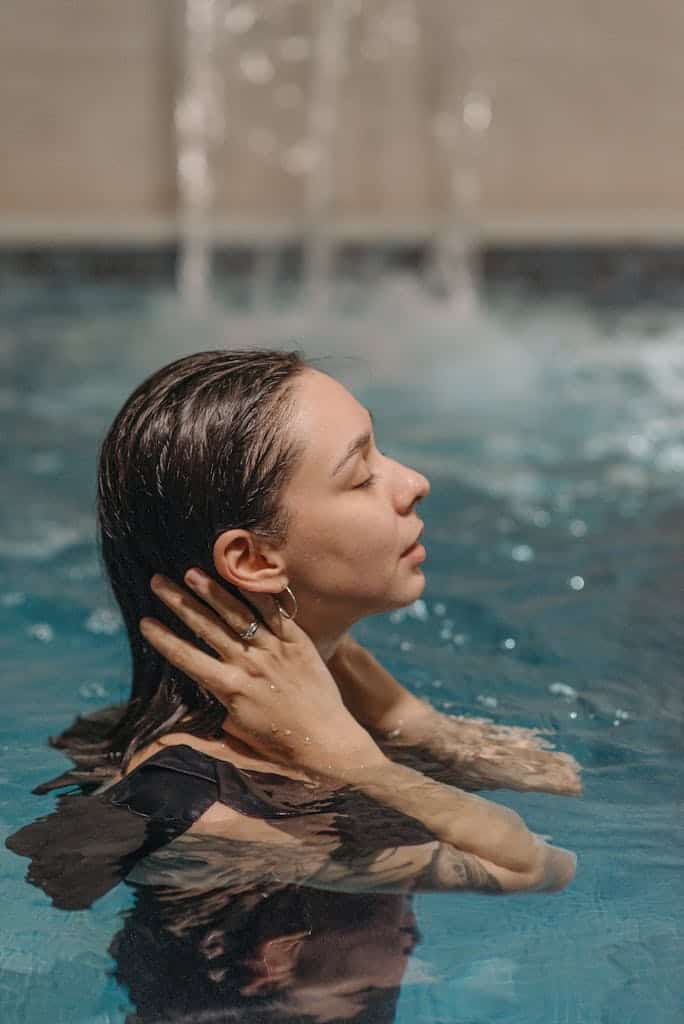
When you take a cold plunge, your body undergoes remarkable physiological changes. The sudden temperature drop triggers your sympathetic nervous system, releasing a cascade of hormones including norepinephrine and endorphins. This natural response doesn’t just wake you up – it sets off a chain reaction of health benefits throughout your entire system.
According to research from the Huberman Lab at Stanford, cold exposure can increase norepinephrine levels by 200-300%, which helps inhibit inflammatory cytokines and provides sustained mood benefits. A comprehensive review in PMC examined the various physiological effects of voluntary cold water exposure and documented the complex neurobiological responses that occur during plunge sessions.
Boost Your Mental Health and Mood
One of the most immediate cold plunge benefits is its impact on mental well-being. The shock of cold water stimulates the release of endorphins, your body’s natural “feel-good” chemicals. Many plunge enthusiasts report feeling euphoric and energized after their icy dip, with effects lasting hours or even days.
Research suggests that consistent cold plunge sessions may help reduce symptoms of depression and anxiety. A groundbreaking study published in Biology found that participants felt more active, alert, attentive, proud, and inspired after just 5 minutes of cold water immersion. The practice teaches your body to adapt to stress more effectively, building mental resilience that extends far beyond your time in the water.
Strengthen Your Immune System
Regular plunge sessions appear to give your immune system a significant boost. Studies show that people have higher levels of white blood cells and other immune markers. The stress response triggered by cold exposure helps train your immune system to respond more efficiently to various challenges.
A comprehensive study in Science Direct demonstrated that regular cold shower exposure enhanced both humoral and cell-mediated immunity through upregulation of immunoglobulins and key cytokines. Additional research published in PubMed found that repeated cold water immersions activated the immune system and increased various immune cell populations. Perhaps most impressive, a large study of over 3,000 participants showed that people who ended their daily shower with cold water had 29% fewer sick days from work.
Enhance Athletic Performance and Recovery
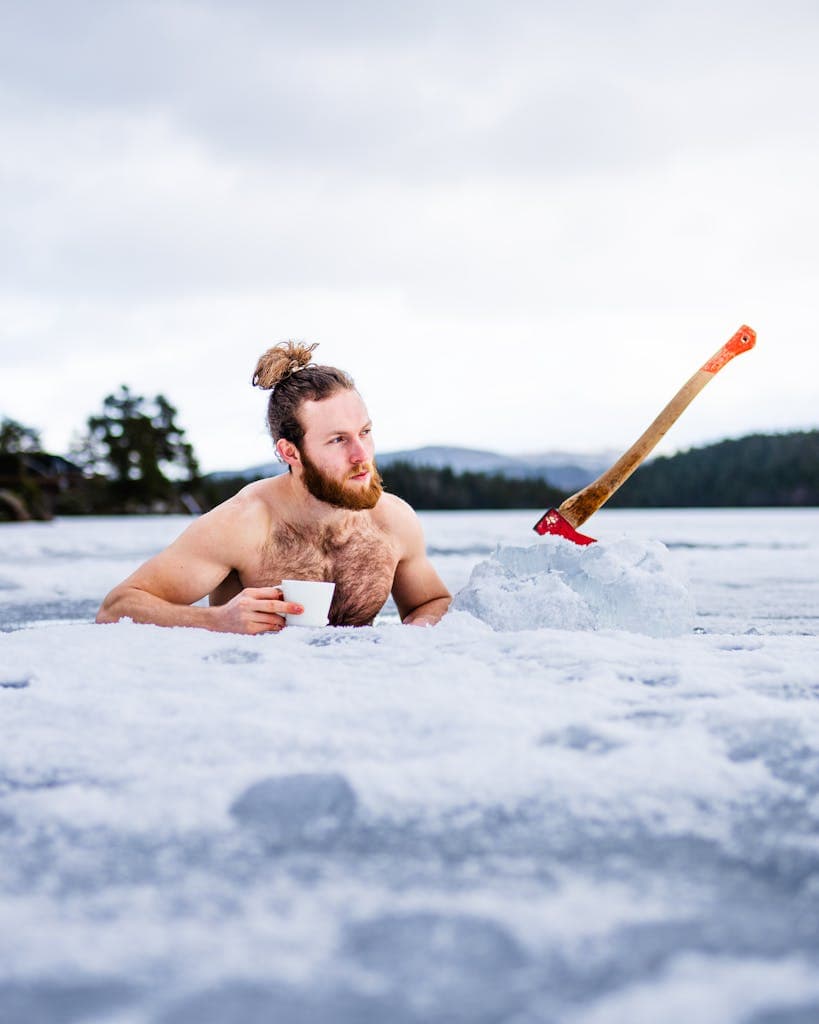
Athletes have long used cold plunge therapy for recovery, and there’s solid science behind this practice. A plunge reduces inflammation, decreases muscle soreness, and speeds up recovery time between workouts. It also improves circulation, helping deliver nutrients to muscles more effectively.
Research from the Mayo Clinic Health System confirms that cold water immersion helps reduce exercise-induced muscle damage and inflammation. A systematic review in PLOS One analyzing multiple studies found that cold water immersion demonstrated positive outcomes for muscle power, perceived recovery, and decreased muscle soreness.
If you’re looking to enhance your physical performance, adding plunge sessions to your routine might give you that extra edge. The practice can increase your pain tolerance and mental toughness, qualities that translate directly to athletic performance.
Improve Sleep Quality
While it might seem counterintuitive, regular cold plunge practice can actually improve your sleep. A plunge helps regulate your circadian rhythm and can lead to deeper, more restorative sleep patterns. Many people find that their evening cold plunge helps them wind down and prepare for better rest.
Research from UCLA Health indicates that cold therapy can improve circulation and help the body’s natural temperature regulation, which plays a crucial role in healthy sleep cycles.
Cardiovascular Benefits
Your heart gets a workout during a cold plunge too. The initial shock causes blood vessels to constrict, then dilate as your body warms up. This process acts like a natural cardiovascular exercise, potentially improving heart health and circulation over time.
Getting Started Safely
If you’re new to cold immersion therapy, start slowly and build up gradually. Begin with cold showers, then progress to brief plunge sessions. Always listen to your body and never push beyond your limits. People with certain health conditions should consult their healthcare provider before beginning any cold plunge routine.
Safety experts from the University of Utah Health recommend water temperatures between 55-69°F for safe cold plunge practice. The American Heart Association warns that people with cardiovascular conditions should exercise particular caution and consult their physician before beginning cold plunge therapy.
Consider starting with just 30 seconds to 1 minute of cold plunge exposure, then gradually increase the duration as your body adapts. The key is consistency rather than duration – regular short cold plunge sessions are more beneficial than occasional long ones.
Making It a Sustainable Practice
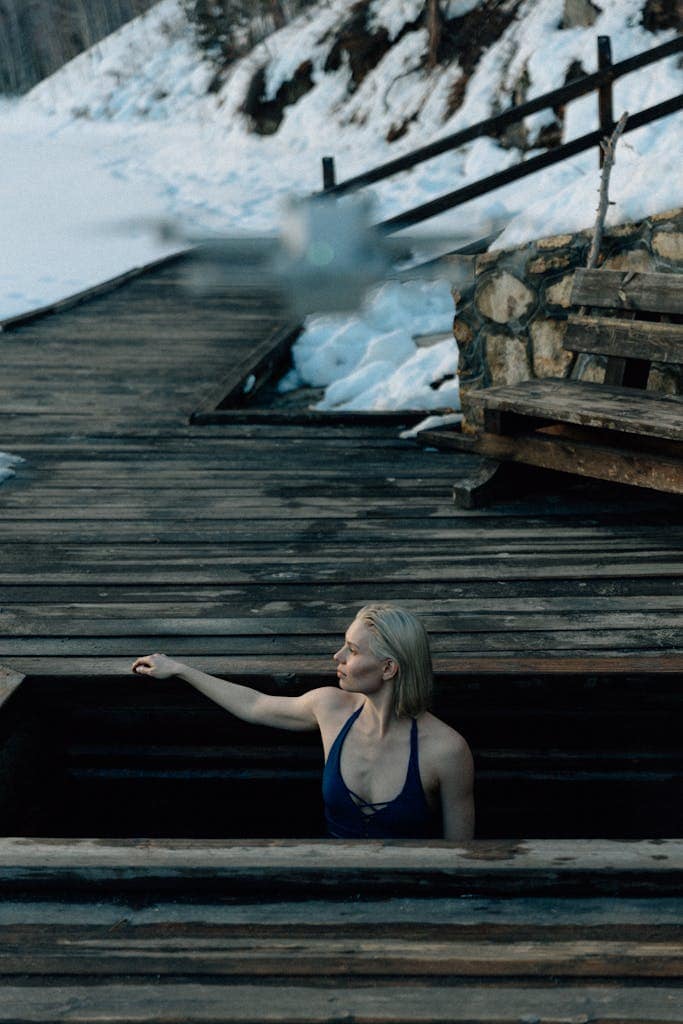
The beauty of cold plunge therapy lies in its simplicity and accessibility. You don’t need expensive equipment or a gym membership. A cold shower, local lake, or even a kiddie pool filled with cold water and ice can serve as your introduction to this invigorating cold plunge practice.
Many people find that having a cold plunge routine helps maintain consistency. Whether it’s a morning cold plunge to start your day or an evening session to unwind, finding a time that works for your schedule increases your chances of sticking with it.
The Bottom Line
A cold plunge offers a unique combination of physical and mental benefits that few other practices can match. From boosting mood and immunity to enhancing recovery and sleep, the advantages of regular cold plunge sessions are backed by both science and centuries of human experience.
While the initial cold plunge shock might be uncomfortable, most people find that the benefits far outweigh the temporary discomfort. As with any wellness practice, consistency is key, and the cold plunge rewards tend to compound over time.
Ready to take your first cold plunge? Start small, stay safe, and prepare to discover what this ancient practice can do for your modern life. Your body and mind just might thank you for the chilly challenge.
Looking to buy a cold plunge tub for your home? Check out the complete guide here!
About the Author

Steph Swarts, RMT, CNP
Steph Swarts is a registered massage therapist and certified naturopathy practitioner with 17+ years of clinical experience helping clients optimize their health through evidence-based supplementation and holistic wellness strategies.
Professional Credentials:
- Registered Massage Therapist (RMT) – Licensed in Ontario, Canada
- Certified Naturopathic Practitioner (CNP)
- Raindrop Technique Practitioner (RTP)
- 17+ years in clinical practice
- Specialized training in Prenatal Massage Therapy
Clinical Expertise:
“As a healthcare professional with naturopathic training, I evaluate supplements using the same rigorous standards I apply in client care. My recommendations prioritize:
✅ Safety: Thorough evaluation of quality and purity
✅ Evidence: Backed by peer-reviewed research
✅ Clinical relevance: Real-world effectiveness for performance and recovery
✅ Professional standards: Third-party testing and manufacturing quality
Over 17+ years, I’ve guided hundreds of clients through their health journey, injury recovery, and overall wellness. Every recommendation reflects my professional commitment to evidence-based natural health.
Professional Memberships:
- Registered Massage Therapist with CMTO
- Member of RMTAO
- Certified Naturopathy Practitioner with NCCAP, CPD, and CMA
- Raindrop Technique Practitioner with Institute Of Energy Wellness Studies
📧 Contact: [email protected]
🌐 Website: www.stephswarts.com
📱 Social: https://www.facebook.com/StephanieJSwarts
Professional Disclaimer: Information provided is for educational purposes based on clinical expertise and current research. This does not replace individualized medical advice. Consult your healthcare provider before starting any supplement regimen, especially if you have pre-existing conditions or take medications.