
A proper understanding of carbohydrates is at the heart of carbohydrates for optimal body composition and all-day vitality. This comprehensive guide explores how starches and complex sugars in plant-based eating can become your most powerful tools for maintaining a healthy weight while providing the consistent energy your body craves.
The 7 Essential Carbohydrate Strategies
Before diving into the details, here are the seven essential strategies this guide covers for mastering carbohydrates in your plant-based diet:
- Prioritize Wet Starches for Weight Management – Focus on water-rich options like potatoes, cooked grains, and legume-based soups for maximum satiety with fewer calories per volume.
- Follow the McDougall Starch-Based Approach for Sustained Energy – Make starches 70-80% of your daily calories using whole, unprocessed sources that fuel your body efficiently without weight gain.
- Master Macronutrient Balance for Optimal Body Composition – Structure meals to achieve 70-75% carbohydrates, 12-15% protein, and 10-15% healthy fats for natural weight regulation and consistent energy.
- Time Your Intake for Peak Performance – Distribute these nutrients throughout the day to maintain steady energy levels, fuel workouts, and prevent energy crashes that lead to overeating.
- Choose Complex Options for Appetite Control – Emphasize whole grains, legumes, and vegetables that provide lasting fullness and prevent the hunger cycles associated with processed foods.
- Plan Starch-Rich Meals for Consistent Results – Use systematic meal planning and batch cooking to maintain steady energy and avoid impulsive food choices that sabotage weight goals.
- Gradually Increase Fiber-Rich Foods for Long-Term Success – Transition slowly to higher intake to optimize digestion and ensure sustainable weight management practices.
Understanding Carbohydrates for Weight Management and Energy
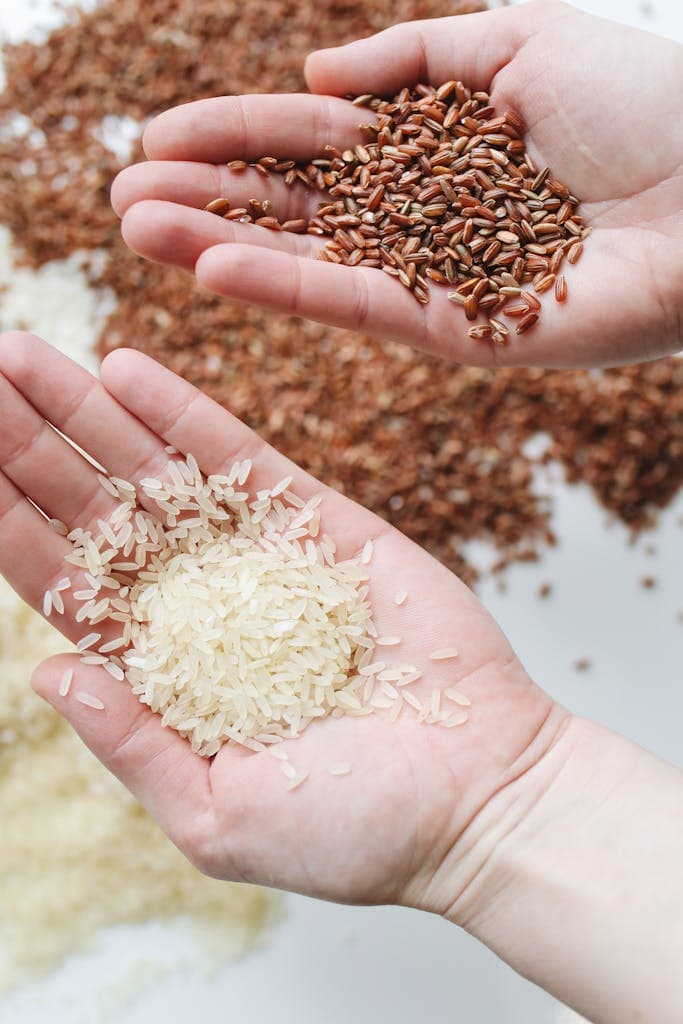
These nutrients serve as the primary fuel source for our bodies, particularly our brains and muscles, making them essential for sustained energy throughout the day. In plant-based diets focused on healthy weight management, starches and complex sugars become the cornerstone of success, providing the volume and satisfaction needed to maintain a healthy weight without feeling deprived or experiencing energy crashes.
The secret to using these foods for weight management lies in understanding caloric density. Whole food sources like legumes, whole grains, vegetables, and fruits are naturally low in calories per volume while being high in fiber and water content. This combination creates powerful satiety signals that help regulate appetite naturally, making it easier to maintain a healthy weight without counting calories or restricting portions.
Complex forms provide steady blood sugar levels that prevent the energy rollercoaster associated with processed foods. When your energy remains stable throughout the day, you’re less likely to experience intense cravings or make impulsive food choices that derail weight management goals. This stable energy also supports consistent physical activity, which further enhances weight management efforts.
The Dr. McDougall Approach: Starches for Natural Weight Control
Dr. John McDougall, a pioneering physician in plant-based nutrition, advocates for a starch-based diet approach that revolutionizes weight management through these essential nutrients. The McDougall Program centers around the concept that starchy foods should comprise the bulk of daily calories, typically 70-80% of total caloric intake, creating a natural pathway to healthy weight maintenance and abundant energy.
According to Dr. McDougall’s research and clinical experience, populations throughout history that consumed starch-based diets demonstrated not only remarkable health and longevity but also natural weight regulation without the obesity epidemics seen in modern Western societies. His approach emphasizes whole, unprocessed sources while minimizing added fats and oils, creating an eating pattern that naturally supports healthy weight management.
The McDougall diet approach recognizes that starches provide clean-burning fuel for the body while supporting optimal metabolic function and weight regulation. This approach challenges conventional low-carbohydrate thinking by demonstrating that the right types of these foods can actually promote weight loss and sustained energy levels. Thousands of patients have successfully achieved their weight goals while experiencing increased energy and vitality through this starch-focused methodology.
Wet Starches vs. Dry Starches: Understanding the Difference
An important distinction in starch-based eating involves understanding the difference between wet starches and dry starches. This classification affects digestion, satiety, and overall nutritional impact.
Wet Starches

Wet starches are carbohydrates that naturally contain high water content or are prepared with significant amounts of water. These include:
- Potatoes (all varieties)
- Sweet potatoes and yams
- Winter squashes (butternut, acorn, delicata)
- Cooked grains like rice, quinoa, and oats
- Legumes prepared as soups or stews
Wet starches offer exceptional advantages for weight management and sustained energy in a plant-based diet. Their high water content increases satiety while providing fewer calories per volume, making them the ideal choice for those seeking to maintain a healthy weight without feeling restricted. The water content also aids in digestion and helps maintain proper hydration levels throughout the day, supporting optimal energy production at the cellular level.
When you fill your plate with wet starches, you naturally consume fewer calories while feeling completely satisfied. A large baked potato with steamed vegetables, for example, provides substantial volume and satisfaction with relatively few calories, creating the perfect conditions for natural weight management. The fiber in these foods also slows digestion, providing steady energy release that prevents the energy crashes associated with processed foods.
Dry Starches

Dry starches are carbohydrates with lower water content, often consumed in more concentrated forms:
- Bread and baked goods
- Crackers and cereals
- Pasta (though it absorbs water during cooking)
- Dried fruits
- Nuts and seeds (though these are primarily fat sources)
While dry starches can be part of a healthy plant-based diet, they require more mindful consumption for optimal weight management and energy stability. Their concentrated nature makes it easier to overconsume calories, and they may not provide the same satiety signals as wet starches. However, when balanced properly with plenty of vegetables and wet starches, dry starches can contribute to satisfying meals without compromising weight management goals.
The key to incorporating dry starches successfully lies in portion awareness and combination with high-water, high-fiber foods. A small serving of whole grain bread paired with a large salad and vegetable soup, for example, provides satisfaction and sustained energy while maintaining the caloric balance necessary for healthy weight management.
Macronutrient Balance for Optimal Weight and Energy Management
Achieving proper macronutrient balance while emphasizing these nutrients creates the ideal conditions for both healthy weight maintenance and sustained energy levels. A well-designed plant-based diet typically derives 70-80% of calories from carbohydrates, 10-15% from protein, and 10-15% from healthy fats, creating a natural framework for weight regulation without restrictive calorie counting.
This macronutrient distribution supports weight management by emphasizing the least calorie-dense macronutrient while ensuring adequate protein for muscle maintenance and healthy fats for hormone production and nutrient absorption. Plant-based protein sources often come packaged with starchy components, making it easier to meet both macronutrient needs simultaneously while supporting lean muscle mass that boosts metabolism.
The key to macronutrient balance for weight and energy management lies in variety and whole food choices. By incorporating diverse sources throughout the day, you naturally obtain complementary amino acids, essential fatty acids, and a broad spectrum of vitamins and minerals that support optimal metabolism and sustained energy production.
Click here to read about Healthy Fat In A Plant-Based Diet!
Weight Management and Energy Benefits of Plant-Based Eating
Research consistently demonstrates that diets rich in complex starches from plant sources offer remarkable advantages for both weight management and energy optimization. These benefits extend far beyond basic nutrition, creating a sustainable approach to maintaining a healthy weight while experiencing consistent vitality throughout the day.
Natural Weight Regulation: Whole plant foods support healthy weight management through multiple mechanisms. The high fiber content creates lasting satiety with fewer calories, while the low caloric density allows for generous portions without weight gain. Studies show that people following high-carbohydrate, plant-based diets typically maintain lower body weights and have less difficulty with weight management compared to those following higher-fat approaches.
Sustained Energy Production: Complex forms provide the steady glucose supply that your brain and muscles need for optimal function. Unlike the energy crashes associated with high-fat or high-protein meals, starch-rich plant foods deliver consistent energy that supports both mental clarity and physical performance throughout the day.
Enhanced Metabolic Function: The thermic effect of processing whole foods actually burns calories during digestion, supporting healthy metabolism. Additionally, adequate intake supports thyroid function and maintains the metabolic rate necessary for healthy weight management.
Improved Exercise Performance: These nutrients serve as the preferred fuel for physical activity, supporting exercise performance that contributes to weight management and overall health. Well-fueled workouts become more enjoyable and effective, creating a positive cycle of activity and energy.
Strategic Timing for Weight and Energy Optimization

Optimizing intake involves not just selecting the right sources but also timing consumption strategically throughout the day for maximum weight management and energy benefits. Starting the day with energizing starches provides fuel for morning activities, jumpstarts metabolism, and helps establish stable blood sugar patterns that prevent energy crashes and subsequent overeating.
Pre-workout fuel enhances exercise performance and supports the calorie-burning activities essential for weight management. Post-workout nutrition helps replenish glycogen stores and supports muscle recovery when combined with plant-based proteins, maintaining the lean muscle mass crucial for healthy metabolism. Evening starches can promote relaxation and sleep quality, particularly when combined with foods rich in tryptophan, supporting the recovery processes that optimize weight management.
Consistent timing prevents the feast-or-famine cycle that often sabotages weight management efforts. When your body receives steady fuel throughout the day, it maintains stable energy levels and doesn’t trigger the conservation mechanisms that slow metabolism and increase fat storage.
7-Day Macronutrient-Balanced Plant-Based Meal Plan
This comprehensive meal plan emphasizes these essential nutrients while maintaining proper macronutrient balance for optimal weight management and sustained energy. Each day provides approximately 70-75% calories from carbohydrates, 12-15% from protein, and 10-15% from healthy fats, creating the ideal conditions for natural weight regulation and all-day vitality.
Day 1
Breakfast: Steel-cut oats topped with sliced banana, berries, and ground flaxseed. The oats provide sustained-release energy that fuels your morning while supporting stable levels and natural appetite regulation throughout the day.
Lunch: Quinoa Buddha bowl with roasted sweet potato, chickpeas, steamed broccoli, and tahini dressing. This combination delivers complete proteins alongside complex starches, creating lasting satiety that prevents afternoon energy crashes and snacking.
Dinner: Lentil and vegetable curry served over brown rice with steamed kale. The legumes provide protein-rich fuel while the rice offers additional starchy energy, creating a satisfying meal that supports evening relaxation and overnight recovery.
Snacks: Apple slices with almond butter, providing natural sugars balanced with healthy fats for sustained energy between meals without compromising weight management goals.
Day 2
Breakfast: Smoothie bowl made with frozen mango, spinach, banana, and plant milk, topped with granola and hemp seeds. This combination offers easily digestible carbohydrates with complete proteins.
Lunch: Black bean and sweet potato soup with whole grain crackers. The wet starch approach provides satiety while delivering substantial carbohydrate content.
Dinner: Spaghetti with marinara sauce loaded with vegetables, served with a side salad. The pasta provides concentrated carbohydrates while vegetables add fiber and nutrients.
Snacks: Dates stuffed with walnuts, combining natural carbohydrates with omega-3 fatty acids.
Day 3
Breakfast: Chia pudding made with plant milk, topped with fresh berries and maple syrup. The chia seeds provide omega-3s while the carbohydrates offer sustained energy.
Lunch: Baked potato topped with steamed broccoli and nutritional yeast. This wet starch approach maximizes satiety while providing B-vitamins and protein.
Dinner: Stir-fried vegetables with tofu served over jasmine rice. The combination provides complete proteins alongside easily digestible carbohydrates.
Snacks: Homemade trail mix with dried fruit and nuts, balancing natural carbohydrates with healthy fats.
Day 4
Breakfast: Whole grain toast topped with mashed avocado and sliced tomato. The bread provides carbohydrates while avocado adds healthy monounsaturated fats.
Lunch: Minestrone soup with white beans and vegetables, served with crusty bread. This wet starch preparation maximizes nutrient absorption and satiety.
Dinner: Stuffed bell peppers filled with quinoa, black beans, and vegetables. The combination provides complete proteins alongside complex carbohydrates.
Snacks: Fresh fruit salad with a sprinkle of coconut flakes, emphasizing natural carbohydrates with minimal added fats.
Day 5
Breakfast: Breakfast burrito with scrambled tofu, black beans, potatoes, and vegetables wrapped in a whole wheat tortilla. This combination provides protein-rich carbohydrates with satisfying texture.
Lunch: Mediterranean bowl with hummus, quinoa, cucumber, tomatoes, and olives. The legume-based carbohydrates provide sustained energy and complete proteins.
Dinner: Mushroom and barley stew with roasted root vegetables. The barley offers chewy texture and substantial carbohydrate content alongside immune-supporting mushrooms.
Snacks: Rice cakes topped with almond butter and banana slices, combining complex and simple carbohydrates with healthy fats.
Day 6
Breakfast: Acai bowl topped with granola, coconut, and fresh berries. The frozen fruit base provides antioxidant-rich carbohydrates while granola adds satisfying crunch.
Lunch: Split pea soup with carrots and celery, served with sourdough bread. This wet starch approach maximizes protein absorption while providing comforting carbohydrates.
Dinner: Eggplant and chickpea curry over basmati rice with naan bread. The legumes provide protein-rich carbohydrates while rice offers easily digestible starch.
Snacks: Energy balls made from dates, oats, and nut butter, providing concentrated carbohydrates with healthy fats and plant proteins.
Day 7
Breakfast: Pancakes made from oat flour topped with fresh fruit and maple syrup. The whole grain flour provides complex carbohydrates while fruit adds natural sweetness and vitamins.
Lunch: Falafel wrap with hummus and vegetables in a whole wheat tortilla. The chickpea-based falafel provides protein-rich carbohydrates alongside fresh vegetables.
Dinner: Ratatouille served over polenta with a side of garlic bread. The cornmeal-based polenta offers a creamy carbohydrate base for the vegetable medley.
Snacks: Dried fruit and nut mix, emphasizing natural carbohydrates balanced with plant-based proteins and healthy fats.
Click here to try some of Dr McDougall’s Famous Recipes!
Optimizing Intake for Weight and Energy Success
Successfully incorporating these nutrients into a plant-based diet for weight management and energy optimization requires attention to quality, variety, and preparation methods. Choose whole, minimally processed sources whenever possible, as these provide superior nutrition, better satiety, and more stable energy compared to refined alternatives.
Experiment with different cooking methods to maximize both nutrition and satisfaction while supporting your weight management goals. Roasting vegetables concentrates their natural sugars while developing complex flavors that increase meal satisfaction. Slow-cooking grains and legumes improves digestibility and allows for better nutrient absorption, supporting the metabolic processes essential for healthy weight maintenance.
Stay adequately hydrated when emphasizing starchy foods, particularly fiber-rich sources. Proper hydration supports optimal digestion, helps metabolize nutrients efficiently, and can prevent the digestive discomfort that might occur when increasing fiber consumption. Adequate water intake also supports energy production and can help distinguish between true hunger and thirst, supporting natural appetite regulation.
Addressing Common Concerns About Starches and Weight Management
Many people express concerns about consuming adequate protein on a starch-rich plant-based diet, particularly when weight management is a goal. However, most plant foods contain some protein, and combining different sources throughout the day easily meets protein requirements while supporting lean muscle mass. Legumes, quinoa, and other protein-rich options make meeting daily protein needs straightforward without compromising weight management objectives.
Energy levels consistently improve when these nutrients form the foundation of the diet, creating a positive cycle that supports active lifestyles and healthy weight maintenance. Unlike the energy crashes associated with high-fat or restrictive diets, complex forms provide steady, sustained energy that supports both physical and mental performance throughout the day, making it easier to maintain the active lifestyle that supports long-term weight management.
Weight gain concerns are often unfounded when focusing on whole food sources. The natural satiety signals provided by fiber-rich options, combined with their lower caloric density, actually support healthy weight management more effectively than restrictive approaches. Many people find they can eat larger, more satisfying portions while maintaining or achieving their ideal weight when these nutrients from whole plant foods form the foundation of their diet.
Conclusion
These essential nutrients represent the cornerstone of successful plant-based nutrition, providing the foundation for both healthy weight management and sustained energy levels. By understanding the differences between wet and dry starches, following evidence-based approaches like the McDougall program, and implementing strategic meal planning, anyone can harness the power of carbohydrates to achieve their ideal weight while experiencing consistent vitality throughout the day.
The seven-day meal plan provided demonstrates how satisfying and energizing it can be to create nutritionally complete meals that emphasize these foods while supporting natural weight regulation. With proper planning and preparation, a plant-based diet rich in quality starches and complex sugars becomes a sustainable lifestyle that supports not just your weight and energy goals, but also environmental sustainability and ethical food choices.
Remember that transitioning to a higher intake should be gradual, allowing your digestive system time to adapt to increased fiber consumption while your body learns to efficiently utilize these nutrients for both fuel and weight management. Focus on whole food sources, stay properly hydrated, and listen to your body’s hunger and satiety signals as you embrace this energizing and naturally weight-regulating way of eating.
References
- McDougall, J., & McDougall, M. (2012). The Starch Solution: Eat the Foods You Love, Regain Your Health, and Lose the Weight for Good! Rodale Books.
- Campbell, T. C., & Campbell, T. M. (2016). The China Study: The Most Comprehensive Study of Nutrition Ever Conducted and the Startling Implications for Diet, Weight Loss, and Long-Term Health (Revised and Expanded Edition). BenBella Books.
- Esselstyn, C. B. (2007). Prevent and Reverse Heart Disease: The Revolutionary, Scientifically Proven, Nutrition-Based Cure. Avery.
- Ornish, D., Scherwitz, L. W., Billings, J. H., et al. (1998). Intensive lifestyle changes for reversal of coronary heart disease. JAMA, 280(23), 2001-2007.
- Satija, A., Bhupathiraju, S. N., Spiegelman, D., et al. (2017). Healthful and unhealthful plant-based diets and the risk of coronary heart disease in US adults. Journal of the American College of Cardiology, 70(4), 411-422.
- McMacken, M., & Shah, S. (2017). A plant-based diet for the prevention and treatment of type 2 diabetes. Journal of Geriatric Cardiology, 14(5), 342-354.
- Barnard, N. D., Cohen, J., Jenkins, D. J., et al. (2006). A low-fat vegan diet improves glycemic control and cardiovascular risk factors in a randomized clinical trial in individuals with type 2 diabetes. Diabetes Care, 29(8), 1777-1783.
- Turner-McGrievy, G. M., Davison, C. R., Steinberg, D. M., et al. (2015). Comparative effectiveness of plant-based diets for weight loss: a randomized controlled trial of five different diets. Nutrition, 31(2), 350-358.
- Kahleova, H., Dort, S., Holubkov, R., et al. (2018). A plant-based high-carbohydrate, low-fat diet in overweight individuals in a 16-week randomized clinical trial: the role of carbohydrates. Nutrients, 10(9), 1302.
- Tuso, P. J., Ismail, M. H., Ha, B. P., et al. (2013). Nutritional update for physicians: plant-based diets. The Permanente Journal, 17(2), 61-66.
- Winston, J. C. (2013). Health effects of vegan diets. The American Journal of Clinical Nutrition, 89(5), 1627S-1633S.
- Jenkins, D. J., Kendall, C. W., Marchie, A., et al. (2003). Effects of a dietary portfolio of cholesterol-lowering foods vs lovastatin on serum lipids and C-reactive protein. JAMA, 290(4), 502-510.
- Yokoyama, Y., Nishimura, K., Barnard, N. D., et al. (2014). Vegetarian diets and blood pressure: a meta-analysis. JAMA Internal Medicine, 174(4), 577-587.
- Glenn, A. J., Viguiliouk, E., Seider, M., et al. (2021). Relation of vegetarian dietary patterns with major cardiovascular outcomes: a systematic review and meta-analysis of prospective cohort studies. Frontiers in Nutrition, 8, 676859.
- Rizzo, N. S., Jaceldo-Siegl, K., Sabate, J., et al. (2013). Nutrient profiles of vegetarian and nonvegetarian dietary patterns. Journal of the Academy of Nutrition and Dietetics, 113(12), 1610-1619.
About the Author

Steph Swarts, RMT, CNP
Steph Swarts is a registered massage therapist and certified naturopathy practitioner with 17+ years of clinical experience helping clients optimize their health through evidence-based supplementation and holistic wellness strategies.
Professional Credentials:
- Registered Massage Therapist (RMT) – Licensed in Ontario, Canada
- Certified Naturopathic Practitioner (CNP)
- Raindrop Technique Practitioner (RTP)
- 17+ years in clinical practice
- Specialized training in Prenatal Massage Therapy
Clinical Expertise:
“As a healthcare professional with naturopathic training, I evaluate supplements using the same rigorous standards I apply in client care. My recommendations prioritize:
✅ Safety: Thorough evaluation of quality and purity
✅ Evidence: Backed by peer-reviewed research
✅ Clinical relevance: Real-world effectiveness for performance and recovery
✅ Professional standards: Third-party testing and manufacturing quality
Over 17+ years, I’ve guided hundreds of clients through their health journey, injury recovery, and overall wellness. Every recommendation reflects my professional commitment to evidence-based natural health.
Professional Memberships:
- Registered Massage Therapist with CMTO
- Member of RMTAO
- Certified Naturopathy Practitioner with NCCAP, CPD, and CMA
- Raindrop Technique Practitioner with Institute Of Energy Wellness Studies
📧 Contact: [email protected]
🌐 Website: www.stephswarts.com
📱 Social: https://www.facebook.com/StephanieJSwarts
Professional Disclaimer: Information provided is for educational purposes based on clinical expertise and current research. This does not replace individualized medical advice. Consult your healthcare provider before starting any supplement regimen, especially if you have pre-existing conditions or take medications.


