**By Steph Swarts, RMT, CNP** *Registered Massage Therapist | Certified Naturopathy Practitioner* 📅 Last Updated: January 19, 2026 ✅ Evidence-based recommendations from a licensed healthcare professional
Figuring out how to balance estrogen naturally can feel overwhelming at first. Many women walk around feeling completely off without understanding that hormonal imbalances might be the root cause. Your estrogen levels may affect way more than just your menstrual cycle – we’re talking potential mood swings, weight changes, sleep issues, brain fog, and even skin health.
The reality is, most people are exposed to hormone disruptors every day, from plastics to chronic stress. But here’s the encouraging part: you don’t need to overhaul your entire life overnight. Small, consistent changes often work better when trying to balance estrogen naturally.
Understanding What’s Really Going On With Your Hormones
First things first – estrogen isn’t the enemy. The body needs it for bone density, heart health, skin elasticity, and reproductive function. The problem may happen when estrogen gets too high relative to progesterone (sometimes called estrogen dominance in functional medicine), or when it drops too low.
What practitioners often refer to as “estrogen dominance” is more common than most people realize, though it’s worth noting this isn’t an official medical diagnosis but rather a term used in integrative medicine. Common signs include heavy periods, fibrocystic breasts, mood swings, stubborn weight gain, or constant bloating. Low estrogen may show up as hot flashes, night sweats, vaginal dryness, and brain fog.
Foods That May Help Make a Difference
What you eat appears to directly impact how your body produces, uses, and eliminates estrogen. Let’s look at the foods that research suggests may be most helpful when you’re learning how to balance estrogen naturally.
Cruciferous vegetables are often recommended as helpful for hormone support. Broccoli, cauliflower, Brussels sprouts, kale, and cabbage contain compounds called indole-3-carbinol and DIM (diindolylmethane) that may help the liver metabolize estrogen into less harmful forms. Many practitioners recommend at least one serving daily.
Fiber appears crucial when trying to balance estrogen naturally. The body eliminates used estrogen through the digestive system, but constipation may lead to estrogen reabsorption. Many experts suggest aiming for at least 25-30 grams of fiber daily from sources like ground flaxseeds, chia seeds, beans, lentils, and whole grains.
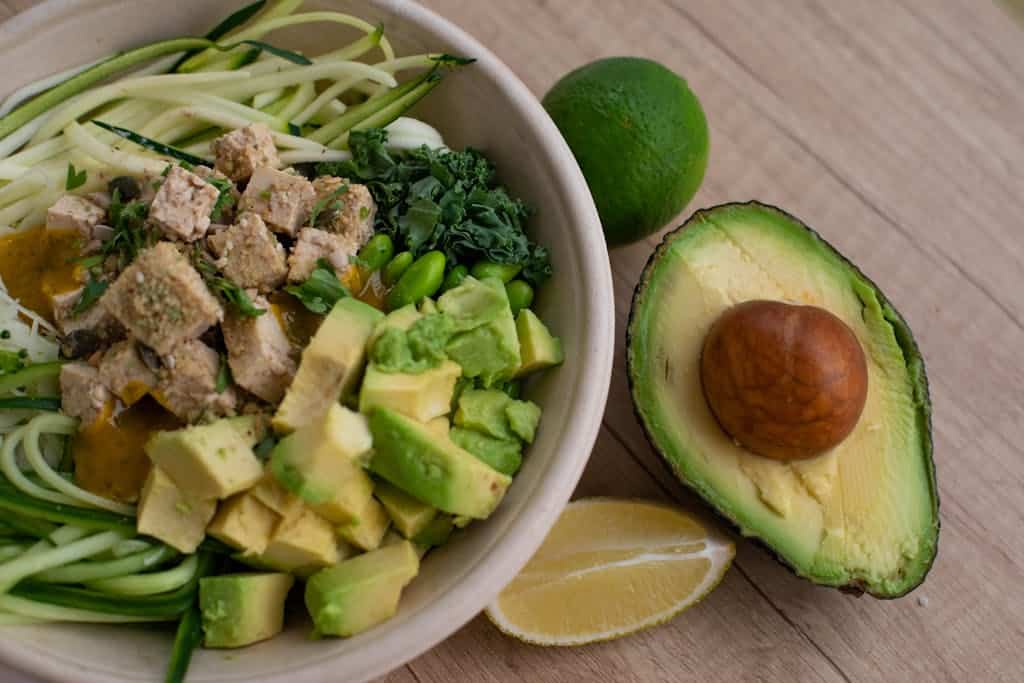
Healthy fats play an important role in hormone production. Hormones are made from cholesterol and fatty acids, so extremely low-fat diets may interfere with hormone balance. Research suggests the body needs omega-3s from wild-caught salmon, sardines, and walnuts, plus monounsaturated fats from avocados and olive oil.
Probiotic-rich foods might help maintain a healthy gut microbiome, which emerging research suggests is important for estrogen metabolism. There’s a collection of bacteria in the gut called the estrobolome that appears to regulate estrogen levels. Fermented foods like sauerkraut, kimchi, kefir, and yogurt are good options.
Many practitioners suggest limiting processed foods, excess alcohol, conventional dairy (which may contain added hormones), and non-organic produce that could be loaded with pesticides that act as xenoestrogens.
Lifestyle Changes That May Support Hormone Balance
Exercise seems to matter for hormone balance, but hours of intense cardio may actually stress the body and potentially worsen hormone imbalances. What appears to work better? A mix of moderate strength training (2-3 times per week) and walking or gentle movement most days.
Sleep is probably the most underrated factor in hormone balance. When sleep is poor, research shows the body produces more cortisol (stress hormone), which may interfere with progesterone production. Aim for 7-9 hours in a cool, dark room.
Managing stress isn’t just about feeling calmer – chronic stress appears to shift hormone production. The body may prioritize making cortisol over reproductive hormones. Deep breathing, meditation, spending time in nature, and setting boundaries all may help balance estrogen naturally by potentially reducing cortisol levels.
The Environmental Toxin Problem
Research shows we’re exposed to endocrine-disrupting chemicals (EDCs) constantly. BPA in plastics and receipts, phthalates in fragrances and personal care products, parabens in cosmetics, pesticides in food – studies suggest they may mimic estrogen in the body.
Strategic swaps can help reduce exposure when you’re working to balance estrogen naturally: switch to glass or stainless steel food storage, choose personal care products without synthetic fragrances, buy organic when possible (especially for the “Dirty Dozen” produce), and use natural cleaning products.
The Environmental Working Group’s website (ewg.org) offers a database where you can look up products and see their safety ratings.

Supplements and Herbs Worth Considering
While a food-first approach is ideal, supplements might help bridge the gap. Always consult with a qualified healthcare provider before starting any supplement regimen.
DIM (typically 100-200mg daily) is often used to support healthy estrogen metabolism. Calcium D-Glucarate(commonly 500-1000mg daily) may help the body eliminate used estrogen. Magnesium glycinate (often 300-400mg at night) might support both sleep and hormone production.
Vitamin B6 is thought to be important for progesterone production – some practitioners recommend around 50-100mg daily. For adaptogens, maca root is sometimes used to help balance hormones overall (often started at 1-3 grams daily), while ashwagandha (typically 300-500mg) may help manage stress hormones. Chasteberry (Vitex) is commonly recommended for supporting progesterone production, but practitioners note it usually takes about 3 months to see potential effects.
A common mistake is starting multiple supplements without addressing diet and lifestyle first, or without proper testing.
The Testing and Tracking Piece
Testing can provide concrete data about hormone levels. The DUTCH (Dried Urine Test for Comprehensive Hormones) test is often considered comprehensive because it shows not just hormone levels but also how the body metabolizes them.
For those without access to testing, tracking cycles and symptoms can reveal patterns. Note when you feel good, when symptoms worsen, dietary patterns, sleep quality, and stress levels.
Balancing Estrogen Through Different Life Stages
How to balance estrogen naturally may look different depending on life stage. In reproductive years (20s-40s), the focus is on supporting regular ovulation and maintaining estrogen-progesterone balance. During perimenopause (usually 40s), estrogen can swing wildly. Adaptogens, stress management, and blood sugar balance may become even more important. Post-menopause, estrogen drops significantly, making adrenal support and healthy body composition more critical.

Common Mistakes When Trying to Balance Estrogen Naturally
Expecting quick results: Hormones are slow to change. Most people need 3-6 months to see significant shifts. Patience and consistency are key.
Focusing only on lowering estrogen: Many practitioners emphasize the importance of supporting progesterone production simultaneously when trying to balance estrogen naturally.
Over-supplementing: More isn’t always better. Some supplements could actually worsen imbalances if they’re not appropriate for your specific situation.
Extreme dieting: Eating too few calories, cutting out entire food groups without good reason, or over-exercising may all stress the body and potentially make hormone imbalances worse.
When You Need Professional Help
Seek medical care if you experience very heavy bleeding, severe pain, bleeding between periods, or sudden dramatic changes in your cycle. These could indicate conditions like fibroids, endometriosis, or PCOS that need medical attention.
Finding a hormone-literate practitioner can make a huge difference. Look for functional medicine doctors, naturopathic doctors, or nurse practitioners who specialize in women’s health and understand how to balance estrogen naturally through both conventional and integrative approaches.
Sometimes natural approaches aren’t enough, and that’s completely acceptable. Bioidentical hormone therapy can be appropriate for some women, especially during perimenopause and menopause.
Quick Comparison: High vs. Low Estrogen Symptoms
You can scroll left and right to see all information in the table below:
| Symptom Category | High Estrogen (Dominance) | Low Estrogen | Balanced Estrogen |
|---|---|---|---|
| Menstrual Flow | May be heavy, prolonged | May be light, short | Regular, moderate flow |
| Cycle Length | Often irregular, sometimes shorter | May become irregular or stop | Typically 25-35 days |
| Mood | May include anxiety, irritability, mood swings | May include depression, low motivation | Generally stable, positive |
| Weight | Possible weight gain (hips, thighs, belly) | Possible difficulty maintaining weight | Healthy, stable weight |
| Sleep | Possible difficulty falling asleep, restless | May include night sweats, insomnia | Restful, 7-9 hours |
| Breast Changes | May be tender, swollen, fibrocystic | Possible loss of fullness | Normal, comfortable |
| Energy Levels | Possible fatigue despite rest | May include extreme fatigue | Consistent energy |
| Skin/Hair | May include acne, oily skin | May include dry skin, thinning hair | Clear skin, healthy hair |
| Libido | Possibly decreased sex drive | Very low or absent libido possible | Healthy sex drive |
| Cognitive Function | May include brain fog, forgetfulness | May include severe brain fog, memory issues | Clear thinking, good memory |
Note: These symptoms can vary greatly between individuals and may have multiple causes. Always consult a healthcare provider for proper diagnosis.
Frequently Asked Questions About Balancing Estrogen Naturally
Q: How long does it take to balance estrogen naturally?
A: Most people report noticing improvements within 6-8 weeks, but significant changes typically take 3-6 months. The body needs time to adjust to dietary and lifestyle changes, and individual timelines vary considerably.
Q: Can you balance estrogen naturally without supplements?
A: Many people find that diet, lifestyle, stress management, and reducing environmental toxin exposure make a significant difference on their own. It’s generally recommended to focus on eating cruciferous vegetables, getting enough fiber, managing stress, and sleeping well first before adding supplements.
Q: What’s the fastest way to lower estrogen dominance naturally?
A: There’s no safe “fast” way, but practitioners often recommend combining increased fiber intake, eating cruciferous vegetables daily, reducing alcohol, managing stress, and eliminating xenoestrogens. Adding DIM supplement (typically 100-200mg with practitioner guidance) might help support the process when you’re working to balance estrogen naturally.
Q: Can exercise help balance estrogen naturally?
A: Research suggests exercise can be helpful, but the type matters. Moderate strength training 2-3 times per week may help by improving insulin sensitivity and body composition. However, excessive high-intensity exercise might worsen hormone imbalances by increasing cortisol. Walking, stretching, and pilates are often recommended.
Q: What foods should I avoid if I have high estrogen?
A: Many practitioners suggest limiting alcohol, conventional dairy products, processed foods, excess sugar, non-organic produce (pesticides may act as xenoestrogens), and soy products if you notice sensitivity. However, it’s generally more helpful to focus on what to add (vegetables, fiber, healthy fats) rather than just restriction.
Q: Is it possible to have both high and low estrogen symptoms?
A: Yes, especially during perimenopause. Estrogen can fluctuate wildly – high at some points in the cycle, low at others. It’s also possible to have estrogen dominance (high estrogen relative to progesterone) while still having lower absolute estrogen levels.
Q: Do phytoestrogens make estrogen dominance worse?
A: Research suggests phytoestrogens from foods like flaxseeds, sesame seeds, and legumes may actually help balance estrogen naturally. Phytoestrogens are much weaker than the body’s own estrogen and may help modulate estrogen activity by competing for receptor sites.
Q: Can stress alone cause estrogen dominance?
A: Chronic stress appears to play a significant role. When stressed, the body produces more cortisol, which requires the same raw materials used to make progesterone. When progesterone drops but estrogen stays the same, relative estrogen dominance may develop even if estrogen levels aren’t particularly high.
Q: How do I know if my gut health is affecting my hormones?
A: Possible signs include digestive issues (bloating, constipation, diarrhea), skin problems, frequent infections, and hormone symptoms that persist despite lifestyle changes. Research shows gut bacteria (the estrobolome) play a role in estrogen metabolism.
Q: Should I avoid all plastics to balance estrogen naturally?
A: Perfection isn’t necessary, but strategic changes help. Never microwave food in plastic, avoid drinking from plastic water bottles (especially if they’ve been in heat), switch to glass food storage when possible, and minimize handling thermal receipts. These simple changes may significantly reduce BPA and phthalate exposure.
Moving Forward to Balance Estrogen Naturally
The journey to balance estrogen naturally isn’t always linear. There will likely be good weeks and challenging weeks. But when people commit to foundational practices – eating hormone-supportive foods, managing stress, prioritizing sleep, and reducing toxin exposure – the body often responds positively.
The body naturally strives for homeostasis. Sometimes it just needs the right support and fewer obstacles in the way. Start with one or two changes that feel manageable, stick with them for a month, then add more. This isn’t about perfection – it’s about progress and finding what works for each unique body.
If you’re struggling despite making changes, seeking help from healthcare practitioners is the appropriate next step. Sometimes testing is needed to understand what’s really happening, or additional support beyond natural methods may be necessary. The goal is feeling good in your body, whatever path achieves that – ideally with professional guidance to ensure safety and effectiveness.
Medical Disclaimer: This article is for informational purposes only and is not intended as medical advice. Always consult with a qualified healthcare provider before making changes to your health routine, especially if you have existing medical conditions or are taking medications.
About the Author

Steph Swarts, RMT, CNP
Steph Swarts is a registered massage therapist and certified naturopathy practitioner with 17+ years of clinical experience helping clients optimize their health through evidence-based supplementation and holistic wellness strategies.
Professional Credentials:
- Registered Massage Therapist (RMT) – Licensed in Ontario, Canada
- Certified Naturopathic Practitioner (CNP)
- Raindrop Technique Practitioner (RTP)
- 17+ years in clinical practice
- Specialized training in Prenatal Massage Therapy
Clinical Expertise:
“As a healthcare professional with naturopathic training, I evaluate supplements using the same rigorous standards I apply in client care. My recommendations prioritize:
✅ Safety: Thorough evaluation of quality and purity
✅ Evidence: Backed by peer-reviewed research
✅ Clinical relevance: Real-world effectiveness for performance and recovery
✅ Professional standards: Third-party testing and manufacturing quality
Over 17+ years, I’ve guided hundreds of clients through their health journey, injury recovery, and overall wellness. Every recommendation reflects my professional commitment to evidence-based natural health.
Professional Memberships:
- Registered Massage Therapist with CMTO
- Member of RMTAO
- Certified Naturopathy Practitioner with NCCAP, CPD, and CMA
- Raindrop Technique Practitioner with Institute Of Energy Wellness Studies
📧 Contact: [email protected]
🌐 Website: www.stephswarts.com
📱 Social: https://www.facebook.com/StephanieJSwarts
Professional Disclaimer: Information provided is for educational purposes based on clinical expertise and current research. This does not replace individualized medical advice. Consult your healthcare provider before starting any supplement regimen, especially if you have pre-existing conditions or take medications.