
**By Steph Swarts, RMT, CNP** *Registered Massage Therapist | Certified Naturopathic Practitioner* 📅 Last Updated: January 13, 2026 ✅ Evidence-based recommendations from a licensed healthcare professional
Look, I’m just gonna be real with you right off the bat. When I first started doing massage work, I thought I was invincible. I’d book back-to-back clients, use my thumbs for everything, and basically ignore every piece of advice about body mechanics. Within eighteen months, I was dealing with very alarming pain. That wake-up call compelled me to completely rethink my approach to this profession in order to avoid physical breakdown as a massage therapist and instead think about maintaining longevity.
The reality is sobering. According to 2025 industry data, the average career lifespan for a massage therapist is just 5-8 years due to physical burnout. Research shows that less than half (43%) have been in practice for more than 7 years, and between 50-88% burn out within 3-5 years. Even more concerning, 71.4% of massage therapists experience at least one work-related musculoskeletal disorder (WMSD) within 12 months, with the most common injuries affecting fingers/thumbs (50.3%), shoulders (31.7%), wrists (28.6%), and neck (25.5%).
The good news? You absolutely can avoid physical breakdown as a massage therapist if you’re willing to be proactive. With employment projected to grow 15% from 2024 to 2034 and median wages reaching $57,950, this is a thriving field worth protecting your body for. It requires treating injury prevention like the professional skill that it is.
Quick Comparison: Sustainable vs. Unsustainable Massage Practice
| Practice Area | ✅ Sustainable Practice | ❌ Unsustainable Practice |
|---|---|---|
| Weekly Hours | 15-25 hours hands-on work Recovery time built in |
30+ hours per week Back-to-back sessions |
| Daily Schedule | 2-4 clients per day 45-60 min buffers between sessions Varied modalities |
6-8 clients daily 15-min turnaround All deep tissue |
| Body Mechanics | Uses body weight & leg lunges Neutral spine & wrists Forearms/elbows for deep work |
Arm/hand strength only Hyperextended back Thumb overuse |
| Equipment | Electric lift table Anti-fatigue mats Assistive tools (T-bars, etc.) |
Fixed-height table Hard floors No tools |
| Self-Care | 15-min daily stretching 2x weekly strength training Receives bodywork every 2-3 weeks |
Occasional stretching No strength training Never receives massage |
| Nutrition Support | Adequate protein Creatine for recovery Anti-inflammatory diet |
Poor nutrition No supplementation Pro-inflammatory diet |
| Career Length | 15-30+ years Quality of life maintained |
5-8 years Forced early retirement |
💡 Tip: Save this chart and review it monthly to ensure your practice stays sustainable.
Master Your Body Mechanics
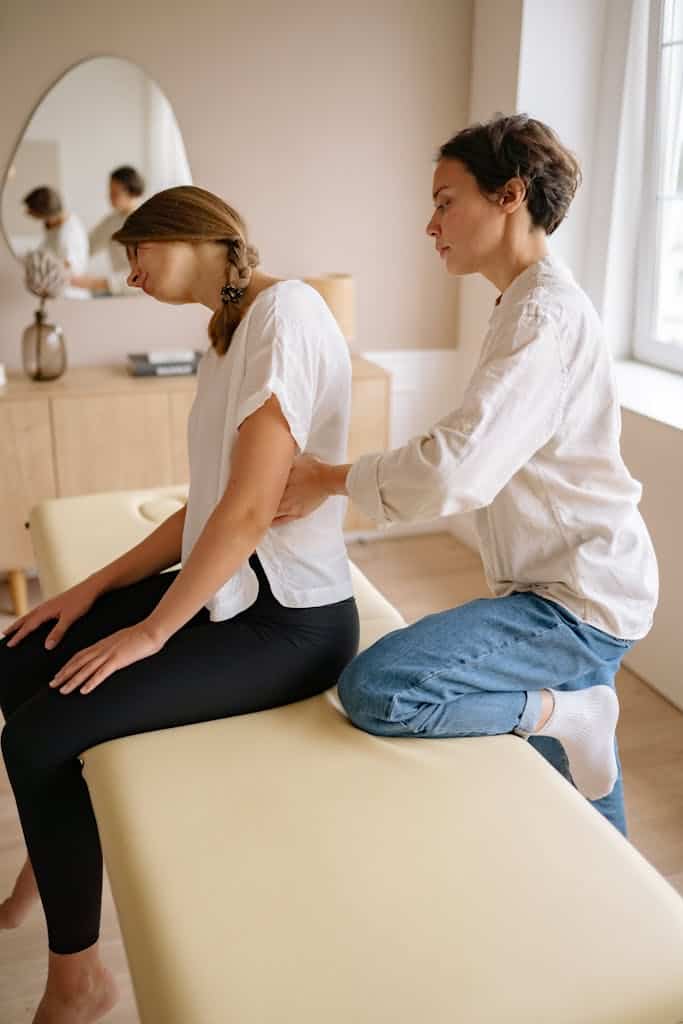
If you want to avoid physical breakdown as a massage therapist, mastering body mechanics is the foundation. 2024 research shows the highest injury risk occurs when treating the neck and legs, especially when therapists don’t change positions during strokes.
The biggest mistake? Relying on arm strength instead of your entire body. Your legs should do the work through lunges and weight shifts. Table height is critical—for Swedish work, set it at wrist level; for deep tissue, lower it to use body weight effectively. Practice proper hip hinging: bend at your hip joints while keeping your spine straight, like doing a deadlift.
Protect Your Hands and Wrists
With 50.3% of massage therapists reporting finger or thumb injuries, this is the single most common work-related injury. To avoid physical breakdown as a massage therapist, understand that your hands have limits.
Use your thumbs sparingly—only when truly needed. For sustained deep pressure, use forearms, elbows, or tools like T-bars and metal mushroom tools. When you do use hands, keep wrists neutral. Avoid “karate chop” positions with bent wrists. If you’re contorting your wrist, reposition your body instead.
Strengthen your hands with therapy putty, finger extensions with rubber bands, and grip strengtheners. But remember: exercise can’t overcome poor mechanics. You need both to avoid physical breakdown as a massage therapist long-term.
Create a Sustainable Schedule
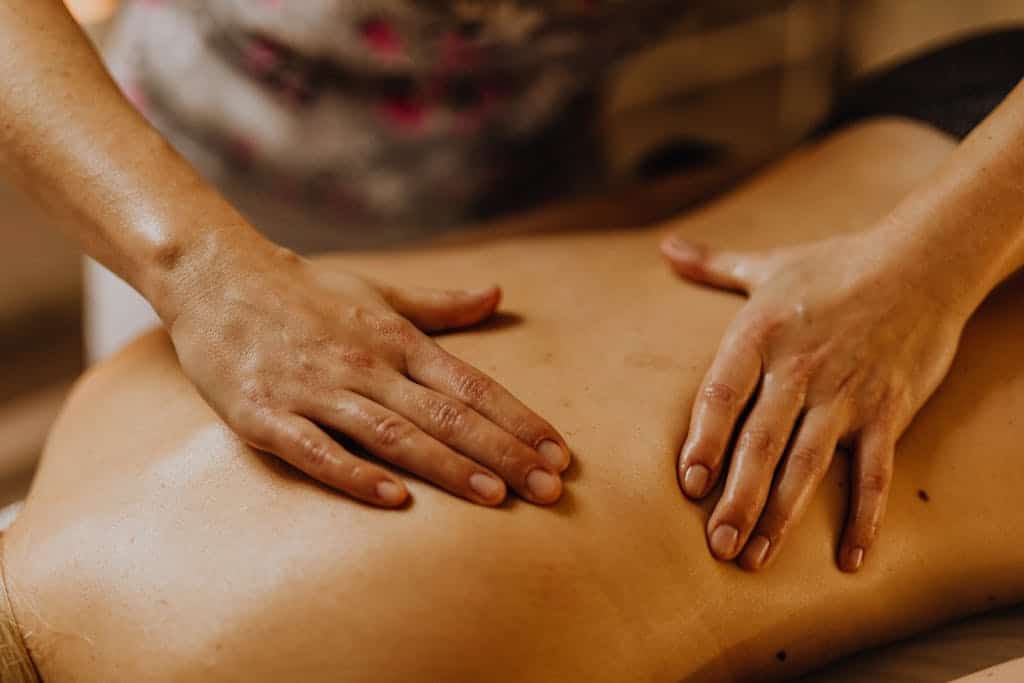
Research suggests 15-25 hours of hands-on work per week is sustainable. According to 2025 BLS data, only 27% work full-time, as most cannot perform massage 8 hours daily. If you’re doing 30+ hours weekly, you’re at high risk.
I limit myself to 2-3 clients daily, 3-4 days weekly, with 45 minutes between sessions. Alternate between modalities—prenatal, focused work, and gentle techniques. This buffer time isn’t laziness; it’s professional necessity. When constantly rushing, your body stays in stress mode, increasing injury risk.

Invest in Equipment and Nutrition
An electric lift table may be one of the best career investments. Being able to adjust height quickly truly helps avoid physical breakdown as a massage therapist. Quality anti-fatigue mats ($100-150) are non-negotiable—standing on hard floors destroys your feet, knees, and lower back.
Assistive tools like forearm bars, T-bars, and gua sha tools deliver the same therapeutic effect while saving your hands. I personally use OOFOS footwear and find them very comfortable to work in.
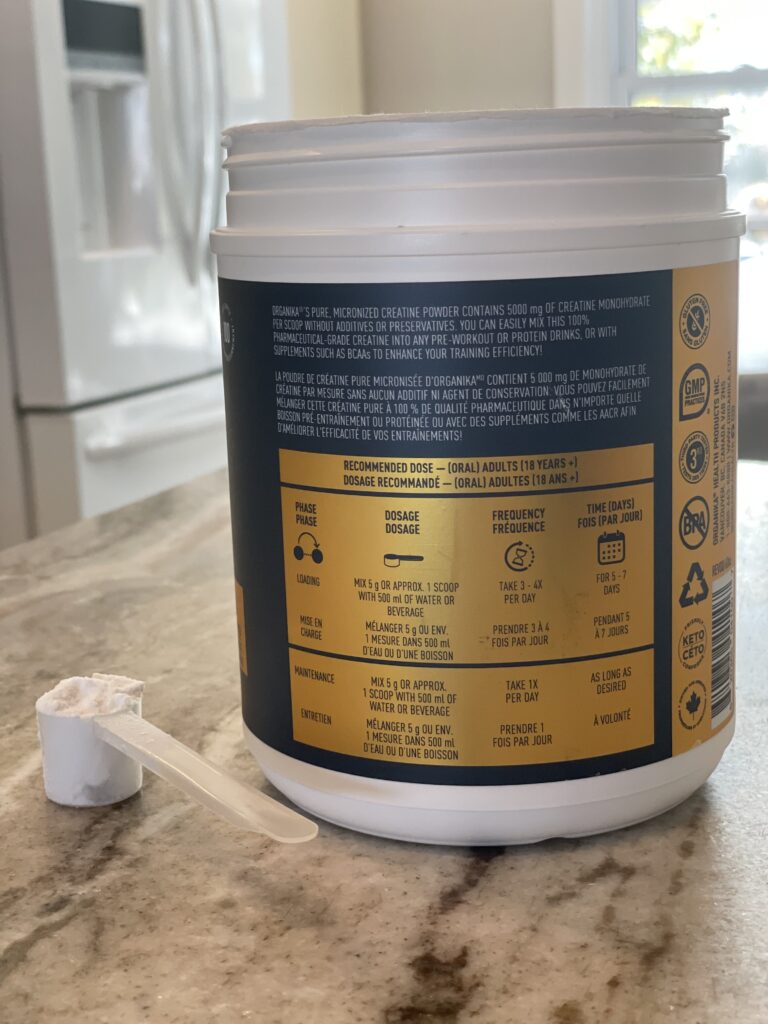
Nutrition plays an often-overlooked role. Adequate protein (0.8-1.0g per pound body weight) supports muscle repair. Anti-inflammatory foods help manage chronic inflammation. One supplement gaining attention is creatine—it helps with muscle recovery, reduces fatigue, and may protect against overuse injuries. Learn more about the best creatine supplements tested by a Registered Massage Therapist.
Self-Care Is Required, Not Optional
To avoid physical breakdown as a massage therapist, you need actual protocols. A 2022 survey found 60.3% attributed work-related pain to gradual musculoskeletal conditions, with 54.6% working while in pain.
My routine: 15-minute morning stretching (forearms, wrists, shoulders, hip flexors), post-work foam rolling, and twice-weekly resistance training (rows, light deadlifts, planks, rotator cuff work). I also receive bodywork every 2-3 weeks—this isn’t luxury, it’s professional maintenance that helps you avoid physical breakdown as a massage therapist.

Recognize Warning Signs Early
Research shows 88% report pain in at least one body part, with neck (69%), shoulders (55%), upper back (52%), and lower back (40%) most common. Warning signs include persistent soreness, morning stiffness, pain when not working, tingling or numbness, and decreased range of motion.
Don’t ignore these—19% have already cut back workload and 18% have considered leaving the profession. Early intervention is always easier than recovering from full-blown injury, which is essential to avoid physical breakdown as a massage therapist.
Diversify with Low-Impact Modalities
Expanding into gentler modalities helps avoid physical breakdown as a massage therapist. Craniosacral therapy uses extremely light touch (5 grams of pressure). Lymphatic drainage is similarly gentle. These are just as therapeutic while being easier on your body.
The variety itself is protective—rotating techniques distributes stress across different body parts. According to 2025 AMTA data, 62% receive massage for health/wellness, with soreness (35%) and pain management (20%) being top reasons. Strong demand exists for therapeutic work that doesn’t require maximum pressure.
Long-Term Career Planning
This is physically demanding work, and your body changes with age. With the industry reaching $18.9 billion in 2025 and growing 15% through 2034, expanding opportunities exist beyond hands-on work.
Smart therapists gradually shift—reducing to 15-20 hands-on hours after a decade while adding teaching, consulting, or management. Some move into low-impact specialties like oncology or prenatal massage. Others develop courses or educational content. Multiple income streams mean you’re not trapped doing work that destroys your body to pay bills.
Frequently Asked Questions
1. How many hours per week can a massage therapist safely work?
Research suggests 15-25 hours of hands-on massage work per week is sustainable. Working 30+ hours significantly increases injury risk. Only 27% of massage therapists work full-time (35+ hours including admin) according to 2025 data. To avoid physical breakdown as a massage therapist, prioritize quality over quantity.
2. What are the most common injuries massage therapists face?
71.4% experience at least one work-related musculoskeletal disorder within 12 months. Most common: finger/thumb issues (50.3%), neck pain (69.04%), shoulder problems (31.7-54.76%), lower back pain (40.48-56%), and wrist/hand pain (28.6-33.33%). Four out of ten have been diagnosed with a musculoskeletal disorder.
3. Should I completely avoid using my thumbs during massage?
Use thumbs sparingly and strategically. The thumb’s carpometacarpal joint is vulnerable to overuse. For sustained deep pressure, use forearms, elbows, or tools. Save thumbs for precision work where truly needed. This approach helps you avoid physical breakdown as a massage therapist while delivering effective treatments.
4. How can I tell if I’m developing a work-related injury?
Warning signs include persistent soreness that doesn’t improve with rest, morning stiffness, pain when not working, tingling/numbness, decreased grip strength, or limited range of motion. 60.3% of work-related pain develops gradually. Don’t ignore these signs—modify technique, reduce hours, and consult a healthcare professional before minor issues become career-ending.
5. What’s the average career length for massage therapists?
Average lifespan is 5-8 years, primarily due to physical burnout. Less than half (43%) stay in the profession beyond 7 years. However, therapists implementing preventive strategies often work 15-30+ years. Extend your career by mastering body mechanics, maintaining realistic scheduling (15-25 hours/week), investing in equipment, following daily self-care protocols, learning low-impact modalities, and planning career transitions.
Take Action Now
It’s exponentially easier to avoid physical breakdown as a massage therapist than recover from serious injury. Prevention is always more effective than rehabilitation.
Therapists with 20-40 year careers aren’t lucky—they’re intentional about body mechanics, invest in equipment, maintain realistic schedules, and treat self-care as professional requirement. They adjust before small problems become career-ending injuries. You don’t have to be perfect, but recognizing poor mechanics and course-correcting quickly is crucial to avoiding physical breakdown as a massage therapist.
⚠️ Affiliate Disclosure: This article could contain affiliate links to products I recommend. If you purchase through these links, I may earn a small commission at no additional cost to you. As a registered massage therapist with 17+ years of experience, I only recommend products I personally use or genuinely believe will benefit your health and wellness. All opinions and recommendations are based on my professional expertise and clinical experience.
Key Sources
Statistics verified from:
- U.S. Bureau of Labor Statistics (2025) – Employment projections & wage data
- Chang et al. (2006) – WMSD prevalence study, Journal of Occupational Rehabilitation
- Paanalahti et al. (2022) – Body area pain prevalence, Work
- Barraclough et al. (2022) – Canadian MT survey, Int. Journal of Therapeutic Massage & Bodywork
- Resnick (2024) – Ergonomic considerations, Int. Journal of Therapeutic Massage & Bodywork
- American Massage Therapy Association (2025) – Industry fact sheet
- Kennedy et al. (2016) – Career longevity research
Note: This article presents current evidence-based research. Individual experiences may vary. Consult healthcare professionals for personal medical advice.
About the Author

Steph Swarts, RMT, CNP
Steph Swarts is a registered massage therapist and certified naturopathy practitioner with 17+ years of clinical experience helping clients optimize their health through evidence-based supplementation and holistic wellness strategies.
Professional Credentials:
- Registered Massage Therapist (RMT) – Licensed in Ontario, Canada
- Certified Naturopathic Practitioner (CNP)
- Raindrop Technique Practitioner (RTP)
- 17+ years in clinical practice
- Specialized training in Prenatal Massage Therapy
Clinical Expertise:
“As a healthcare professional with naturopathic training, I evaluate supplements using the same rigorous standards I apply in client care. My recommendations prioritize:
✅ Safety: Thorough evaluation of quality and purity
✅ Evidence: Backed by peer-reviewed research
✅ Clinical relevance: Real-world effectiveness for performance and recovery
✅ Professional standards: Third-party testing and manufacturing quality
Over 17+ years, I’ve guided hundreds of clients through their health journey, injury recovery, and overall wellness. Every recommendation reflects my professional commitment to evidence-based natural health.
Professional Memberships:
- Registered Massage Therapist with CMTO
- Member of RMTAO
- Certified Naturopathy Practitioner with NCCAP, CPD, and CMA
- Raindrop Technique Practitioner with Institute Of Energy Wellness Studies
📧 Contact: [email protected]
🌐 Website: www.stephswarts.com
📱 Social: https://www.facebook.com/StephanieJSwarts
Professional Disclaimer: Information provided is for educational purposes based on clinical expertise and current research. This does not replace individualized medical advice. Consult your healthcare provider before starting any supplement regimen, especially if you have pre-existing conditions or take medications.


