
An athlete’s diet is the absolute core foundation for optimal performance. In recent years, elite athletes have discovered the incredible benefits of adopting a plant-based approach to their nutrition. A well-designed diet that emphasizes plant foods can provide all the necessary nutrients for peak performance, faster recovery, and long-term health benefits. Whether you’re a weekend warrior or a professional competitor, understanding how to optimize your diet with plant-based foods is crucial for achieving your athletic goals.
Why Plant-Based Nutrition Works for Athletes
The foundation of any successful athlete’s diet lies in providing adequate energy, supporting muscle recovery, and maintaining optimal health. Plant-based foods excel in all these areas by offering complex carbohydrates for sustained energy, high-quality proteins for muscle repair, and abundant antioxidants for reducing inflammation and supporting recovery.
Research consistently shows that athletes following a plant-based athlete’s diet experience improved cardiovascular health, better oxygen delivery to muscles, and reduced inflammation markers. These benefits translate directly into enhanced endurance, quicker recovery times, and sustained energy levels throughout training and competition.
Essential Components of a Plant-Based Athlete’s Diet
Protein Powerhouses
Contrary to common misconceptions, a plant-based athlete’s diet can easily meet and exceed protein requirements. The key is incorporating diverse protein sources throughout the day. Legumes like lentils, chickpeas, and black beans provide substantial protein along with fiber and complex carbohydrates. Quinoa stands out as a complete protein containing all essential amino acids, making it an ideal staple in any athlete’s diet.
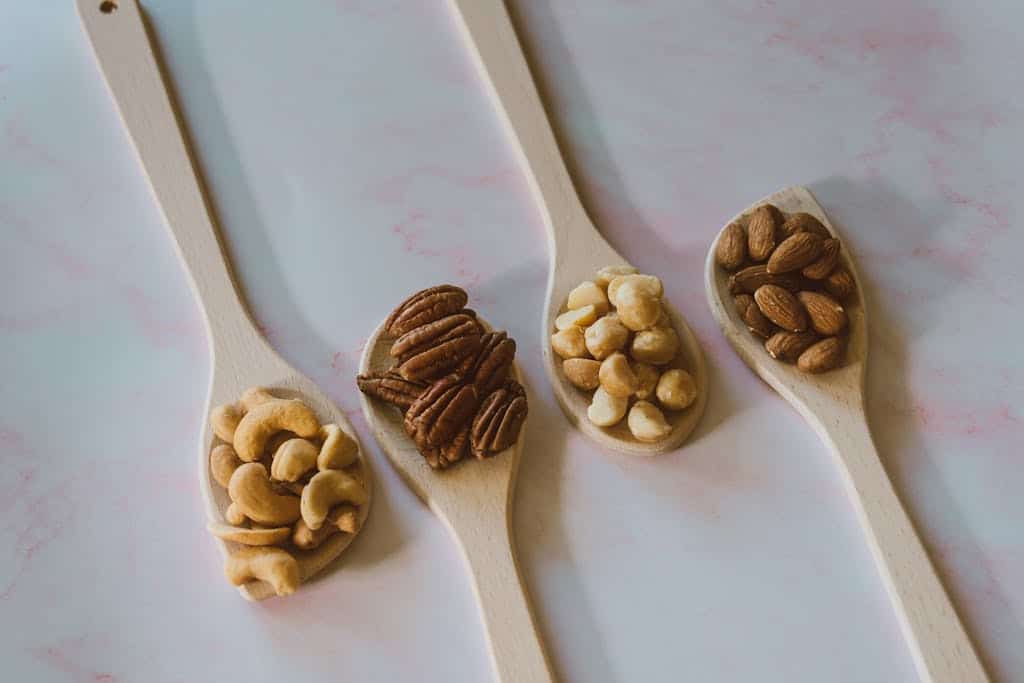
Nuts and seeds, including hemp hearts, chia seeds, and almonds, offer both protein and healthy fats essential for hormone production and nutrient absorption. Tofu, tempeh, and other soy products provide concentrated protein that’s easily digestible and versatile in meal preparation.
Carbohydrate Champions
Carbohydrates form the backbone of an effective athlete’s diet, providing the primary fuel source for high-intensity training and competition. Whole grains like oats, brown rice, and whole wheat pasta offer sustained energy release, preventing the energy crashes associated with refined carbohydrates.
Sweet potatoes, regular potatoes, and other starchy vegetables provide quick-digesting carbohydrates perfect for pre-workout fuel or post-workout recovery. Fruits offer natural sugars along with vitamins, minerals, and antioxidants that support overall health and performance.
Healthy Fat Sources
An optimal athlete’s diet includes adequate healthy fats for hormone production, nutrient absorption, and sustained energy during longer training sessions. Avocados provide monounsaturated fats along with potassium for proper muscle function. Nuts, seeds, and their butters offer omega-3 fatty acids crucial for reducing inflammation and supporting brain health.
Click here for a guide to getting fit with macro counting!
Daily Meal Structure for Plant-Based Athletes
Breakfast Foundation
Start your day with a nutrient-dense breakfast that sets the tone for your entire athlete’s diet. A smoothie bowl combining frozen berries, banana, plant milk, protein powder, and topped with granola, nuts, and seeds provides balanced macronutrients and sustained energy.
Alternatively, overnight oats with chia seeds, almond butter, and fresh fruit create a convenient, protein-rich breakfast that supports your athlete’s diet goals while requiring minimal morning preparation.
Pre-Workout Nutrition
Timing and composition of pre-workout meals significantly impact performance outcomes in any athlete’s diet. Consume easily digestible carbohydrates 30-60 minutes before training. A banana with a small amount of nut butter, dates stuffed with almond butter, or a small smoothie provides quick energy without causing digestive distress.
Post-Workout Recovery
The post-workout window represents a critical opportunity in your athlete’s diet to maximize recovery and adaptation. Within 30 minutes of completing training, consume a combination of carbohydrates and protein to replenish glycogen stores and initiate muscle repair.
A recovery smoothie with plant protein powder, banana, berries, and plant milk perfectly fits this requirement. Alternatively, chocolate plant milk with a handful of dates provides a convenient and effective recovery option that aligns with plant-based athlete’s diet principles.
Lunch and Dinner Balance
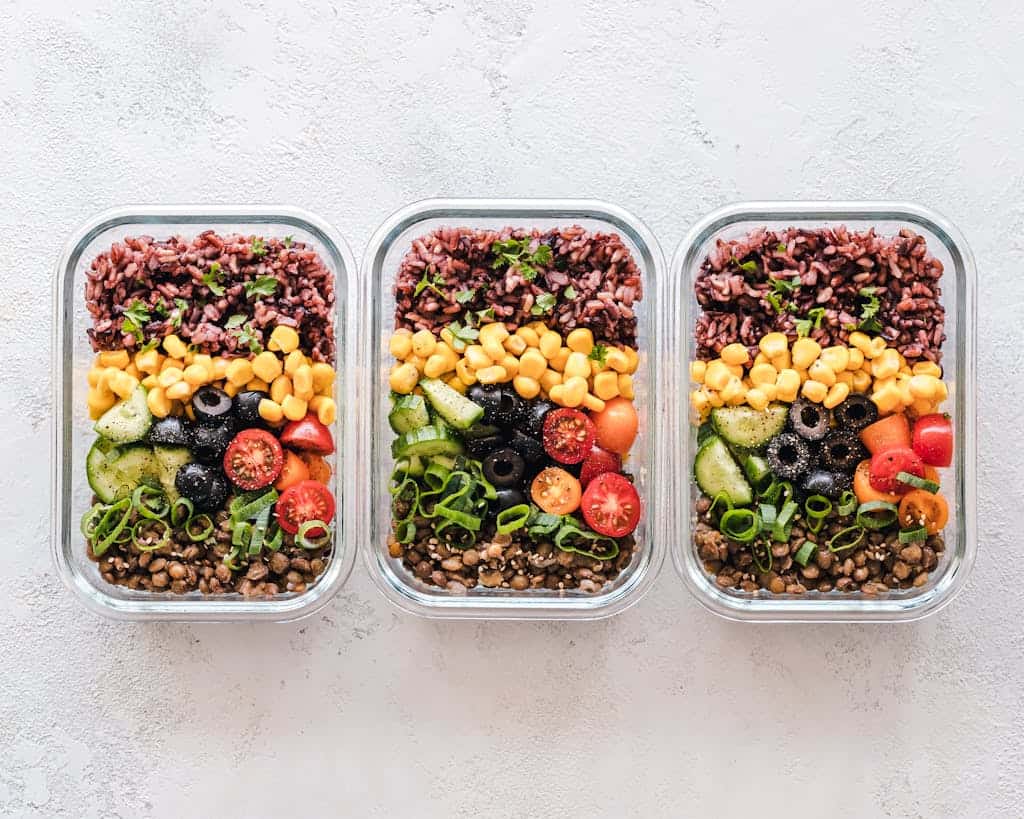
Main meals in a plant-based athlete’s diet should emphasize variety, nutrient density, and adequate caloric intake to support training demands. Build meals around a protein source like lentils, chickpeas, or tofu, add complex carbohydrates such as quinoa or sweet potatoes, and include plenty of colorful vegetables for micronutrients and antioxidants.
A power bowl combining quinoa, roasted vegetables, chickpeas, avocado, and tahini dressing exemplifies an ideal athlete’s diet meal that provides complete nutrition while supporting performance goals.
Hydration and Supplementation

Proper hydration forms an often-overlooked component of an effective athlete’s diet. Plant-based athletes should focus on consistent water intake throughout the day, increasing consumption around training sessions. Coconut water provides natural electrolytes for longer training sessions or hot weather conditions.
While a well-planned plant-based athlete’s diet can meet most nutritional needs, certain supplements may prove beneficial. Vitamin B12 supplementation is essential for all plant-based athletes, as this vitamin is primarily found in animal products. Creatine monohydrate, typically obtained from meat, can enhance power output and should be considered for athletes engaged in high-intensity training.
Sample Daily Menu
Breakfast: Green smoothie with spinach, banana, berries, plant protein powder, and almond milk, topped with granola and hemp hearts
Mid-Morning Snack: Apple slices with almond butter
Lunch: Quinoa bowl with roasted vegetables, black beans, avocado, and lemon-tahini dressing
Pre-Workout: Banana with Medjool dates
Post-Workout: Chocolate plant milk with protein powder
Dinner: Lentil and vegetable curry with brown rice and steamed broccoli
Evening Snack: Mixed nuts and dried fruit
Performance Benefits and Recovery

Athletes following a properly planned plant-based athlete’s diet often report improved energy levels, faster recovery between training sessions, and better overall well-being. The high antioxidant content of plant foods helps combat exercise-induced oxidative stress, potentially reducing muscle soreness and inflammation.
The fiber content in a plant-based athlete’s diet supports digestive health and helps maintain stable blood sugar levels, contributing to consistent energy throughout the day. Many athletes also experience improved sleep quality, which is crucial for recovery and performance.
Common Pitfalls to Avoid
While a plant-based athlete’s diet offers numerous benefits, certain pitfalls can compromise performance if not addressed properly. Inadequate caloric intake represents the most common mistake, as plant foods are generally less calorie-dense than animal products. Athletes must be intentional about consuming sufficient calories to support their training demands.
Another potential issue involves inadequate protein timing and distribution throughout the day. Rather than consuming large amounts of protein in one meal, spreading protein intake across all meals and snacks optimizes muscle protein synthesis and supports recovery.
Conclusion
A well-designed plant-based athlete’s diet can effectively support peak performance, rapid recovery, and long-term health. By focusing on diverse, nutrient-dense plant foods and paying attention to proper meal timing and supplementation when necessary, athletes can thrive on a plant-based approach.
The key to success with any athlete’s diet lies in individual customization based on training demands, body composition goals, and personal preferences. Working with a sports nutritionist familiar with plant-based nutrition can help optimize your athlete’s diet for maximum performance benefits.
Remember that transitioning to a plant-based athlete’s diet should be gradual, allowing your body time to adapt while monitoring energy levels, recovery, and performance markers. With proper planning and execution, a plant-based athlete’s diet can become the foundation for achieving your athletic potential while supporting long-term health and environmental sustainability.
To unleash your vegan power, sculpt muscle and torch fat, check out these Jacked Vegans!


