
**By Steph Swarts, RMT, CNP** *Registered Massage Therapist | Certified Naturopathy Practitioner* 📅 Last Updated: February 6, 2026 ✅ Evidence-based recommendations from a licensed healthcare professional
Hormonal imbalances affect millions of people worldwide, causing symptoms ranging from fatigue and weight gain to mood swings and irregular cycles. If you’re wondering how to balance hormones naturally, you’re not alone. The good news is that natural approaches can be incredibly effective in restoring hormonal harmony without immediately resorting to pharmaceutical interventions.
In this comprehensive guide, you’ll discover evidence-based strategies for how to balance hormones naturally, covering diet, targeted supplementation, lifestyle, and stress management. Whether you’re dealing with estrogen dominance, thyroid or menstrual issues, cortisol dysregulation, or insulin resistance, these natural approaches can help you reclaim your hormonal health.
The Hormone-Balancing Diet: Foods That Support Hormonal Health
Learning how to balance hormones naturally starts with what you put on your plate. Your diet provides the raw materials your body needs to produce hormones and the nutrients required to metabolize and eliminate excess hormones.
Protein-rich foods are essential for stabilizing blood sugar and providing amino acids for hormone production. Include high-quality proteins at every meal, with emphasis on diverse sources. Plant-based proteins like lentils, chickpeas, black beans, quinoa, hemp seeds, tempeh, edamame, and tofu are excellent choices that also provide fiber to support hormone detoxification. These plant proteins are particularly beneficial because they come packaged with additional nutrients and phytoestrogens that can help modulate estrogen levels naturally. Best animal proteins include wild-caught fish, pasture-raised eggs, grass-fed meat, and organic poultry. Aim for 20-30 grams of protein per meal to support stable insulin and blood sugar levels.
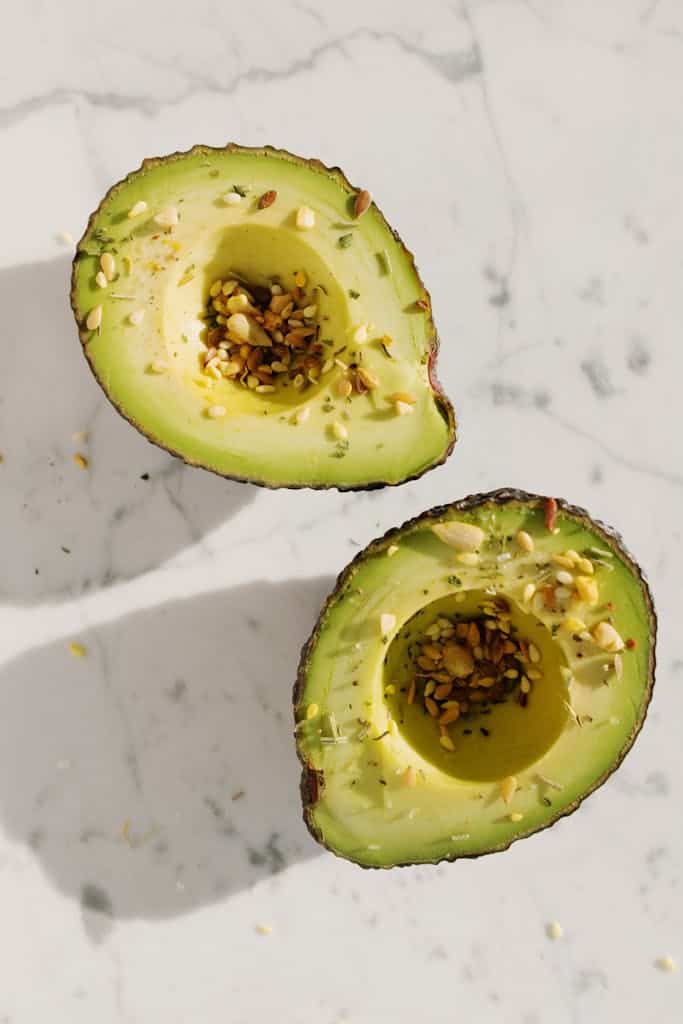
Healthy fats are non-negotiable for hormone production. Your body uses cholesterol and fatty acids to create steroid hormones like estrogen, progesterone, and testosterone. Incorporate omega-3 rich foods like wild salmon, sardines, walnuts, flaxseeds, and chia seeds. Add avocados, extra virgin olive oil, coconut oil, and raw nuts or seeds to support hormone synthesis and nourish hormones at the cellular level.
Cruciferous vegetables like broccoli, cauliflower, Brussels sprouts, and kale contain compounds that support healthy estrogen metabolism. These vegetables help your liver process and eliminate excess estrogen, which is crucial for preventing estrogen dominance.
Fiber plays a vital role in hormone detoxification. Aim for 25-35 grams daily from vegetables, fruits, legumes, and seeds. Fiber binds to excess hormones in your digestive tract and helps eliminate them from your body. Plant-based diets naturally tend to be higher in fiber, which is beneficial for hormone balance.
Foods to avoid include processed foods, excess sugar, refined carbohydrates, and excessive alcohol—all of which can disrupt insulin, cortisol, and sex hormones.
Balance Blood Sugar to Balance Hormones
If you want to know how to balance hormones naturally, mastering blood sugar control is absolutely foundational. Insulin resistance doesn’t just affect your blood sugar—it impacts every other hormone in your body, including thyroid hormones, sex hormones, and stress hormones.
When blood sugar spikes and crashes throughout the day, your body releases cortisol to stabilize glucose levels. This chronic cortisol elevation can suppress progesterone production, disrupt thyroid function, and promote weight gain around the midsection.
To stabilize blood sugar:
- Eat protein and healthy fat with every meal and snack
- Pair plant-based proteins like hummus with vegetables, or nut butter with fruit
- Avoid eating carbohydrates alone
- Don’t skip meals or fast for extended periods (especially important for women)
- Focus on complex carbohydrates from vegetables, legumes, and whole grains
- Limit refined sugars and processed foods
- Include protein-rich plant foods like lentil soup, power bowls with quinoa and chickpeas, or tofu stir-fries
Signs your blood sugar is affecting your hormones include energy crashes between meals, intense sugar cravings, difficulty losing weight, brain fog, and irritability when hungry.
Natural Supplements and Seed Cycling for Hormone Support
When exploring how to balance hormones naturally, targeted supplementation can fill nutritional gaps and provide extra support:
Vitamin D is actually a hormone itself and plays a role in producing other hormones. Most people are deficient; aim for blood levels of 50-80 ng/mL.
Magnesium supports over 300 enzymatic reactions, including progesterone production and stress response. Many women are deficient in this crucial mineral.
Omega-3 fatty acids reduce inflammation and provide building blocks for hormone synthesis. If you don’t eat fish regularly, consider a high-quality fish oil supplement or plant-based alternatives like algae oil, which provides EPA and DHA without fish.
B-complex vitamins support energy production and metabolism. Adaptogenic herbs like ashwagandha and maca can help modulate stress response and support reproductive health.
Plant-based protein powders made from peas, hemp, or brown rice can help those following plant-based diets meet their protein needs, which is essential for hormone production and blood sugar balance.
Seed cycling is an emerging practice for how to balance hormones naturally. This involves consuming specific seeds during different phases of your menstrual cycle to support estrogen and progesterone balance through their unique nutritional properties. Seed cycling is one of the best foundational tools I personally have ever discovered. To name a few benefits: my monthly night sweats disappeared, my cycle always comes on time, and I am no longer considered the “cold person” in the room, as my body temperature regulation has greatly improved.
Here’s how seed cycling works biologically:
During the follicular phase (days 1-14), you consume 1 tablespoon each of ground flax seeds and pumpkin seeds daily. Flax seeds are rich in lignans—phytoestrogens that help gently support rising estrogen levels during this phase while also preventing excess estrogen from binding to receptors. They’re also packed with omega-3 fatty acids that reduce inflammation. Pumpkin seeds are high in zinc, a mineral essential for preparing the body for ovulation and supporting the eventual production of progesterone. Day 1 is to be taken on the first day of your period, or if you do not get a period, you will take it on the day of the monthly full moon.
During the luteal phase (days 15-28), you switch to 1 tablespoon each of sunflower seeds and sesame seeds. Sunflower seeds are rich in vitamin E and selenium, both of which support progesterone production during this phase when progesterone should naturally be elevated. Sesame seeds contain lignans and additional selenium to help the body metabolize and eliminate excess estrogen, maintaining a healthy estrogen-to-progesterone ratio.
For those interested in seed cycling, products like SEEDLING make this practice remarkably convenient. Rather than purchasing and grinding multiple types of seeds separately, SEEDLING provides a kit including pre-ground, organic raw seed blends for each cycle phase. The seeds maintain their freshness, taste delicious, and come with everything needed, including a metal spoon for easy measuring. This product has saved me significant time and removed barriers to consistency, which is key to seeing results with seed cycling.

Stress Management: Lowering Cortisol for Hormonal Balance
Chronic stress is one of the biggest hormone disruptors in modern life. When you’re constantly stressed, your body prioritizes cortisol production, which can interfere with the production of other hormones. This can affect progesterone levels, leading to potential imbalances with estrogen and other issues.
Understanding how to balance hormones naturally requires addressing your stress response:
Evidence-based stress reduction techniques include meditation and prayer, breathwork exercises, somatic movement or gentle pilates exercises, and spending time in nature. These practices activate your parasympathetic nervous system and lower cortisol levels.
Setting boundaries is crucial for hormonal health. Learning to say “no” protects your energy and prevents chronic stress. Prioritize rest, delegate tasks when possible, and create space for activities that genuinely restore you.
Adaptogenic herbs like ashwagandha, rhodiola, and holy basil can help your body adapt to stress more effectively. These herbs don’t eliminate stress but help modulate your stress response.
Sleep Optimization: The Hormone Reset That Happens While You Rest
Sleep is when your body performs critical hormone regulation and repair. During deep sleep, your body produces growth hormone, balances leptin and ghrelin (hunger hormones), and allows cortisol to drop to its lowest levels.
For those seeking how to balance hormones naturally, optimizing sleep is non-negotiable:
- Aim for 7-9 hours of quality sleep per night
- Create a dark, cool sleeping environment (65-68°F is ideal)
- Establish a consistent sleep-wake schedule, even on weekends
- Avoid blue light from screens 1-2 hours before bed
- Create an evening routine that signals your body it’s time to wind down
Sleep deprivation disrupts insulin sensitivity, increases cortisol, reduces leptin (which signals satiety), and increases ghrelin (which stimulates hunger). This hormonal cascade makes weight management nearly impossible and exacerbates other hormonal issues.

Exercise for Hormonal Balance: Moving Your Body the Right Way
The right type of exercise is a powerful tool for how to balance hormones naturally, but the wrong approach can actually worsen hormonal imbalances.
Strength training is particularly beneficial for hormone balance. Resistance training increases testosterone and growth hormone production, improves insulin sensitivity, and supports healthy metabolism. Aim for 2-4 strength training sessions per week.
Walking is underrated for hormonal health. A daily 30-minute walk helps lower cortisol, improves insulin sensitivity, and supports lymphatic drainage without overtaxing your system.
Pilates and somatic movement are excellent choices for hormonal balance. Pilates combines controlled movement with breath work to strengthen the core, improve posture, and reduce stress without overstimulating the nervous system. Somatic movement practices focus on gentle, mindful movements that help release tension held in the body, reduce cortisol, and regulate the nervous system. Both practices support the parasympathetic nervous system and can be particularly beneficial for those with hormonal imbalances related to chronic stress or overtraining.
Avoid overtraining, which can elevate cortisol chronically and disrupt menstrual cycles. If you’re doing intense exercise daily and experiencing hormonal symptoms, you may need to reduce intensity or frequency.
Gut Health: The Hidden Key to Hormonal Balance
Your gut microbiome plays a surprising role in how to balance hormones naturally. The collection of bacteria in your digestive tract actually metabolizes estrogen through the “estrobolome”—specialized bacteria that regulate estrogen levels.
Dysbiosis (imbalanced gut bacteria) can lead to the recirculation of estrogen that should be eliminated, contributing to estrogen dominance. Meanwhile, a healthy gut microbiome helps:
- Metabolize and eliminate excess hormones
- Reduce inflammation that disrupts hormonal signaling
- Produce neurotransmitters that affect mood and stress response
- Support nutrient absorption needed for hormone production
Support gut health by consuming fermented foods (sauerkraut, kimchi, yogurt, kefir, miso, tempeh), taking a quality probiotic, eating plenty of prebiotic fiber, and eliminating inflammatory foods that damage the gut lining. Plant-based diets rich in diverse fiber sources naturally support a healthy microbiome, which in turn supports hormonal balance.
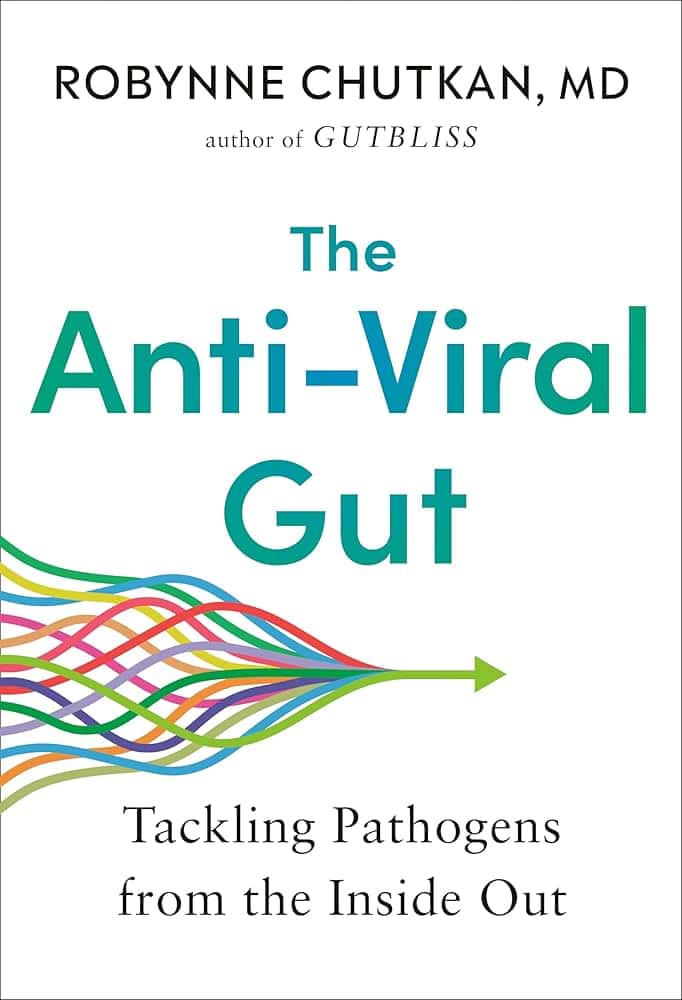
One of my favourite books to support a healthy gut microbiome and understand it better is: The Anti-Viral Gut book.
Reducing Toxin Exposure: Protecting Your Endocrine System
Environmental toxins called endocrine disruptors can interfere with hormone production, metabolism, and signaling. These chemicals mimic hormones in your body and can contribute to hormonal chaos.
Common endocrine disruptors include:
- BPA and phthalates in plastics
- Parabens in personal care products
- Synthetic fragrances in cleaning products and perfumes
- Pesticides in conventional produce
- Triclosan in antibacterial products
To reduce exposure as part of how to balance hormones naturally:
- Switch to glass or stainless steel food storage containers
- Choose organic produce, especially for the “Dirty Dozen” items
- Use natural, fragrance-free personal care and cleaning products
- Filter your drinking water
- Avoid heating food in plastic containers

Testing and Monitoring Your Progress
Understanding how to balance hormones naturally also means knowing your starting point and tracking progress. Consider testing:
Hormone panels can include estrogen, progesterone, testosterone, DHEA, cortisol, and thyroid hormones. Different testing methods (blood, saliva, urine) have different advantages.
Blood tests are standard and covered by insurance but only show hormone levels at one point in time.
Saliva tests can measure free (bioavailable) hormone levels and can track cortisol rhythm throughout the day.
DUTCH tests (dried urine) provide comprehensive information about hormone production and metabolism.
Work with a functional medicine practitioner or naturopathic doctor who can interpret results in context and help you understand what’s driving your imbalances. Track your symptoms using a journal or app to monitor how dietary and lifestyle changes affect how you feel.
Quick Comparison Chart For Hormone Balancing Approaches
| Approach | Estimated Time to Results | Cost | Best For | Difficulty Level |
|---|---|---|---|---|
| Dietary Changes | 2-3 months (varies) | Low-Moderate | Blood sugar, inflammation, all hormones | Moderate |
| Stress Management | 2-8 weeks (varies) | Free-Low | Cortisol, thyroid, progesterone | Easy-Moderate |
| Sleep Optimization | 1-4 weeks (varies) | Free-Low | All hormones, especially cortisol | Easy |
| Targeted Supplementation | 4-12 weeks (varies) | Moderate-High | Nutrient deficiencies, specific imbalances | Easy |
| Seed Cycling | 3-4 months (varies) | Low | Menstrual cycle regulation, estrogen/progesterone balance | Easy |
| Exercise Modification | 4-8 weeks (varies) | Free-Moderate | Insulin, testosterone, cortisol | Moderate |
| Toxin Reduction | 3-6 months (varies) | Low-Moderate | Estrogen dominance, overall endocrine health | Easy-Moderate |
Frequently Asked Questions About How to Balance Hormones Naturally
Q1: How long does it take to balance hormones naturally?
A: Most people begin noticing improvements within an estimated 4-8 weeks of implementing natural hormone balancing strategies, but full hormonal balance typically takes an estimated 3-6 months or longer. Hormones have different half-lives and turnover rates, and individual response varies significantly. Patience is essential. Consistency with diet, supplementation, stress management, and sleep is more important than perfection.
Q2: Can you balance hormones naturally without medication?
A: Many hormonal imbalances can be addressed effectively through natural approaches including dietary changes, stress management, targeted supplementation, and lifestyle modifications. However, some conditions like severe hypothyroidism or diabetes may require medication alongside natural support. Always work with a healthcare provider to determine the best approach for your specific situation.
Q3: What are the first signs that your hormones are balancing?
A: Early signs of hormonal balance include improved sleep quality, more stable energy throughout the day, reduced PMS symptoms, clearer skin, better mood stability, decreased sugar cravings, and more regular menstrual cycles. You might also notice improved digestion and reduced bloating as your hormones begin to stabilize. The timing and specific improvements vary by individual.
Q4: What is the fastest way to balance hormones naturally?
A: While there’s no overnight fix, the fastest results typically come from addressing blood sugar stability, optimizing sleep, and managing stress simultaneously. Eating protein and fat with every meal, filling in nutritional gaps with supplementation and strategic food sources, getting 7-9 hours of quality sleep, and practicing daily stress reduction can produce noticeable changes within an estimated 2-4 weeks, though individual results vary.
Q5: Can diet alone balance hormones?
A: Diet is foundational for hormonal health and can create significant improvements, but a comprehensive approach including stress management, sleep optimization, exercise, and toxin reduction typically produces the best results. Diet provides the raw materials for hormone production, but lifestyle factors determine how effectively your body uses those materials.
Q6: What foods should I avoid to balance hormones?
A: Avoid processed foods, refined sugars, excessive alcohol, trans fats, and foods you’re personally sensitive to. Also limit caffeine if you have cortisol or adrenal issues, as it can exacerbate stress hormone imbalances. Focus on whole, unprocessed foods and include healthy plant proteins like tempeh, edamame, and tofu which can support hormonal balance.
Q7: How do I know which hormones are out of balance?
A: Symptoms provide important clues: weight gain around the midsection suggests insulin resistance or cortisol issues; irregular periods point to estrogen/progesterone imbalance; fatigue and cold sensitivity suggest thyroid dysfunction; low libido may indicate testosterone deficiency. However, symptoms can overlap and be non-specific. Hormone testing through blood, saliva, or urine provides definitive answers.
Q8: Is seed cycling scientifically proven?
A: While seed cycling has strong anecdotal support and is based on the known nutritional properties of seeds (lignans in flax, zinc in pumpkin seeds, selenium in sesame seeds, vitamin E in sunflower seeds), large-scale clinical trials are limited. However, the nutrients in these seeds do support hormone metabolism, and many practitioners and individuals report positive results.
Q9: Can stress really affect all my hormones?
A: Yes, absolutely. Chronic stress elevates cortisol, which can suppress thyroid function, reduce progesterone production, disrupt insulin sensitivity, lower testosterone, and interfere with growth hormone. This is why stress management is crucial for anyone learning how to balance hormones naturally—no amount of supplements can overcome chronic stress.
Q10: Should I see a doctor before trying to balance hormones naturally?
A: It’s wise to get baseline hormone testing and rule out serious conditions before implementing natural approaches. Some symptoms that seem hormonal could indicate thyroid disorders, PCOS, diabetes, or other conditions requiring medical treatment. A functional medicine doctor can help you understand your hormone levels and create a comprehensive plan that may include both natural approaches and medical treatment if needed. Additionally, naturopathic doctors are trained in both conventional diagnostic testing and natural treatment approaches, making them particularly well-suited for comprehensive hormone testing and creating integrative treatment plans that emphasize natural hormone balancing strategies.
Conclusion
Learning how to balance hormones naturally is a journey that requires patience, consistency, and a holistic approach. By addressing diet, blood sugar stability, stress management, sleep quality, exercise, gut health, and toxin exposure, you can create an environment where your hormones can thrive.
Remember that how to balance hormones naturally isn’t about perfection—it’s about consistent progress. Start with one or two changes that feel manageable, whether it’s improving your sleep routine, adding more protein to your meals, or beginning a stress management practice. As these become habits, gradually layer in additional strategies.
Your hormones are constantly communicating with each other and responding to your environment. By providing your body with the nutrients, rest, movement, and stress management it needs, you give your endocrine system the support it requires to find balance. While the path to hormonal health is individual, the fundamental principles of how to balance hormones naturally remain the same: nourish your body, manage stress, prioritize sleep, move appropriately, and reduce your toxic burden.
With commitment to these natural approaches, most people experience significant improvements in their symptoms and overall quality of life. Your hormones don’t have to control you—you can learn how to balance hormones naturally and reclaim your health, energy, and vitality.
Medical Disclaimer: This article is for informational purposes only and is not intended as medical advice. Hormonal imbalances can indicate serious medical conditions that require professional diagnosis and treatment. Always consult with a qualified healthcare provider before making significant changes to your diet, exercise routine, or supplement regimen, especially if you have existing health conditions or are taking medications. The timeframes and recommendations provided are general estimates for women and may vary significantly based on individual circumstances.
⚠️ Affiliate Disclosure: This article could contain affiliate links to products I recommend. If you purchase through these links, I may earn a small commission at no additional cost to you. As a registered massage therapist with 17+ years of experience, I only recommend products I personally use or genuinely believe will benefit your health and wellness. All opinions and recommendations are based on my professional expertise and clinical experience.
About the Author

Steph Swarts, RMT, CNP
Steph Swarts is a registered massage therapist and certified naturopathy practitioner with 17+ years of clinical experience helping clients optimize their health through evidence-based supplementation and holistic wellness strategies.
Professional Credentials:
- Registered Massage Therapist (RMT) – Licensed in Ontario, Canada
- Certified Naturopathic Practitioner (CNP)
- Raindrop Technique Practitioner (RTP)
- 17+ years in clinical practice
- Specialized training in Prenatal Massage Therapy
Clinical Expertise:
“As a healthcare professional with naturopathic training, I evaluate supplements using the same rigorous standards I apply in client care. My recommendations prioritize:
✅ Safety: Thorough evaluation of quality and purity
✅ Evidence: Backed by peer-reviewed research
✅ Clinical relevance: Real-world effectiveness for performance and recovery
✅ Professional standards: Third-party testing and manufacturing quality
Over 17+ years, I’ve guided hundreds of clients through their health journey, injury recovery, and overall wellness. Every recommendation reflects my professional commitment to evidence-based natural health.
Professional Memberships:
- Registered Massage Therapist with CMTO
- Member of RMTAO
- Certified Naturopathy Practitioner with NCCAP, CPD, and CMA
- Raindrop Technique Practitioner with Institute Of Energy Wellness Studies
📧 Contact: stephaniejswarts.rmt@gmail.com
🌐 Website: www.stephswarts.com
📱 Social: https://www.facebook.com/StephanieJSwarts
Professional Disclaimer: Information provided is for educational purposes based on clinical expertise and current research. This does not replace individualized medical advice. Consult your healthcare provider before starting any supplement regimen, especially if you have pre-existing conditions or take medications.


