
**By Steph Swarts, RMT, CNP** *Registered Massage Therapist | Certified Naturopathy Practitioner* 📅 Last Updated: January 17, 2026 ✅ Evidence-based recommendations from a licensed healthcare professional
As a registered massage therapist, one of the most common concerns I hear is about the visible curve or bump developing at the base of the neck. Many people worry, “Can this actually be fixed, or is this just how I’m going to look now?”
Over the years, I’ve worked with people of all ages dealing with neck humps – from young professionals in their twenties to retirees in their seventies. What I’ve learned is that yes, you absolutely can improve or fix neck hump in most cases. But it requires understanding what you’re dealing with, consistent effort, and realistic expectations about the timeline.
If you’re reading this because you’ve noticed changes in your neck posture or profile, know that you’re not alone and there are proven strategies that can help. Let me share what the evidence and clinical experience shows about successfully addressing this condition.
What Is a Neck Hump? Understanding What You’re Actually Dealing With
First, let’s talk about what we’re actually trying to fix regarding neck hump issues. Not all neck humps are the same, and understanding the difference matters for your treatment approach.
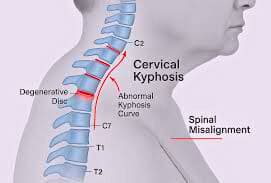
Dowager’s hump is characterized by that rounded curve in your upper back caused by kyphosis (excessive forward curvature of the spine). The vertebrae begin to curve forward, sometimes even wedging together. In more pronounced cases, the outline of the spine becomes visible through clothing.
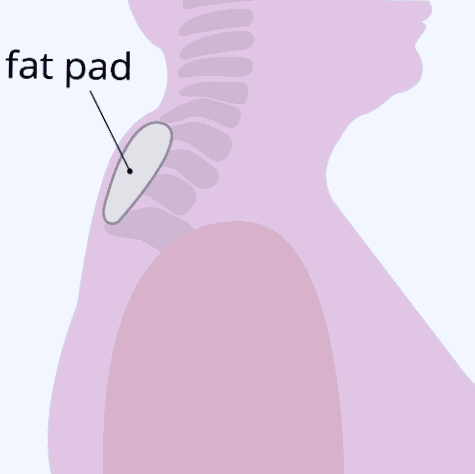
Buffalo hump, on the other hand, is a fat deposit that accumulates at the base of the neck. It’s softer to the touch and is typically related to hormonal issues, certain medications, or metabolic conditions. This type often develops gradually in response to hormonal changes or as a side effect of medications like corticosteroids.
Sometimes both conditions occur together. The postural issues create the structural problem, and then fat deposits make it more noticeable.
Here’s how to assess what you’re dealing with: take a side-view photo while standing naturally – either have someone else take it or set your phone on a timer. You can also ask your health practitioner for a professional postural assessment. If your ears are noticeably forward of your shoulders with a visible curve or bump, that’s likely dowager’s hump. If it’s a softer, fatty deposit without significant spinal curvature, you’re probably looking at buffalo hump.
What’s concerning is that younger people are developing these issues at increasing rates. Research shows that prolonged technology use is creating postural problems in people in their twenties and thirties that were previously seen primarily in older adults.
What Actually Causes Neck Humps?
The most common cause seen in clinical practice is poor posture from prolonged technology use.
Tech neck (also called text neck) has become a significant contributing factor to neck hump development, especially in younger populations. This term describes the repetitive stress injury and pain in the neck caused by excessive use of technology – whether that’s looking down at phones and tablets, or hunching over computers and laptops for extended periods.
The mechanics are concerning. The average person’s head weighs about 10-12 pounds in neutral position, but when you tilt your head forward at a 60-degree angle (typical when looking at your phone or leaning toward a computer screen), the effective weight on your cervical spine increases to approximately 60 pounds. This is supported by research published in Surgical Technology International showing the progressive load increase on the spine as head angle increases.
Think about that for a moment – 60 pounds of pressure on structures designed to support 10-12 pounds. Studies show people spend 3-5 hours daily on their phones, often in addition to 8+ hours at computers. This sustained forward head posture from tech neck creates the perfect conditions for developing a neck hump over time.
The problem with tech neck is that it’s becoming habitual and all-encompassing. Research indicates people check their phones an average of 96 times per day, and many professionals spend their entire workday at computers. Each time they assume that forward head position, they’re reinforcing damaging posture. Over months and years, the body begins to adapt to this position – muscles lengthen or shorten accordingly, fascia adapts, and eventually the spine itself begins to curve forward.
But posture and technology use aren’t the only factors. Here are other common causes:
Osteoporosis – particularly in postmenopausal women. The vertebrae lose density and begin compressing forward. Research shows that vertebral compression fractures from osteoporosis can lead to height loss of 2-3 inches or more.
Hormonal imbalances – elevated cortisol levels can trigger fat deposits in specific areas, including the neck. Cushing’s syndrome represents the extreme version, but even moderate hormonal fluctuations can contribute.
Medications – corticosteroids and some HIV medications are well-documented causes of buffalo hump. If you’re taking these medications, consult your doctor before starting any corrective program.
Muscle imbalances – weak upper back muscles combined with tight chest muscles pull the shoulders forward. It creates an imbalance where one muscle group is significantly stronger than its opposing group. Tech neck accelerates this imbalance because looking down at devices or leaning toward screens constantly keeps chest muscles shortened while upper back muscles become overstretched and weakened.
Fascia restrictions and tissue changes – Emerging research suggests there may be a connection between chronic poor posture and changes in the connective tissue (fascia) around the neck and upper back. Some practitioners in the manual therapy field believe that prolonged forward head posture can lead to tissue restriction that may contribute to the appearance of a hump. While this isn’t yet well-established in mainstream medical literature, clinical observations suggest that fascial work may provide some benefit in tissue mobility. More research is needed to fully understand this potential connection.
Most people have multiple contributing factors rather than a single cause.
Can You Really Fix Neck Hump? Setting Realistic Expectations
This is where I need to be honest with you. Can you fix neck hump completely? Sometimes yes, sometimes it’s about significant improvement rather than complete reversal. Several factors influence outcomes:
Severity is a key factor. If you have mild to moderate curvature and address it early, you have excellent chances of significant improvement or complete reversal. Research on postural kyphosis shows that early intervention with exercise and posture correction can lead to substantial improvement or complete resolution in many cases.
However, severe kyphosis with vertebral wedging, or conditions that have been present for many years, may see improvement and management rather than complete elimination. Even a 50% reduction can make a substantial difference in both comfort and appearance.
Age influences recovery but doesn’t determine it. While younger people generally respond more quickly due to greater tissue adaptability, studies show that older adults who maintain consistency with corrective programs also see meaningful results.
Here’s the realistic timeline based on clinical evidence: expect to notice improved posture awareness within 2-3 weeks. Visible changes in the hump typically take 3-6 months of daily work. Significant or complete reversal for moderate cases usually requires 6-12 months minimum of consistent intervention.
The biggest obstacle? People discontinuing their program after a month when they don’t see dramatic changes. This process requires patience and persistence.

Exercises That Actually Help Fix Neck Hump
Let me share the exercises that research and clinical practice show are most effective. You don’t need expensive equipment – just consistency.
Chin tucks – This is the foundation exercise and directly counteracts tech neck posture. Sit or stand with good posture, then draw your chin straight back (imagine making a double chin). Hold for 5 seconds, release. Perform 10 reps, 3 times daily. Research published in the Journal of Physical Therapy Science shows that chin tuck exercises significantly improve forward head posture and reduce neck pain when performed consistently.
Wall angels – Stand with your back against a wall, feet about 4 inches out. Press your lower back, shoulders, and head against the wall. Raise your arms into a “W” position, then slide them up into a “Y” while maintaining wall contact. Perform 10 slow reps, twice daily. This opens the chest and activates weak upper back muscles that have been overstretched from tech neck posture.
Thoracic extensions – Place a foam roller horizontally across your upper back. Support your head with your hands and gently arch backward over the roller. Move it gradually up and down your upper back. This helps reverse the rounded curve that develops from hunching over devices and computers. Start gently to avoid muscle strain.
Resistance band rows – Anchor a resistance band at chest height. Pull it back, squeezing your shoulder blades together. Keep your elbows close to your body. Perform 15 reps, 3 sets. Studies show that strengthening exercises targeting the scapular stabilizers and posterior shoulder muscles are effective for improving posture and reducing forward head position.
Neck stretches and mobility work – Gentle side-to-side and rotation movements help maintain tissue mobility and flexibility in the area. Move slowly and breathe through each movement. After hours of tech neck positioning, these stretches help restore normal range of motion.
The key to fix neck hump with exercises is daily consistency. Research consistently shows that sporadic exercise programs produce minimal results compared to daily practice.

Lifestyle Changes That Support Your Progress
Exercise alone won’t be effective if you’re maintaining poor posture for extended periods daily. To fix neck hump, you need to address it from multiple angles.
Addressing tech neck habits – This is crucial for virtually everyone in today’s world. The key is being aware of your head position whether you’re using a phone, tablet, computer, or laptop. For phones and tablets, hold the device at eye level instead of looking down at it. Research shows this simple adjustment can reduce cervical spine load by up to 50 pounds.
For computer work, ensure your monitor is at eye level so you’re not tilting your head down or forward. Your screen should be about an arm’s length away, and the top of the monitor should be at or slightly below eye level. Ergonomic studies confirm that proper monitor height is essential for preventing forward head posture.
Limit device time and take breaks – Set boundaries around device use when possible. Every minute you spend in forward head posture – whether looking down at your phone or leaning toward a computer screen – is a minute reinforcing the posture that contributes to neck hump development.
Ergonomics are essential. Position your monitor at eye level. Your keyboard should allow your elbows to rest at 90 degrees. Don’t underestimate how important proper workstation setup is for preventing and treating tech neck. OSHA guidelines provide detailed recommendations for proper workstation ergonomics.
The 20-20-20 rule – Every 20 minutes, look at something 20 feet away for 20 seconds. This gives your neck a break from sustained forward positioning, whether from computer work or phone use. This rule is supported by occupational health research.
Movement breaks – Standing and moving every 30-45 minutes helps prevent prolonged static postures that worsen neck alignment. Even shoulder rolls and neck stretches make a difference. Research shows that regular movement breaks improve posture and reduce musculoskeletal discomfort.
Sleep positioning matters significantly. Avoid thick pillows that push your neck forward. Your head and neck should be in neutral alignment. Side sleepers need a pillow that fills the gap between head and mattress. Stomach sleeping is particularly problematic for neck alignment – try to modify this habit if possible. Sleep research confirms that proper pillow height and sleep position affect cervical spine alignment.
Weight management – particularly relevant for buffalo hump. Research shows that weight loss can reduce fat deposits, including buffalo hump, when the condition is related to excess body weight rather than hormonal causes.
Anti-inflammatory nutrition helps support tissue health. Omega-3 fatty acids, leafy greens, and berries all support tissue health and may reduce inflammation. Adequate hydration is also important for overall tissue health.

When to Seek Professional Help
Sometimes home exercises aren’t sufficient to fix neck hump issues effectively. Here’s when professional consultation is recommended:
Physical therapy – If you have severe curvature, pain, or aren’t seeing progress after 2-3 months of consistent home work. A qualified physical therapist can provide manual therapy, specialized exercises, and modalities like ultrasound or electrical stimulation. They can also provide specific interventions for tech neck-related issues and ergonomic assessments.
Chiropractic care – Some people find this helpful for spinal alignment. Ensure you’re working with someone who performs a thorough assessment rather than just providing generic adjustments.
Massage therapy – As an RMT, I can attest that deep tissue work on tight neck and shoulder muscles can make a substantial difference. Myofascial release can be particularly helpful when tissues feel restricted. Research supports the use of manual therapy techniques for improving tissue mobility and reducing muscle tension associated with postural dysfunction.
For buffalo hump that’s purely fat-related and doesn’t respond to lifestyle changes, liposuction is an option. It’s typically outpatient, and clinical outcomes show good cosmetic results. Just understand it doesn’t address the underlying cause if it’s hormonal.
Surgery (kyphoplasty) is reserved for severe cases with vertebral fractures or extreme curvature. It’s not common, but it’s available when medically necessary.

Common Mistakes People Make When Trying to Fix Neck Hump
Let me help you avoid common pitfalls when aiming to fix neck hump:
Expecting rapid results – This condition developed over time; improvement also takes time. Research shows that people who maintain corrective programs for 6+ months see results, while those who stop after 3 weeks typically return to baseline.
Only doing exercises – You can’t exercise for 15 minutes then maintain poor posture for 8 hours and expect progress. Exercises build strength, but you need posture awareness throughout the day.
Continuing tech neck habits – This is significant. Studies show that people often perform corrective exercises but then spend hours hunched over their phones or leaning into their computer screens. This undoes progress. You have to address the technology-use habits that created the problem – whether that’s phone posture, computer ergonomics, or both.
Incorrect exercise form – Improper form reduces exercise effectiveness. Consider filming yourself or working with a professional to verify your form, particularly for exercises like chin tucks which require precise movement.
Ignoring root causes – If medications are causing buffalo hump, exercises alone won’t resolve it. You need to discuss alternatives or management strategies with your doctor.
Remaining sedentary for extended periods – Prolonged sitting in poor posture is a primary contributor to neck hump development. Regular position changes and movement breaks are essential, especially for desk workers.
Progressing too quickly – when trying to fix neck hump, starting too aggressively can lead to muscle strain. Begin gradually and build up progressively.
Quick Comparison: Dowager’s Hump vs. Buffalo Hump
| Feature | Dowager’s Hump | Buffalo Hump |
|---|---|---|
| Primary Cause | Poor posture, kyphosis, osteoporosis, tech neck | Fat accumulation from hormones/medications |
| Texture | Hard, bony prominence | Soft, fatty deposit |
| Location | Upper back/thoracic spine (C7-T1) | Base of neck/upper back |
| Best Treatment | Posture correction, exercises, PT, reducing tech neck | Address underlying cause, weight loss, possibly liposuction |
| Reversibility | Moderate to high if caught early | High if cause is addressed |
| Common Age | Increasing in younger populations (tech neck) | More common in middle-aged adults |
| Associated Pain | Neck/upper back pain, headaches | Usually painless unless large |
| Contributing Factors | Muscle imbalances, poor ergonomics, prolonged device use | Hormones, medications, metabolic issues |
Scroll horizontally to view the complete comparison →
Frequently Asked Questions To Fix Neck Hump
Q: How long does it take to fix neck hump completely?
A: For mild to moderate cases, expect 6-12 months of consistent daily work to see significant improvement or reversal. Severe cases may take longer or may only see partial improvement. The key is starting early and staying consistent with exercises and posture correction.
Q: Can a neck hump go away without surgery?
A: Yes, absolutely. Most neck humps respond well to conservative treatment including exercises, posture correction, and lifestyle changes. Surgery is only needed for severe structural issues or fat deposits that don’t respond to other treatments. Research shows many people achieve significant improvement without surgical intervention.
Q: What’s the most effective way to fix neck hump?
A: The most effective approach combines daily corrective exercises (chin tucks, wall angels, rows), constant posture awareness, ergonomic adjustments to your workspace, addressing tech neck habits from both phone and computer use, and addressing any underlying causes. Combining these strategies produces better results than focusing on just one area.
Q: Will a posture corrector fix my neck hump?
A: Posture correctors can serve as helpful reminders and training tools, but they won’t fix neck hump independently. Your muscles need to be retrained through exercise, not just held in place passively. Research suggests using them for short periods (30-60 minutes) while building strength, not as a permanent solution.
Q: Is neck hump the same as a dowager’s hump?
A: Dowager’s hump is a specific type of neck hump caused by kyphosis (forward curvature of the spine). Neck hump is the broader term that includes both dowager’s hump and buffalo hump (fat accumulation). They require slightly different treatment approaches.
Q: Can tech neck cause a permanent neck hump?
A: Tech neck – whether from phone use, computer work, or both – can definitely contribute to the development of a neck hump over time if the forward head posture becomes chronic. However, it’s not necessarily permanent. With consistent corrective exercises and changes to how you use technology (device positioning, ergonomics, regular breaks), most people can see significant improvement. The key is addressing it early before structural changes become more established.
Q: Can sleeping position affect neck hump?
A: Your sleeping position alone won’t cause a neck hump, but it can worsen an existing one or slow your progress. Use a pillow that keeps your neck in neutral alignment, avoid stomach sleeping, and ensure your mattress provides proper support. This supports your other efforts to fix neck hump.
Q: Do chiropractors help with neck humps?
A: Chiropractors can help address spinal alignment issues that contribute to neck humps, particularly dowager’s hump. However, you’ll still need to do strengthening exercises and maintain good posture throughout the day. Chiropractic care works best as part of a comprehensive approach.
Q: Can losing weight fix a buffalo hump?
A: If your buffalo hump is caused by excess body fat, losing weight can definitely help reduce it. However, if it’s caused by hormonal issues (like Cushing’s syndrome) or medications, weight loss alone won’t resolve it – you’ll need to address the underlying cause with your doctor.
Q: Does massage therapy help fix neck hump?
A: Massage therapy can help address muscle tension and tightness that contributes to poor posture and neck hump. Deep tissue work and myofascial release may provide relief and improve range of motion, but massage works best when combined with corrective exercises and posture changes for long-term improvement.
Moving Forward: Your Path to Improvement
Here’s what the evidence tells us: neck hump is improvable for most people, but it requires commitment and patience.
You can make significant progress to fix neck hump if you’re willing to put in consistent daily effort for several months. That means exercises every single day, maintaining posture awareness, making ergonomic adjustments, being mindful of tech neck habits (both phone and computer use), taking regular movement breaks, and addressing any underlying health issues.
Early intervention produces the best results. If you’re noticing even slight changes in your neck posture or profile, addressing it now will be more effective than waiting until it becomes more pronounced.
Understand that consistency matters more than perfection. Some days you’ll miss exercises. Some days you’ll find yourself slouching for extended periods or spending too much time hunched over devices. That’s normal – just return to your program. Research shows, to fix neck hump, maintaining persistence will deliver the best results.
If you’ve been working on this independently for 2-3 months without seeing improvement, that’s when it’s valuable to bring in a professional. Physical therapists, chiropractors, massage therapists, and physicians can provide additional tools and treatments to support your progress.
Your neck hump developed gradually, and improvement will also take time. But with patience, consistency, and the right evidence-based approach, meaningful improvement is very achievable.
⚠️ Affiliate Disclosure: This article could contain affiliate links to products I recommend, such as with Amazon. If you purchase through these links, I may earn a small commission at no additional cost to you. As a registered massage therapist with 17+ years of experience, I only recommend products I personally use or genuinely believe will benefit your health and wellness. All opinions and recommendations are based on my professional expertise and clinical experience.
About the Author

Steph Swarts, RMT, CNP
Steph Swarts is a registered massage therapist and certified naturopathy practitioner with 17+ years of clinical experience helping clients optimize their health through evidence-based supplementation and holistic wellness strategies.
Professional Credentials:
- Registered Massage Therapist (RMT) – Licensed in Ontario, Canada
- Certified Naturopathic Practitioner (CNP)
- Raindrop Technique Practitioner (RTP)
- 17+ years in clinical practice
- Specialized training in Prenatal Massage Therapy
Clinical Expertise:
“As a healthcare professional with naturopathic training, I evaluate supplements using the same rigorous standards I apply in client care. My recommendations prioritize:
✅ Safety: Thorough evaluation of quality and purity
✅ Evidence: Backed by peer-reviewed research
✅ Clinical relevance: Real-world effectiveness for performance and recovery
✅ Professional standards: Third-party testing and manufacturing quality
Over 17+ years, I’ve guided hundreds of clients through their health journey, injury recovery, and overall wellness. Every recommendation reflects my professional commitment to evidence-based natural health.
Professional Memberships:
- Registered Massage Therapist with CMTO
- Member of RMTAO
- Certified Naturopathy Practitioner with NCCAP, CPD, and CMA
- Raindrop Technique Practitioner with Institute Of Energy Wellness Studies
📧 Contact: stephaniejswarts.rmt@gmail.com
🌐 Website: www.stephswarts.com
📱 Social: https://www.facebook.com/StephanieJSwarts
Professional Disclaimer: Information provided is for educational purposes based on clinical expertise and current research. This does not replace individualized medical advice. Consult your healthcare provider before starting any supplement regimen, especially if you have pre-existing conditions or take medications.


