**By Steph Swarts, RMT, CNP** *Registered Massage Therapist | Certified Naturopathic Practitioner* 📅 Last Updated: January 13, 2026 ✅ Evidence-based recommendations from a licensed healthcare professional
⚠️ Affiliate Disclosure: This article could contain affiliate links to products I recommend. If you purchase through these links, I may earn a small commission at no additional cost to you. As a registered massage therapist with 17+ years of experience, I only recommend products I personally use or genuinely believe will benefit your health and wellness. All opinions and recommendations are based on my professional expertise and clinical experience.
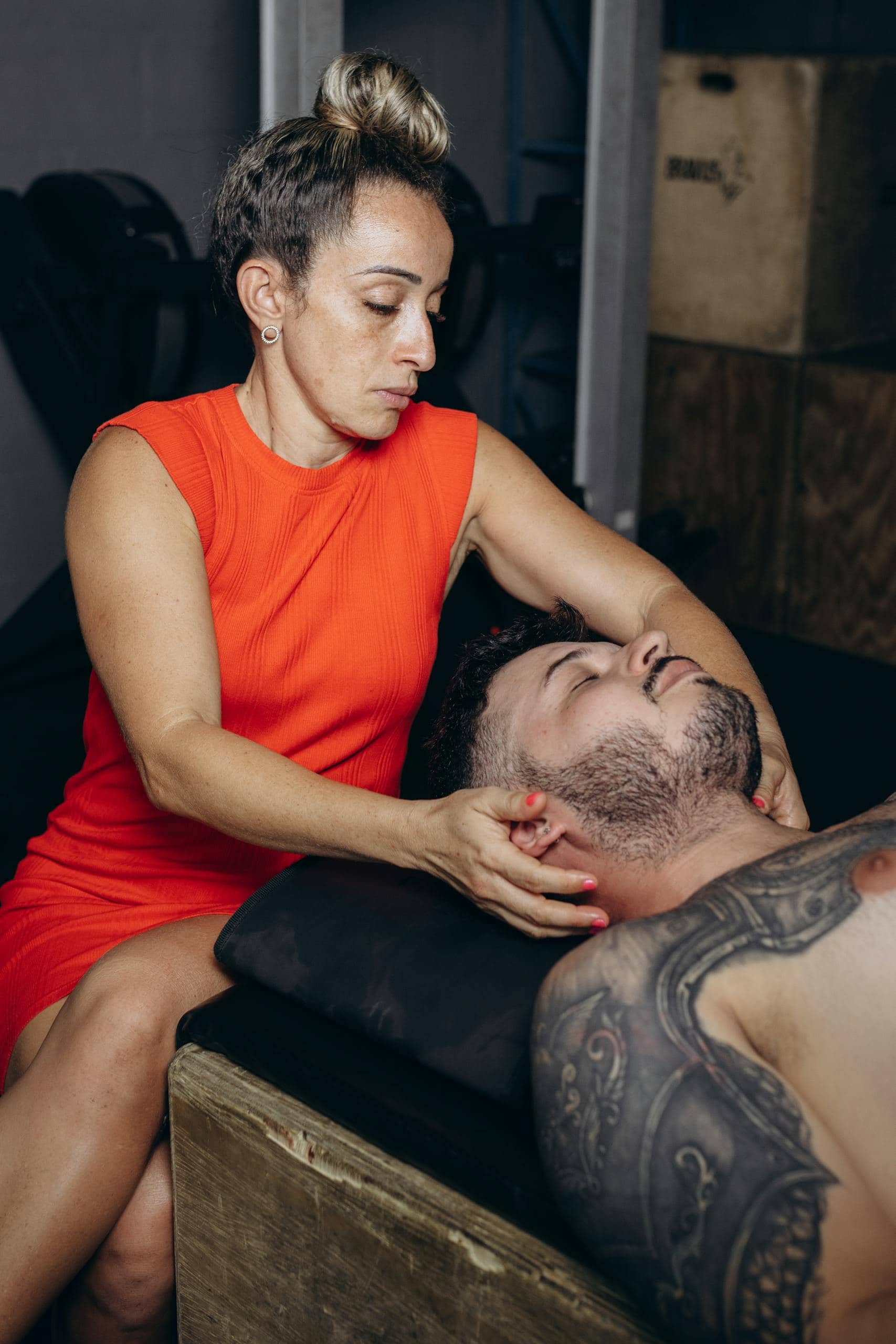
The massage therapy profession continues to take a significant physical toll on practitioners. Recent 2026 occupational health data shows massage therapists now perform an average of 22-32 client sessions per week, with each session requiring sustained grip strength, repetitive motions, and awkward positioning for 60-90 minutes.
📊 2026 Finding: Deep tissue massage burns 200-300 calories per hour while placing repetitive strain on hands, wrists, and forearms equivalent to gripping 15-30 pounds for extended periods.
This brings us to the critical decision of creatine vs pre workout for massage therapists. Both supplements target the physical demands of bodywork but function through completely different mechanisms. Recent 2026 research provides new insights into which option best supports massage therapy professionals.
🧠 2026 Research: New studies confirm creatine supplementation increases brain creatine levels by 11% and improves working memory and cognitive function under mental fatigue—highly relevant for therapists managing multiple clients daily.
Quick Comparison: Creatine vs Pre Workout for Massage Therapists
| Feature | Creatine Monohydrate | Pre-Workout Supplement |
|---|---|---|
| Primary Mechanism | Increases muscle phosphocreatine stores for sustained ATP production | Immediate stimulant-based energy boost (primarily caffeine) |
| Time to Feel Effects | 3-4 weeks for full benefits | 15-45 minutes after consumption |
| Duration of Effects | Continuous baseline improvement | 3-6 hours per dose |
| Typical Daily Dose | 3-5 grams daily (any time) | 1 serving 20-30 min before work |
| Hand/Grip Strength | ✓ Excellent – cellular level support | Moderate – temporary boost |
| Cognitive Benefits | ✓ 11% brain creatine increase | ✓ Immediate alertness |
| Recovery Support | ✓ Strong evidence | ✗ Minimal |
| Monthly Cost | $10-15 USD | $30-50 USD |
| Side Effects | Water retention (2-5 lbs) | Jitters, shaky hands, sleep issues |
| Best For | Daily support, long-term sustainability | Occasional demanding days |
To copy this chart: Highlight the table above, right-click, and select “Copy” to paste into any document.
Understanding Creatine for Massage Therapists
Creatine monohydrate is one of the most extensively researched supplements available, with over 1,000 peer-reviewed studies. When considering creatine vs pre workout for massage therapists, understanding creatine’s mechanism is essential. It increases your muscles’ phosphocreatine stores, producing more ATP—the energy currency cells use for muscle contractions during deep pressure work.
💪 2026 Research: Studies confirm creatine increases muscle strength by 5-15% and improves high-intensity capacity by up to 15%.
Most practitioners take 3-5 grams daily. You can load with 20 grams for 5-7 days for faster results, but this isn’t necessary. Here’s what matters most about creatine vs pre workout for massage therapists: creatine isn’t a stimulant. No caffeine, no jitters—it builds up gradually and supports baseline muscle performance with decades of safety research.
For massage therapists seeking quality options, check out this guide on the best creatine supplements tested by healthcare professionals.
Key Benefits for Massage Therapists (2026 Update)
The primary benefit when weighing creatine vs pre workout for massage therapists is substantially improved muscle endurance and strength. For those performing five or more deep tissue sessions daily, grip strength is critical. Creatine maintains that strength significantly longer.
🔬 2026 Study: Creatine helps gain 2-4 additional pounds of lean muscle in 4-12 weeks compared to controls.
Recovery support represents another significant benefit. Creatine reduces muscle damage markers and inflammation, potentially meaning less soreness in forearms and shoulders between workdays.
One of 2026’s most exciting developments involves cognitive function. A groundbreaking University of Kansas study demonstrated that creatine supplementation increased brain creatine levels by 11% and produced moderate improvements in working memory and executive function. For massage therapists juggling client intake, treatment planning, and maintaining present-moment awareness, these cognitive benefits are invaluable.
Understanding Pre-Workout Supplements
Pre-workout supplements take a different approach in the creatine vs pre workout for massage therapists conversation. These products provide immediate energy boosts through stimulants and performance enhancers. The most common ingredient is caffeine—typically 150-400mg per serving, equivalent to 1.5 to 4 cups of coffee.
Most pre-workouts also contain beta-alanine (causes tingling), citrulline malate for blood flow, and B vitamins. You typically consume pre-workout 20-30 minutes before work, with effects lasting 3-6 hours.
⚡ 2026 Data: Research confirms caffeine improves endurance by 2-4% and strength performance, with optimal doses of 200-400mg for most adults.
Side effects include jitters, anxiety, elevated heart rate, and digestive discomfort. Shaky hands are problematic for precision bodywork. Caffeine tolerance builds quickly—what feels effective in week one may barely register by week six. A 2026 review identified cardiovascular concerns with high-caffeine formulas.

Direct Comparison: Which is Better for Massage Therapists?
When directly comparing creatine vs pre workout for massage therapists, the fundamental difference centers on immediate versus sustained effects. Pre-workout provides a 3-6 hour energy window. Creatine builds over weeks and offers consistent baseline improvements.
For hand and forearm stamina—a primary concern when evaluating creatine vs pre workout for massage therapists—creatine likely offers superior long-term support. It works at the cellular level supporting actual muscle tissue and energy systems.
Both offer cognitive benefits through different mechanisms. Pre-workout’s caffeine provides immediate alertness peaking within an hour. Creatine’s cognitive effects are subtler but help with sustained mental performance. 2026 research confirms even single-dose creatine improves cognitive performance during sleep deprivation, while regular supplementation increases brain creatine stores by 11%.
From a cost perspective, creatine is significantly more economical at $10-15 monthly versus $30-50 for pre-workout. Over a year, this difference becomes substantial when comparing creatine vs pre workout for massage therapists.
Expert Recommendations
If you’re new to supplementation and deciding between creatine vs pre workout for massage therapists, creatine is generally the safer, more practical starting point. It has extensive research backing, is more affordable, and addresses fundamental concerns about muscle endurance and long-term career sustainability.
For early morning practitioners struggling with 6 AM appointments, pre-workout might provide more immediate benefit. However, this shouldn’t replace adequate sleep.
Therapists working afternoon and evening shifts need caution with pre-workout due to sleep disruption risks. For evening practitioners weighing creatine vs pre workout for massage therapists, creatine is likely the better option.
If you specialize in deep tissue or sports massage, creatine’s muscle endurance support is probably more valuable when comparing creatine vs pre workout for massage therapists.
💡 Expert Recommendation 2026: Most massage therapists will benefit more from consistent creatine use than sporadic pre-workout supplementation. The long-term muscle health support, recovery benefits, cognitive enhancement, and cost-effectiveness make creatine the more practical default choice.
Frequently Asked Questions: Creatine vs Pre Workout for Massage Therapists
1. Can I take creatine and pre-workout together safely?
Yes, you can safely combine them. There are no dangerous interactions. Many massage therapists take creatine daily for baseline support and reserve pre-workout for particularly demanding workdays. Just monitor total caffeine intake.
2. How long does it take to see results from creatine?
With 3-5 grams daily (no loading), expect improved grip strength within 3-4 weeks. With a loading phase (20 grams for 5-7 days), benefits appear within 7-10 days. The 2026 research shows brain creatine increases occur within 8 weeks.
3. Will pre-workout make my hands shake during massage sessions?
Pre-workout can cause hand tremors, particularly with high caffeine doses (300mg+) or if you’re stimulant-sensitive. This is a major concern when comparing creatine vs pre workout for massage therapists. Creatine doesn’t cause this issue.
4. Does creatine cause weight gain that affects massage work?
Creatine typically causes 2-5 pounds of water weight as muscles hold additional water. This isn’t fat gain and doesn’t negatively affect massage ability. The 2026 research shows this water retention is associated with muscle-supporting benefits.
5. Which is better for evening massage shifts?
Creatine is definitively better for evening shifts. Pre-workout’s caffeine lasts 3-6 hours and severely disrupts sleep if taken after 2-3 PM. Creatine isn’t a stimulant and won’t affect sleep quality.
6. How does creatine help with cognitive demands of massage therapy?
2026 research confirms creatine increases brain creatine by 11% and improves working memory and executive function. For massage therapists, this means better client recall, improved focus during sessions, and reduced mental fatigue during busy days.
7. Is creatine safe for female massage therapists?
Absolutely. 2026 research specifically examined creatine in menopausal women, finding it improved reaction time, increased brain creatine, and favorably modulated lipid profiles. Female therapists use the same 3-5 gram daily dose. Creatine doesn’t cause hormonal changes.
8. What’s the most cost-effective option for massage therapists on a budget?
Creatine is significantly more cost-effective at $10-15 monthly versus $30-50 for pre-workout. Over a year, creatine saves $240-420. When evaluating creatine vs pre workout for massage therapists on a budget, creatine offers substantially better value.
9. Can I use pre-workout just on my busy clinic days?
Yes, pre-workout can be used selectively on demanding days—this is one of its advantages. However, inconsistent caffeine use can lead to withdrawal headaches on off days. This flexibility makes pre-workout appealing for therapists with variable schedules.
10. Do I need to cycle off creatine or pre-workout periodically?
Creatine doesn’t require cycling. You can take it continuously without diminishing benefits or building tolerance. Pre-workout often requires cycling because caffeine tolerance develops within 4-6 weeks. Many users cycle off stimulants every 6-8 weeks for 1-2 weeks to reset tolerance.
Conclusion
When making your final decision about creatine vs pre workout for massage therapists, consider your work schedule, budget, specific physical demands, and long-term career goals. Based on 2026 research and clinical evidence, creatine monohydrate offers the most comprehensive benefits for massage therapy professionals.
Creatine provides improved grip strength and muscle endurance, reduced recovery time, enhanced cognitive function (including an 11% increase in brain creatine levels), protection against age-related muscle loss, and exceptional cost-effectiveness. The decision between creatine vs pre workout for massage therapists becomes clearer when you consider that creatine builds sustainable, long-term capacity while pre-workout provides temporary boosts.
Pre-workout has its place for specific situations—early morning appointments, particularly demanding days, or occasional energy needs. However, the stimulant content, higher cost, timing requirements, potential for shaky hands, and lack of long-term benefits make it less suitable as a daily foundation supplement.
For most massage therapists evaluating creatine vs pre workout for massage therapists, the optimal approach is establishing a consistent creatine supplementation routine (3-5 grams daily) as your baseline support, then selectively adding pre-workout only when specific circumstances warrant the immediate energy boost.
Always consult with a healthcare provider before starting any new supplement regimen, especially if you have existing health conditions or take medications. Your unique health situation, work demands, and career longevity goals should guide your final decision on creatine vs pre workout for massage therapists.
About the Author

Steph Swarts, RMT, CNP
Steph Swarts is a registered massage therapist and certified naturopathy practitioner with 17+ years of clinical experience helping clients optimize their health through evidence-based supplementation and holistic wellness strategies.
Professional Credentials:
- Registered Massage Therapist (RMT) – Licensed in Ontario, Canada
- Certified Naturopathic Practitioner (CNP)
- Raindrop Technique Practitioner (RTP)
- 17+ years in clinical practice
- Specialized training in Prenatal Massage Therapy
Clinical Expertise:
“As a healthcare professional with naturopathic training, I evaluate supplements using the same rigorous standards I apply in client care. My recommendations prioritize:
✅ Safety: Thorough evaluation of quality and purity
✅ Evidence: Backed by peer-reviewed research
✅ Clinical relevance: Real-world effectiveness for performance and recovery
✅ Professional standards: Third-party testing and manufacturing quality
Over 17+ years, I’ve guided hundreds of clients through their health journey, injury recovery, and overall wellness. Every recommendation reflects my professional commitment to evidence-based natural health.
Professional Memberships:
- Registered Massage Therapist with CMTO
- Member of RMTAO
- Certified Naturopathy Practitioner with NCCAP, CPD, and CMA
- Raindrop Technique Practitioner with Institute Of Energy Wellness Studies
📧 Contact: stephaniejswarts.rmt@gmail.com
🌐 Website: www.stephswarts.com
📱 Social: https://www.facebook.com/StephanieJSwarts
Professional Disclaimer: Information provided is for educational purposes based on clinical expertise and current research. This does not replace individualized medical advice. Consult your healthcare provider before starting any supplement regimen, especially if you have pre-existing conditions or take medications.


