**By Steph Swarts, RMT, CNP** *Registered Massage Therapist | Certified Naturopathic Practitioner* 📅 Last Updated: January 1, 2026 ✅ Evidence-based recommendations from a licensed healthcare professional
⚠️ Affiliate Disclosure: This article contains affiliate links to products I recommend. If you purchase through these links, I may earn a small commission at no additional cost to you. As a registered massage therapist with 17+ years of experience, I only recommend products I personally use or genuinely believe will benefit your health and wellness. All opinions and recommendations are based on my professional expertise and clinical experience.
The physical demands of massage therapy are often underestimated. Deep tissue work, sports massage, and myofascial release require sustained physical output that most people don’t see.
As an RMT, I started supplementing with creatine after noticing my grip strength declining during back-to-back deep tissue sessions. The difference was noticeable enough that I wanted to share what I’ve learned about finding the best creatine for massage therapists.
Research shows 60-80% of massage therapists experience work-related musculoskeletal disorders during their careers. Hand and wrist injuries rank among the most common complaints. After trying different approaches, creatine became part of my strategy for managing the physical demands and improving my career longevity.
Top 5 Best Creatine for Massage Therapists
Note: Product availability, pricing, and formulations may change. Always verify current product specifications and third-party testing status before purchasing. The following recommendations are based on commonly available options as of 2024-2025 and my own research as a working massage therapist.
Quick Comparison:
- Best Overall: Optimum Nutrition (affordable, proven)
- Best Premium: Thorne (NSF certified, pharmaceutical-grade)
- Best for Sensitive Stomachs: Kaged Muscle Creatine HCl
- Best Budget: BulkSupplements (10-12 cents/serving)
- Best Recovery Support: Transparent Labs (with HMB)
1. Optimum Nutrition Micronized Creatine Powder
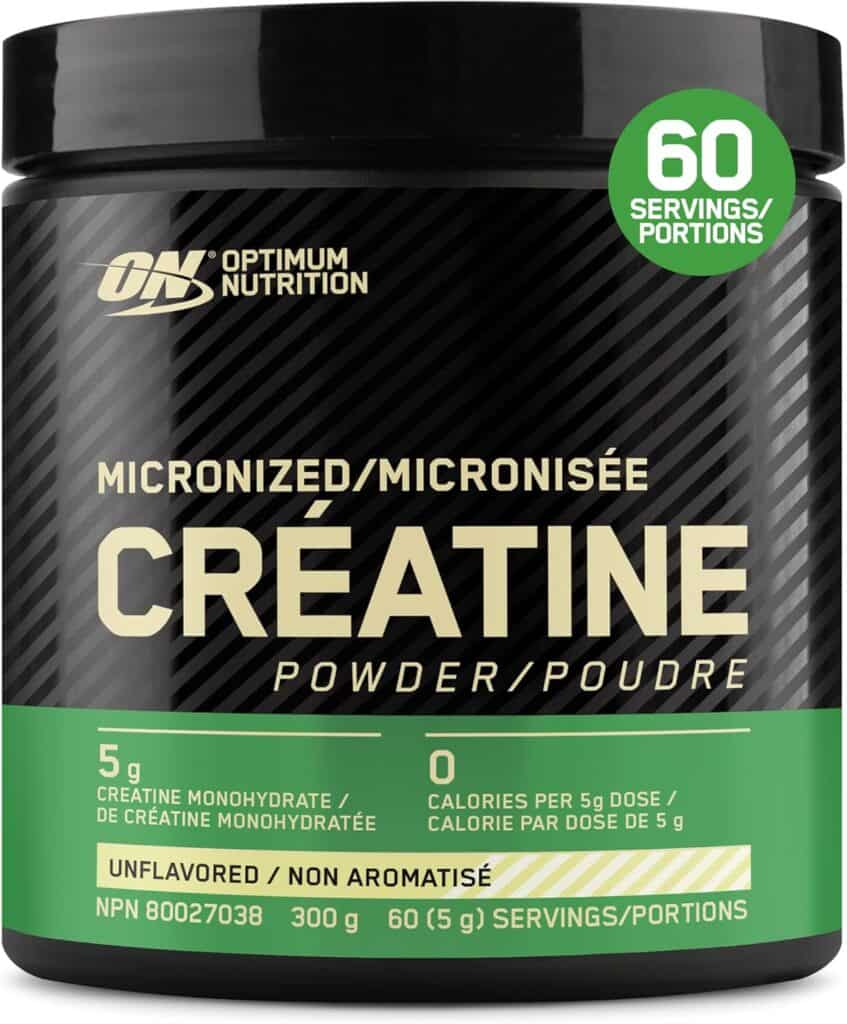
This is what I personally love and recommend as the best creatine for massage therapists starting with supplementation.
The product contains pure creatine monohydrate that has been micronized for improved mixing.
A typical 600-gram container provides approximately 120 servings at a cost of roughly $30-40 (25-33 cents per serving, though prices vary by retailer).
The unflavored formulation dissolves reasonably well and the company maintains consistent quality control standards.
Third-party testing verification should be confirmed on the manufacturer’s website.
I mix mine with my smoothie in the morning, which masks the slightly chalky taste.
The main reason this tops my list as the best creatine for massage therapists is the combination of proven effectiveness, affordability, and reliability.
Vegan-Friendly: Powder form is vegan (capsules contain gelatin)
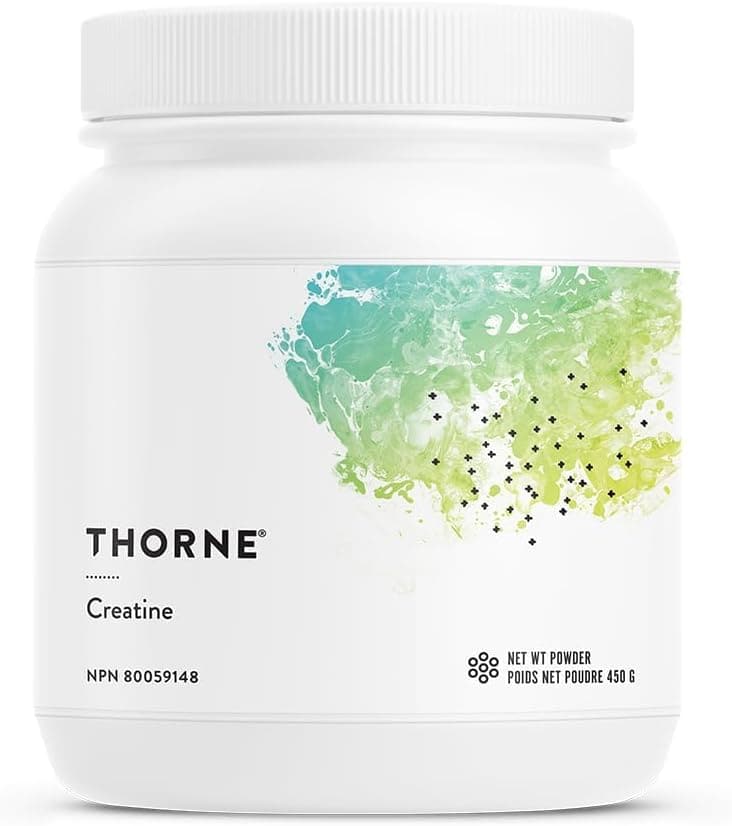
For those prioritizing pharmaceutical-grade quality assurance, Thorne offers NSF Certified for Sport products, indicating testing for banned substances and quality verification.
Pricing typically runs around $35 for 90 servings (approximately 39 cents per serving), representing a premium over standard options.
The micronized formula mixes easily, and the rigorous testing protocols provide confidence for professionals working with athletes who may be subject to drug testing.
I’ve recommended this to colleagues who work primarily with competitive athletes and need that extra assurance.
The higher cost represents the main consideration, but if you value third-party verification and want pharmaceutical-grade quality, it’s worth it.
Vegan-Friendly: 100% vegan, no animal-derived ingredients
3.Kaged Muscle Creatine HCl
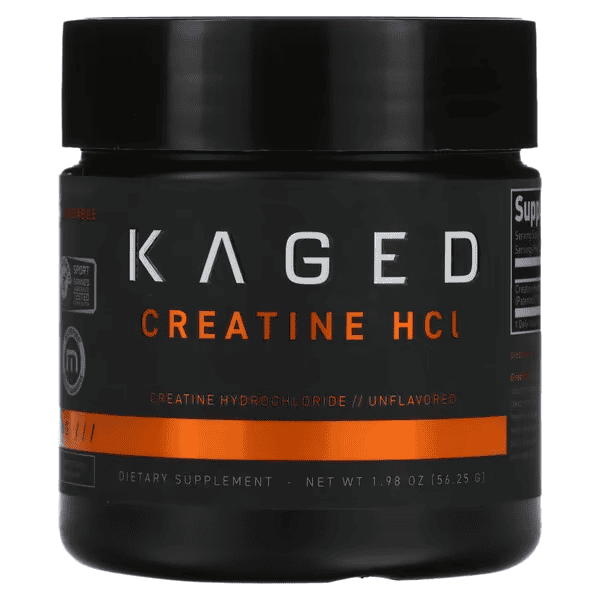
This option serves as one of the best creatine for massage therapists, specifically for those who experience digestive sensitivity with standard monohydrate.
Creatine HCl’s increased water solubility often results in reduced bloating and digestive discomfort.
The required serving size is smaller—approximately 750mg versus 5 grams of monohydrate.
A 75-serving container typically costs around $30 (about 40 cents per serving).
The capsule format offers convenience for those preferring to avoid powders.
I’ve heard from others who had stomach issues with regular creatine but found this form much easier to tolerate.
The trade-offs include higher per-serving cost and somewhat less extensive research compared to monohydrate, though existing studies show promise.
Vegan-Friendly: Check capsule formulation (may contain gelatin)
4. BulkSupplements Creatine Monohydrate
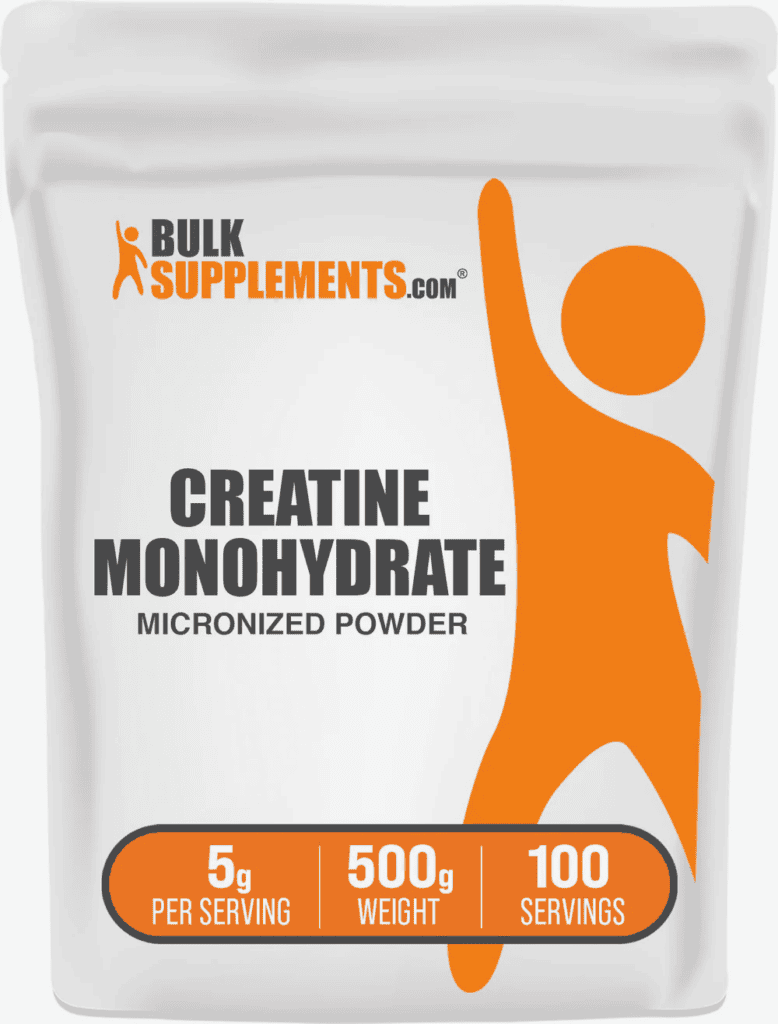
For budget-conscious professionals, this brand offers straightforward, no-frills creatine monohydrate.
A kilogram bag typically costs $20-25, providing 200 servings at 10-12 cents per serving.
The product contains pure creatine monohydrate without additives, and the company provides third-party testing certificates (which should be verified on their website before purchase).
The mixing quality doesn’t match micronized versions, and packaging is basic, but the actual product quality is legitimate.
This represents a practical option for newer therapists managing tight budgets or those who want to try creatine without a major financial commitment.
Vegan-Friendly: Pure creatine monohydrate, vegan-friendly
5. Transparent Labs Creatine HMB
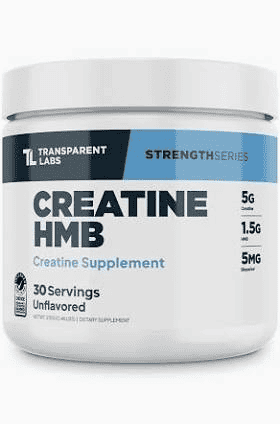
This premium option combines creatine monohydrate with HMB (beta-hydroxy beta-methylbutyrate), which research suggests may support muscle recovery and reduce exercise-induced muscle damage.
For massage therapists handling significant physical demands, this combination could provide additional benefits.
Pricing typically runs around $40 for 30 servings (approximately $1.33 per serving).
The formula also includes electrolytes supporting hydration—important when taking creatine.
The higher cost makes this more suitable for established therapists seeking comprehensive recovery support rather than entry-level supplementation.
When comparing options to determine the best creatine for massage therapists for individual needs, consider budget constraints, digestive sensitivities, and format preferences (powder versus capsules).
Important: Always verify that products carry third-party testing from organizations like NSF International, Informed Choice, or USP. This certification ensures label accuracy and screens for contaminants or banned substances.
Vegan-Friendly: Vegan formula, no animal products
Why Massage Therapists Are Considering Creatine
Massage therapy involves sustained, repetitive physical output that most people don’t see.
The reality:
- Deep tissue work requires 30-50 pounds of pressure repeatedly
- Forearms, hands, and shoulders stay constantly engaged
- 4-6 back-to-back appointments are common
By my third or fourth deep tissue client, I used to feel my hands cramping and grip weakening. It was frustrating—and honestly scary—thinking about long-term career sustainability.
The best creatine for massage therapists works by supporting ATP (adenosine triphosphate) production in the body. ATP functions as the primary energy currency for cellular processes, and during repetitive physical work, ATP stores deplete rapidly. Creatine phosphate helps regenerate ATP more quickly, potentially allowing muscles to sustain effort for longer periods before fatigue sets in.
Studies published in journals like the Journal of Applied Physiology have demonstrated that creatine supplementation can improve muscular endurance during repetitive tasks by 15-30%. While these studies typically focus on athletes rather than manual therapy professionals specifically, the principles of sustained muscle performance apply to occupations requiring repetitive physical exertion. When I first read about this, it made sense why bodybuilders used it—but it also clicked that my work demands weren’t that different from repetitive athletic performance.
Beyond performance, injury prevention represents a significant consideration. Research suggests creatine may help reduce muscle damage and inflammation following intense physical activity. For massage therapists, this could translate to improved recovery between sessions and potentially lower risk of developing chronic repetitive strain injuries, though more research specific to occupational applications would strengthen these conclusions. After about four weeks of consistent use, I noticed my forearms didn’t ache as much at the end of long days.
Grip strength endurance is particularly relevant for massage work. A study in the European Journal of Applied Physiology showed creatine supplementation improved grip strength endurance by approximately 20% over an 8-week period. For professionals who rely on sustained grip for trigger point therapy and deep pressure techniques, this type of improvement could have practical implications for career longevity. This was the benefit I noticed most—being able to maintain proper pressure through longer sessions without my hands giving out.
Understanding Creatine: Types and Forms
Walking into a supplement store reveals dozens of creatine products, each claiming unique advantages. When I first started researching the best creatine for massage therapists, I was overwhelmed by all the options. Understanding the differences helps massage therapists make informed decisions based on individual needs and tolerances.
Creatine monohydrate remains the gold standard and most extensively researched form. With hundreds of studies supporting its effectiveness and safety profile, creatine monohydrate is approximately 88% pure creatine by weight and typically the most affordable option. For massage therapists new to supplementation, this represents the logical starting point due to the extensive research backing and cost-effectiveness. This is what I went with initially, and it’s worked well for me.
Creatine HCL (hydrochloride) offers an alternative for individuals who experience digestive discomfort with monohydrate. This form demonstrates higher solubility in water, which theoretically improves absorption and reduces gastrointestinal distress. The required dose is also smaller—typically 1-2 grams compared to 5 grams of monohydrate. The trade-off comes in the form of higher cost per serving. I haven’t personally needed to switch to this, but I know colleagues who had bloating issues with regular creatine and found HCL much easier on their stomach.
Micronized creatine consists of creatine monohydrate processed into smaller particles. This processing improves mixability in liquids and may reduce bloating for some users. For professionals who prefer mixing supplements into water bottles during work shifts, micronized formulations offer practical advantages.
Creatine ethyl ester was marketed as a superior absorption form, but research published in the Journal of the International Society of Sports Nutrition demonstrated it was actually less effective than standard creatine monohydrate. The compound breaks down into creatinine (a waste product) in the digestive system before proper absorption can occur. I’d skip this one entirely—it costs more and works less effectively.
Buffered creatine (Kre-Alkalyn) claims enhanced stability due to higher pH levels, supposedly reducing the need for loading phases. However, the scientific evidence remains mixed, with no convincing data showing superiority over monohydrate. Given the significantly higher cost, it’s difficult to justify unless standard forms prove problematic.
For massage therapists specifically, starting with quality creatine monohydrate or switching to creatine HCL if digestive issues arise represents the most evidence-based approach. The best creatine for massage therapists is ultimately the form that can be taken consistently without adverse effects.
Common myths about creatine deserve clarification: it does not damage kidneys in healthy individuals (extensively studied in long-term research), it does not require cycling, it will not cause unwanted muscle bulk without accompanying resistance training and caloric surplus, and it is not a steroid—creatine is a naturally occurring compound the body already produces.
Optimal Creatine Dosing for Massage Therapy Professionals
Dosing protocols for creatine vary across sources, which can create confusion. When I started, I wasn’t sure whether to do a loading phase or just start with maintenance doses. Understanding the evidence-based approaches helps massage therapists optimize their supplementation strategy.
The loading phase protocol involves taking 20 grams daily (typically split into four 5-gram doses) for 5-7 days, followed by a maintenance dose of 3-5 grams daily. This approach saturates muscle creatine stores quickly, with potential benefits noticeable within one week. However, some individuals experience bloating and digestive discomfort with this method, and managing four daily doses can be impractical during busy work schedules. I skipped the loading phase personally because I didn’t want to deal with potential stomach issues while seeing clients all day.
The gradual approach involves taking 3-5 grams daily from the start without a loading phase. Muscle saturation occurs over 3-4 weeks instead of one week, but side effects are less likely. For massage therapists maintaining full client schedules, this method often proves more sustainable and tolerable. This is the route I took—I just started with 5 grams every morning and stuck with it. It took about three weeks before I really noticed the difference, but the gradual build-up meant no digestive issues.
For maintenance dosing, research supports 3-5 grams daily as the effective range. Body weight can inform dosing—individuals over 200 pounds may benefit from amounts closer to 5 grams, while smaller individuals might achieve results with 3 grams. Consistency matters more than precise dosing—taking creatine every single day produces better results than sporadic use at higher doses.
Timing of supplementation shows mixed results in research. Some studies suggest slight advantages for post-workout consumption regarding muscle recovery, but differences remain marginal. For massage therapists, the most important factor is consistency—taking creatine at a time that ensures daily compliance (morning with breakfast, post-work with a protein shake, etc.) trumps concerns about optimal timing. I take mine first thing in the morning because that’s when I remember—if I wait until after work, I sometimes forget.
Cycling off creatine is unnecessary. Long-term studies spanning 4+ years have demonstrated that continuous creatine use is safe for healthy individuals. The body continues producing its own creatine, and tolerance does not develop. The best creatine for massage therapists works through consistent, year-round supplementation rather than intermittent cycling.
Creatine combines well with other common supplements. I mix my creatine with protein powder in the morning sometimes. BCAAs (branched-chain amino acids) represent another common combination for recovery support. Magnesium deserves consideration since it plays a role in energy metabolism and many individuals have inadequate intake. When taking multiple supplements, spacing them throughout the day may optimize absorption, though this remains more theoretical than proven.
Hydration represents a critical consideration when supplementing with creatine. The compound draws water into muscle cells as part of its mechanism of action, increasing daily water requirements. Adding 16-32 ounces beyond normal daily intake helps ensure adequate hydration. This was something I had to be intentional about—I keep a water bottle with me during sessions now and make sure I’m drinking consistently throughout the day. Proper hydration also benefits massage therapists generally, as manual therapy work can be surprisingly dehydrating.

How Creatine May Enhance Massage Therapy Performance
Understanding realistic expectations helps massage therapists evaluate whether creatine supplementation aligns with their professional needs. Here’s what I’ve experienced and what the research suggests you might expect when using the best creatine for massage therapists.
Increased muscular endurance represents the most commonly reported benefit. Deep tissue massage and sports massage place substantial demands on hands, forearms, and shoulders. Creatine supports more efficient muscle energy production during repeated contractions. Research on repetitive physical tasks shows creatine can extend the duration of sustained effort before fatigue onset, which could translate to maintaining technique quality through longer work days. For me, this has meant being able to finish my work day without my technique suffering on the last appointment.
Grip strength improvements carry significant implications for massage work. Whether performing trigger point therapy, myofascial release, or maintaining sustained pressure during Swedish massage, grip strength endurance is essential. Research demonstrates creatine can improve grip strength endurance by up to 20% over several weeks. For massage therapists, this could translate to reduced hand cramping and extended working capacity, though individual results vary. This was honestly the most noticeable change for me—my hands just don’t fatigue as quickly during sustained pressure work.
Recovery between sessions represents another potential benefit of the best creatine for massage therapists. Back-to-back client appointments allow minimal rest time between sessions. Creatine has been shown to help reduce muscle soreness and accelerate recovery processes, potentially helping hands and forearms bounce back more quickly between appointments and feeling less fatigued at day’s end. I used to need a good 15 minutes between deep tissue clients to let my forearms recover, and now I can turn rooms over faster without feeling wrecked.
Cognitive benefits emerge as an unexpected but documented effect of creatine supplementation. Research indicates creatine may help with mental fatigue and focus during demanding tasks. Massage therapy requires sustained concentration and body awareness—reading tissue feedback, adjusting pressure, tracking time, and maintaining client conversation simultaneously. Some studies suggest creatine supplementation may support cognitive function during mentally demanding activities, though more research would strengthen these conclusions. I’ve noticed I feel more mentally sharp during long days, though it’s hard to say how much of that is the creatine versus just feeling less physically exhausted.
Hand and forearm cramping affects most massage therapists at some point in their careers. While the best creatine for massage therapists cannot replace proper technique and regular stretching, the combination of enhanced energy production and improved hydration (from increased water intake) may reduce cramping frequency for some professionals.
Regarding timelines, individuals using a loading phase may notice improved endurance within 7-10 days. With the gradual approach, benefits typically become apparent around the 3-4 week mark. Creatine provides consistent, moderate improvements rather than dramatic overnight changes—it’s a tool supporting overall performance rather than a transformative solution. Don’t expect miracles, but do expect steady, meaningful improvements if you’re consistent.
The best creatine for massage therapists works most effectively when combined with other wellness practices—proper body mechanics, regular strength training, adequate rest, and balanced nutrition. Supplementation represents one component of a comprehensive occupational wellness strategy rather than a standalone solution.
Safety Considerations and Potential Side Effects
Understanding the safety profiles of the best creatine for massage therapists helps massage therapists make informed decisions about whether creatine supplementation is appropriate for their individual circumstances.
Long-term safety: Extensive research, including studies tracking use over 4+ years, has consistently demonstrated that creatine supplementation is safe for healthy individuals when taken at recommended doses. The International Society of Sports Nutrition has issued position stands supporting creatine’s safety profile. However, individuals with pre-existing kidney conditions should consult healthcare providers before supplementing, as the kidneys process creatine metabolism.
Common side effects: The most frequently reported effects include water retention and mild digestive discomfort. Water retention occurs due to creatine’s mechanism of drawing water into muscle cells—this is normal and typically not problematic. I gained about 2-3 pounds in the first couple weeks, which was just water weight in the muscles. Digestive issues (bloating, cramping, diarrhea) occur more commonly during loading phases or with larger doses. Starting with smaller doses or choosing creatine HCL may reduce these effects.
Contraindications: Massage therapists should avoid creatine or consult healthcare providers before use if they have kidney disease, kidney disorders, diabetes (as creatine may affect blood sugar), or are taking medications that affect kidney function. Individuals with bipolar disorder should also consult healthcare providers, as some research suggests potential interactions with mood regulation.
Medication interactions: Creatine may interact with nephrotoxic medications (those affecting kidney function), including certain NSAIDs when used chronically, and may affect how the body processes caffeine. Discussing supplementation with a healthcare provider helps identify potential concerns specific to individual medication regimens.
Pregnancy and breastfeeding: Insufficient research exists regarding creatine supplementation during pregnancy and breastfeeding. Female massage therapists who are pregnant, planning pregnancy, or breastfeeding should avoid creatine supplementation unless specifically approved by their healthcare provider.
Quality control concerns: The supplement industry faces less stringent regulation than pharmaceuticals, making quality control a legitimate concern. Contamination with heavy metals, banned substances, or inaccurate labeling can occur. Always choose products with third-party testing certification from NSF International, Informed Choice, USP, or similar organizations. Verify current certification status on manufacturer websites rather than relying solely on label claims.
Complementary Strategies for Massage Therapist Wellness
While the best creatine for massage therapists may support physical demands, comprehensive occupational wellness requires multiple strategies working together. I’ve found that creatine helps, but it’s just one part of staying healthy in this profession.
Strength training specifically targeting forearms, hands, grip, and shoulder stability can significantly improve work capacity and injury resistance. Exercises like farmer’s carries, dead hangs, wrist curls, and resistance band work for the rotator cuff strengthen the exact muscle groups most stressed during massage work. I do grip strength exercises twice a week, and the combination of that plus creatine has made a real difference.
Stretching routines help prevent repetitive strain injuries. Focus on wrist flexor and extensor stretches, forearm stretches, shoulder stretches, and thoracic spine mobility work. Performing brief stretching sessions between clients helps reset tissue and prevent cumulative strain. I try to do at least 30 seconds of wrist stretches between every client.
Proper body mechanics cannot be overstated. Using body weight rather than isolated hand/arm strength, maintaining neutral wrist positions, varying techniques to distribute stress across different muscle groups, and adjusting table height appropriately all reduce injury risk more effectively than any supplement. Honestly, fixing my body mechanics probably helped as much as the creatine did.
Nutrition strategies supporting muscle recovery include adequate protein intake (0.7-1.0 grams per pound of body weight for active individuals), sufficient calories to support physical demands, and timing nutrition around work shifts to maintain energy levels.
Other beneficial supplements that may complement creatine include omega-3 fatty acids for inflammation management, vitamin D for muscle function and immune support (many people are deficient), and magnesium for muscle function and recovery. However, adding supplements should be done thoughtfully rather than indiscriminately.
Self-care techniques like foam rolling, using massage tools on one’s own tissues, contrast bathing (alternating hot and cold water on forearms/hands), and receiving massage from colleagues all support recovery and tissue health. I trade massages with another therapist monthly, and it definitely helps.
Rest and recovery deserve emphasis—recognizing signs of burnout (persistent fatigue, declining performance, increased injury susceptibility, mood changes) and taking appropriate rest days prevents more serious injuries. The best creatine for massage therapists cannot compensate for chronic overwork and inadequate recovery.
What is the best creatine for massage therapists?
The best creatine for massage therapists is Optimum Nutrition Micronized Creatine Powder for most professionals due to its proven effectiveness, affordability (25-33 cents per serving), and reliable quality. For those with digestive sensitivity, Kaged Muscle Creatine HCl offers a gentler alternative, while Thorne Creatine provides pharmaceutical-grade quality with NSF Certified for Sport testing.
How does creatine help massage therapists?
Creatine helps massage therapists by improving muscular endurance during repetitive physical work, enhancing grip strength endurance (research shows up to 20% improvement), reducing muscle fatigue during sustained effort, supporting faster recovery between sessions, and potentially reducing hand cramping. It works by supporting ATP production, which provides energy for muscle contractions during massage sessions.
How much creatine should massage therapists take daily?
Massage therapists should take 3-5 grams of creatine daily for maintenance. You can either start with a loading phase (20 grams daily for 5-7 days, split into 4 doses, then 3-5 grams daily) or use a gradual approach (3-5 grams daily from the start). The gradual approach takes 3-4 weeks to saturate muscles but causes fewer digestive issues and is more sustainable during busy work schedules.
Is creatine safe for massage therapists?
Yes, creatine is safe for healthy massage therapists when taken at recommended doses. Extensive research, including studies tracking use over 4+ years, has consistently demonstrated creatine’s safety profile. However, individuals with pre-existing kidney conditions, diabetes, or those taking medications affecting kidney function should consult healthcare providers before supplementing. Common side effects include mild water retention and occasional digestive discomfort.
Can creatine improve grip strength for massage therapy?
Yes, research demonstrates that creatine can improve grip strength endurance by up to 20% over an 8-week period. For massage therapists who rely on sustained grip for trigger point therapy and deep pressure techniques, this improvement can translate to reduced hand cramping, extended working capacity, and maintained pressure quality through longer sessions without hand fatigue.
Should I do a loading phase with creatine as a massage therapist?
A loading phase is optional for massage therapists. While loading (20 grams daily for 5-7 days) saturates muscles faster, it can cause bloating and digestive discomfort during client sessions. The gradual approach (3-5 grams daily from the start) takes 3-4 weeks to show results but is more tolerable and sustainable for working therapists. Both methods achieve the same end result.
What are the side effects of creatine for massage therapists?
The most common side effects include water retention (typically 2-3 pounds of water weight in muscles), mild digestive discomfort (bloating, cramping, or diarrhea), especially during loading phases. These effects can be minimized by starting with smaller doses, choosing creatine HCl if sensitive, and maintaining adequate hydration (add 16-32 ounces beyond normal daily intake). Most side effects are mild and temporary.
Can creatine prevent hand injuries in massage therapy?
While creatine cannot replace proper technique and body mechanics, it may help reduce hand injury risk by improving muscular endurance, reducing fatigue-related technique breakdown, supporting faster recovery between sessions, and reducing cramping frequency through enhanced energy production and improved hydration. Creatine works best as part of a comprehensive injury prevention strategy including proper technique, strength training, and regular stretching.
How long does it take for creatine to work for massage therapists?
With a loading phase, massage therapists may notice improved endurance within 7-10 days. Using the gradual approach (3-5 grams daily without loading), benefits typically become apparent around the 3-4 week mark. Creatine provides consistent, moderate improvements rather than dramatic overnight changes—expect steady improvements in grip strength endurance, reduced hand fatigue, and better recovery between sessions.
Can massage therapists take creatine with other supplements?
Yes, massage therapists can safely combine creatine with other supplements including protein powder, BCAAs for recovery support, magnesium for energy metabolism and muscle function, omega-3 fatty acids for inflammation management, and vitamin D for muscle function. Creatine does not require cycling and can be taken year-round. Spacing supplements throughout the day may optimize absorption, and adequate hydration is essential when combining supplements.

Final Considerations on the Best Creatine for Massage Therapists
After using creatine myself and researching the science behind it, I genuinely believe it can offer meaningful support for massage therapists managing the physical challenges of manual therapy work. Whether choosing budget-friendly options like BulkSupplements or premium pharmaceutical-grade products like Thorne, the key lies in selecting the best creatine for massage therapists based on individual budgets, digestive tolerances, and practical preferences.
Starting with quality creatine monohydrate represents the evidence-based first choice for most individuals. If digestive issues arise, switching to creatine HCL offers a viable alternative. Consistency with dosing, adequate hydration, and allowing 3-4 weeks to assess benefits creates the foundation for effective supplementation. The best creatine for massage therapists ultimately is the form that can be taken reliably every single day.
However, it’s crucial to maintain perspective: the best creatine for massage therapists serves as one tool within a comprehensive wellness strategy, not a standalone solution. Proper technique, regular self-care, appropriate workload management, and attention to body signals remain fundamental to career longevity. Supplementation supports these practices but cannot replace them. Creatine has helped me extend my working capacity and reduce hand fatigue, but it works because I’m also doing the other things—stretching, strength training, using good body mechanics, and taking rest days when needed.
Massage therapists considering creatine should consult healthcare providers, especially those with existing health conditions or taking medications. Individual responses to supplementation vary, and what works well for one professional may not suit another. The goal is sustainable, pain-free career longevity—and for many massage therapists, the right creatine supplement may contribute to achieving that goal.
Medical Disclaimer: This article is for informational purposes only and should not be considered medical advice. Always consult with a healthcare provider before starting any new supplement regimen, especially if you have existing health conditions or take medications.
Ready to try creatine? The best creatine for massage therapists depends on your preferences. Still unsure? Start with Optimum Nutrition Micronized Creatine Powder for proven results at an affordable price. For more strategies on extending your massage career, read my complete guide on massage therapist career longevity.
About the Author
My Journey with Creatine
“Adding creatine to my supplement regimen produced measurable results within weeks—enhanced endurance, accelerated recovery, and muscle development that previous training alone hadn’t achieved. The most striking evidence came when I maintained full energy through a morning workout, a demanding clinical schedule, and an evening training session- all in one day. This firsthand experience deepened my commitment to guiding others through evidence-based supplement choices that produce real outcomes.“

Steph Swarts, RMT, CNP
Steph Swarts is a registered massage therapist and certified naturopathy practitioner with 17+ years of clinical experience helping clients optimize their health through evidence-based supplementation and holistic wellness strategies.
Professional Credentials:
- Registered Massage Therapist (RMT) – Licensed in Ontario, Canada
- Certified Naturopathic Practitioner (CNP)
- Raindrop Technique Practitioner (RTP)
- 17+ years in clinical practice
- Specialized training in Prenatal Massage Therapy
Clinical Expertise:
“As a healthcare professional with naturopathic training, I evaluate supplements using the same rigorous standards I apply in client care. My recommendations prioritize:
✅ Safety: Thorough evaluation of quality and purity
✅ Evidence: Backed by peer-reviewed research
✅ Clinical relevance: Real-world effectiveness for performance and recovery
✅ Professional standards: Third-party testing and manufacturing quality
Over 17+ years, I’ve guided hundreds of clients through their health journey, injury recovery, and overall wellness. Every recommendation reflects my professional commitment to evidence-based natural health.
Professional Memberships:
- Registered Massage Therapist with CMTO
- Member of RMTAO
- Certified Naturopathy Practitioner with NCCAP, CPD, and CMA
- Raindrop Technique Practitioner with Institute Of Energy Wellness Studies
📧 Contact: stephaniejswarts.rmt@gmail.com
🌐 Website: www.stephswarts.com
📱 Social: https://www.facebook.com/StephanieJSwarts
Professional Disclaimer: Information provided is for educational purposes based on clinical expertise and current research. This does not replace individualized medical advice. Consult your healthcare provider before starting any supplement regimen, especially if you have pre-existing conditions or take medications.