**By Steph Swarts, RMT, CNP** *Registered Massage Therapist | Certified Naturopathic Practitioner* 📅 Last Updated: January 1, 2026 ✅ Evidence-based recommendations from a licensed healthcare professional
⚠️ Affiliate Disclosure: This article contains affiliate links to products I recommend. If you purchase through these links, I may earn a small commission at no additional cost to you. As a registered massage therapist with 17+ years of experience, I only recommend products I personally use or genuinely believe will benefit your health and wellness. All opinions and recommendations are based on my professional expertise and clinical experience.
Good news: You don’t need exotic supplements to boost testosterone. The most effective testosterone boosting foods are sitting in your grocery store right now—and you’re probably already eating some of them.
Your body produces testosterone from cholesterol and specific micronutrients. Without adequate healthy fats and the right minerals, testosterone production shuts down fast.
The research shows men’s testosterone levels drop 1% per year after age 30. But diet plays a huge role in slowing that decline. The testosterone boosting foods in this guide can increase your levels by 20-30%—and that’s backed by actual studies, not internet claims.
Let’s dive into what actually works.
Daily Testosterone Nutrition Checklist
✅ 0.7-1g protein per lb body weight (beef, fish, eggs, hemp seeds)
✅ 2-3 tbsp healthy fats (olive oil, avocado, nuts)
✅ 1-2 cups cruciferous vegetables (broccoli, cauliflower)
✅ Zinc-rich food (oysters, pumpkin seeds, beef)
✅ Magnesium source (spinach, dark chocolate, nuts)
✅ Vitamin D (salmon, sun exposure, or supplement)
Expected timeline: 8-12 weeks for measurable 10-30% increase
Why Protein-Rich Testosterone Boosting Foods Matter
Adequate protein intake supports lean muscle mass, which signals your body to produce more testosterone. It’s a positive feedback loop.
Grass-Fed Beef: The Zinc Powerhouse
Grass-fed beef sits at the top of testosterone boosting foods for good reason. A 4-ounce serving delivers about 6mg of zinc—nearly half your daily requirement.
Why zinc matters: Studies show zinc deficiency can tank testosterone levels by up to 40%. That’s not a small drop.
Grass-fed beef also contains conjugated linoleic acid (CLA), which research suggests may help maintain healthy testosterone while reducing body fat.
Wild-Caught Fatty Fish: The Vitamin D Connection
Salmon, mackerel, and sardines are loaded with omega-3 fatty acids and vitamin D.
Here’s what blew my mind: Vitamin D isn’t even really a vitamin—it’s a steroid hormone precursor. Men with adequate vitamin D levels (above 30 ng/mL) have significantly higher testosterone than deficient guys.
A 3-ounce serving of salmon delivers:
- 450 IU of vitamin D
- High-quality protein
- Anti-inflammatory omega-3s
Whole Eggs: Cholesterol for Hormones
Eggs—and I mean the whole egg, not just whites—are among the most underrated testosterone boosting foods.
The yolk contains cholesterol, which your body uses as raw material for making testosterone. One large egg has about 186mg of cholesterol.
Despite old myths, dietary cholesterol doesn’t significantly impact blood cholesterol for most people. The research on this has completely flipped in the last decade.
Eggs also provide:
- Vitamin D
- B vitamins
- Complete protein with all essential amino acids
Plant-Based Protein Options
For plant-based folks, you’ve got solid options too.
Hemp seeds are killer testosterone boosting foods because they provide:
- All nine essential amino acids
- Magnesium, zinc, and healthy fats
- 10 grams of protein per 3 tablespoons
- Good dose of omega-3s
Pumpkin seeds are another powerhouse:
- 2.2mg of zinc per ounce
- Magnesium for hormone production
- Perfect for salads or snacks
Oysters: The Zinc King
Oysters are literally the king of testosterone boosting foods when it comes to zinc content.
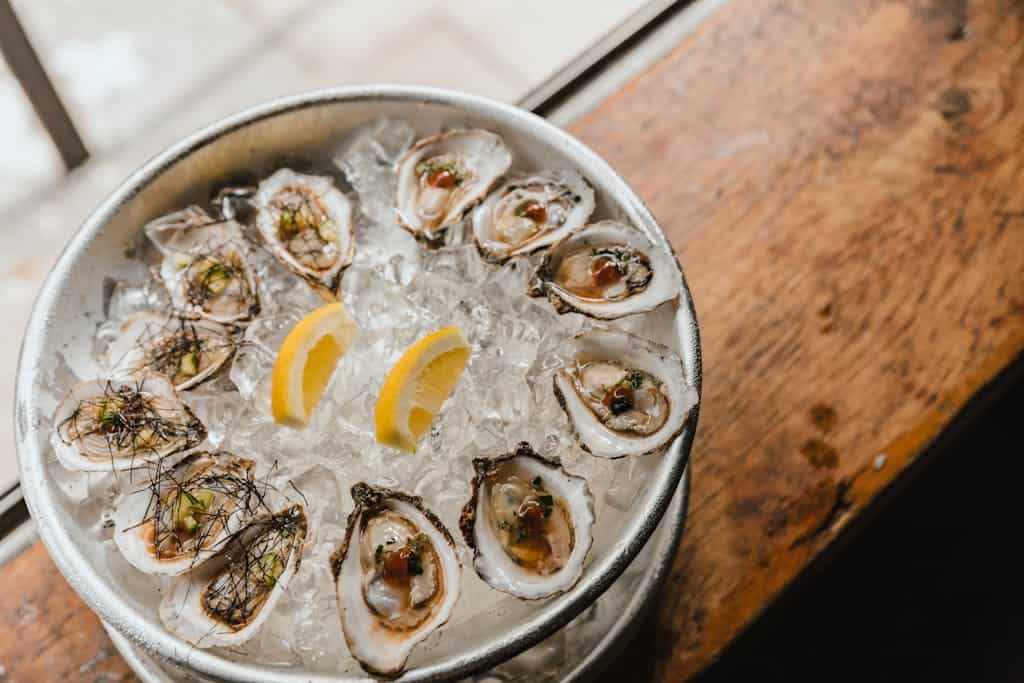
Six medium oysters pack up to 32mg of zinc—that’s over 200% of your daily requirement.
Research shows that zinc supplementation in deficient men can double testosterone levels within a few months. You don’t need oysters every day, but incorporating them once or twice weekly can make a real difference.

Healthy Fats: The Underrated Testosterone Boosting Foods
This is where people get it really wrong. For years, we were told to avoid fats, eat low-fat everything, and suddenly guys noticed their testosterone was in the toilet. Turns out, dietary fat is absolutely essential for hormone production.
Studies comparing low-fat diets (less than 20% calories from fat) to moderate-fat diets (around 40% from fat) consistently show that the moderate-fat approach results in higher testosterone levels. We’re talking about differences of 10-15% in some studies. That’s significant enough to feel in terms of energy, recovery, and body composition.
Extra virgin olive oil is one of my go-to testosterone boosting foods. The monounsaturated fats in EVOO support healthy hormone production, and there’s research suggesting that populations consuming Mediterranean diets (high in olive oil) have better hormonal profiles. Two to three tablespoons per day seems to be the sweet spot. I use it on salads, drizzle it over vegetables, or just take a spoonful straight up sometimes.
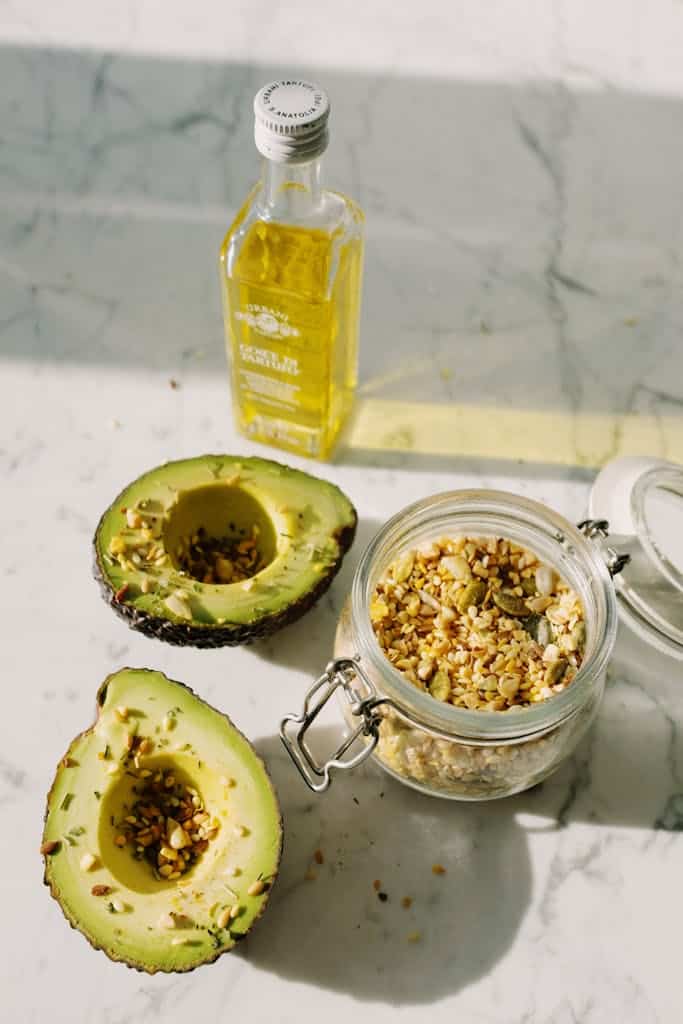
Avocados deserve their hype as testosterone boosting foods. One medium avocado provides about 20 grams of healthy monounsaturated fats, plus vitamin E, which acts as an antioxidant protecting your testosterone molecules from oxidative damage. The potassium content (about 700mg per avocado) also helps regulate blood pressure and supports overall cardiovascular health, which indirectly benefits hormone production.
Raw nuts are fantastic testosterone boosting foods, but you gotta be specific here. Brazil nuts are absolutely loaded with selenium – just two nuts give you your entire daily requirement (about 140 mcg). Selenium is crucial for testosterone production and protects against oxidative stress in the testes. Walnuts provide omega-3 fatty acids, and almonds give you vitamin E and magnesium. A small handful (about 1 ounce) daily is what the research supports.
For plant-based options, tahini (sesame seed paste) is an underrated addition to your testosterone boosting foods lineup. It’s rich in healthy fats, zinc, and magnesium. Two tablespoons provide about 3mg of zinc and 28mg of magnesium. I throw it in smoothies or make simple dressings with it.
Vegetables That Function as Testosterone Boosting Foods
Vegetables might not be the first thing you think of when considering testosterone boosting foods, but they play a crucial role in hormone balance through multiple mechanisms.
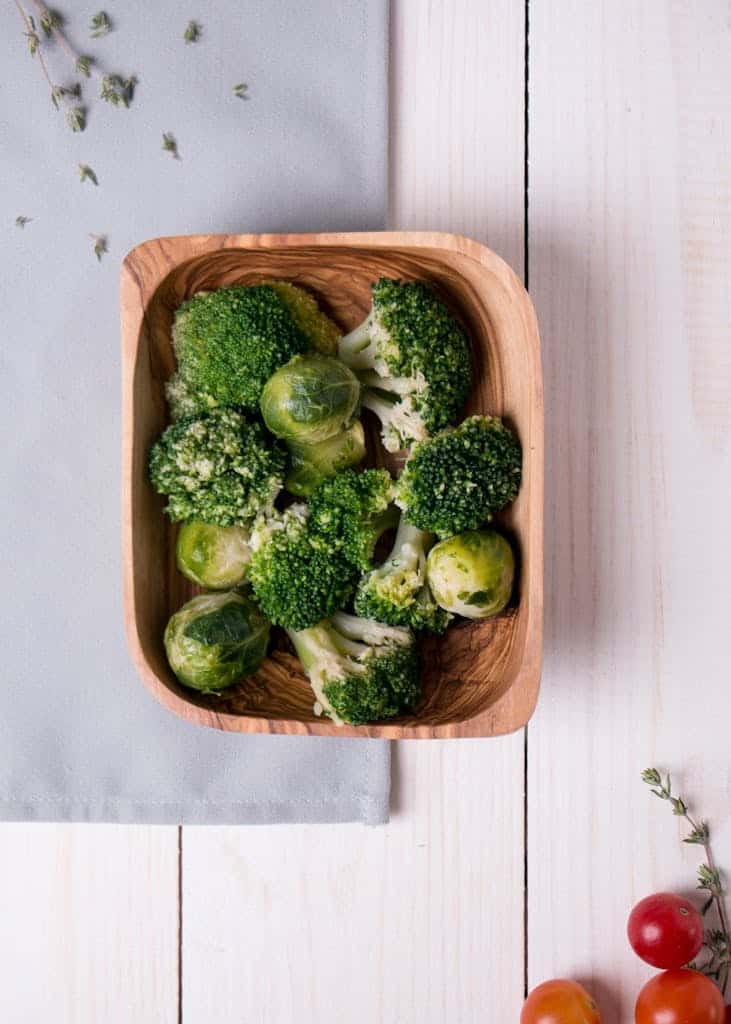
Cruciferous vegetables – broccoli, cauliflower, Brussels sprouts, and cabbage – contain a compound called indole-3-carbinol (I3C) that helps metabolize excess estrogen. When estrogen levels are too high relative to testosterone, you experience what’s called “estrogen dominance” which can suppress T-levels. The research shows that I3C supports the conversion of stronger forms of estrogen into weaker metabolites that your body can eliminate more easily.
You should aim for about 1-2 cups of cruciferous vegetables daily to see benefits. Lightly steaming them is better than boiling because you retain more of the beneficial compounds. Raw works too, but some people have trouble digesting them that way.
Leafy greens like spinach and Swiss chard are testosterone boosting foods primarily because of their magnesium content. One cup of cooked spinach provides about 157mg of magnesium, which is roughly 40% of your daily needs. Studies have shown that magnesium supplementation can increase both total and free testosterone levels, especially in men who exercise regularly. The mechanism involves magnesium reducing oxidative stress and improving insulin sensitivity.
Garlic and onions might seem random, but they’re legit testosterone boosting foods. Research in animal studies has shown that garlic increases luteinizing hormone (LH), which signals your testes to produce more testosterone. While human studies are more limited, the antioxidant and anti-inflammatory properties definitely support overall hormonal health. Plus, they make everything taste better, so that’s a win.
Fruits as Testosterone Boosting Foods
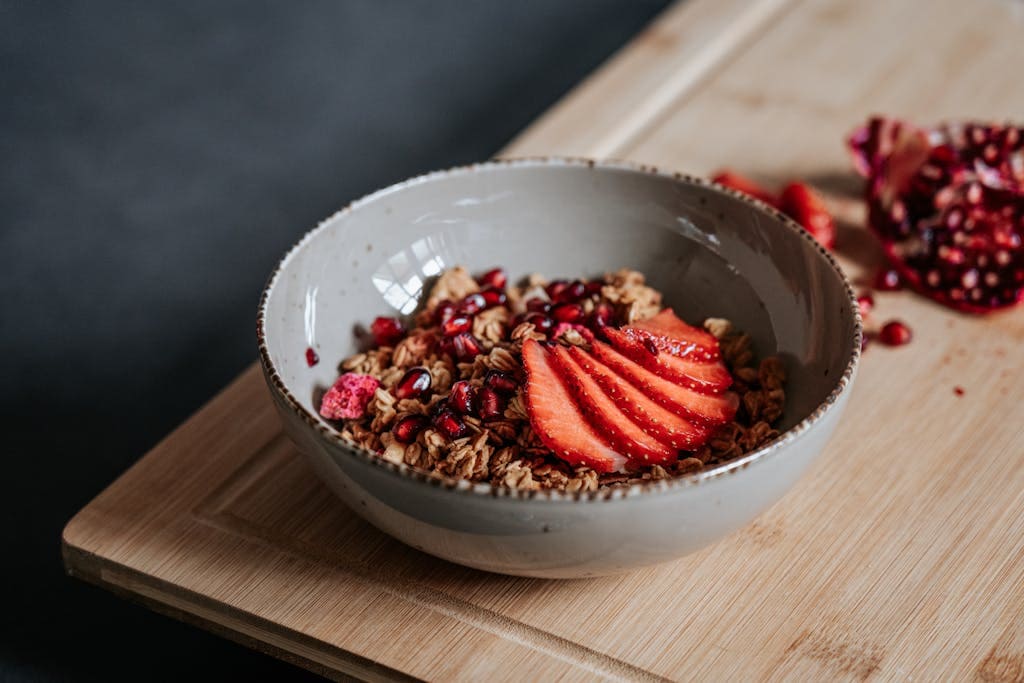
Pomegranates are probably the most researched fruit when it comes to testosterone. One study showed that drinking pomegranate juice daily for two weeks increased salivary testosterone by an average of 24%. That’s substantial. The antioxidants in pomegranates also improve blood flow, which has obvious benefits for male health. A cup of pomegranate seeds or 8 ounces of juice daily seems to be the effective dose based on research.
Berries – blueberries, strawberries, blackberries – function as testosterone boosting foods through their anti-inflammatory effects. Chronic inflammation suppresses testosterone production, and the anthocyanins in berries help reduce inflammatory markers. One cup daily gives you a solid dose of antioxidants without excessive sugar.
Bananas contain bromelain, an enzyme that some research suggests may help boost testosterone, though the evidence is less robust than for other foods on this list. They’re also rich in B vitamins and potassium which support energy production. One to two bananas per day is reasonable, especially around workouts.
Grapes (particularly red and purple varieties) contain resveratrol, which some studies suggest may boost testosterone and improve sperm quality. The research is still emerging, but a cup of grapes makes a decent snack and provides antioxidant benefits regardless.
Critical Minerals: Essential Testosterone Boosting Foods and Sources
We’ve mentioned some of these already, but let’s get specific about the micronutrients that make certain foods qualify as testosterone boosting foods.
Zinc is hands-down the most important mineral. The research consistently shows that zinc deficiency absolutely crushes testosterone production. You need about 11mg daily as a baseline, but if you’re training hard, you might need 15-20mg. Beyond oysters and beef, pumpkin seeds (2mg per ounce), chickpeas (2.5mg per cup cooked), and lentils (2.5mg per cup cooked) are solid plant-based sources.
Magnesium works synergistically with zinc. You’re targeting 400-420mg daily. Dark chocolate (64mg per ounce of 70% cacao or higher), black beans (120mg per cup), and cashews (82mg per ounce) are all excellent testosterone boosting foods for magnesium.
Vitamin D deserves special mention. While you can get it from fortified plant milks, mushrooms exposed to UV light, and fatty fish, most people need sun exposure or supplementation to maintain optimal levels (40-60 ng/mL for testosterone optimization). The research shows that bringing vitamin D from deficient to optimal levels can increase testosterone by 20-30%.
Selenium needs are small but mighty – just 55 mcg daily. Brazil nuts are king here, but sunflower seeds (19 mcg per ounce) and brown rice (19 mcg per cup) work for plant-based diets.
Boron is lesser-known but important. Studies show that 6mg daily can reduce SHBG (sex hormone binding globulin), which means more free testosterone available to your body. Raisins, prunes, avocados, and almonds all provide boron. This is one area where the research on testosterone boosting foods gets really interesting because boron’s effects can be pretty quick – some studies show changes within a week.
The Carbohydrate Factor in Testosterone-Boosting Foods
Here’s where the science gets interesting and challenges some common beliefs. You might think that extreme low-carb diets automatically tank your testosterone, but the research tells a more nuanced story.
A comprehensive 2022 systematic review analyzing 27 studies found that moderate-protein low-carb diets (less than 35% protein) had no consistent negative effect on testosterone levels. However, high-protein low-carb diets (35% protein or higher) caused a significant decrease in resting testosterone – we’re talking about a 37% drop, or roughly 5.23 nmol/L.
What does this mean practically? The problem isn’t going low-carb per se – it’s combining very low carbohydrates with excessively high protein. When protein intake exceeds 35% of total calories, it may outstrip your body’s urea cycle capacity to process nitrogen from amino acid breakdown, and testosterone appears to drop as a compensatory mechanism.
Most people eating naturally don’t hit these extreme protein levels anyway. Population studies show protein intake typically hovers around 15-17% of calories, likely due to natural appetite regulation. But if you’re following some aggressive bodybuilding protocol or online diet that pushes protein sky-high while slashing carbs, you could be inadvertently crushing your testosterone.
The best carbohydrate-containing testosterone boosting foods are complex carbs with fiber. Sweet potatoes provide resistant starch and loads of vitamin A – one medium sweet potato delivers over 400% of your daily vitamin A requirement, which supports reproductive health. Quinoa is unique because it’s a complete protein containing all essential amino acids, plus it provides magnesium and zinc. Old-fashioned oats offer beta-glucan fiber that helps regulate insulin sensitivity, which indirectly affects testosterone production.
Timing matters too. Consuming carbs around your workouts helps replenish glycogen and supports recovery, creating a hormonal environment that favors testosterone production. The post-workout window is particularly important for maintaining healthy testosterone levels in men who train regularly.
Here’s a reasonable approach: aim for roughly 30-50% of your calories from quality carbohydrates, 20-30% from protein, and the rest from healthy fats. This gives you enough carbs to fuel training and daily activity, adequate protein for muscle maintenance and growth, and sufficient fat for hormone production – without hitting those extreme ratios that can suppress testosterone.
Herbs and Spices: Potent Testosterone Boosting Foods
These might be used in small amounts, but several herbs and spices have legitimate research behind them as testosterone boosting foods.
Ginger has multiple studies showing it can increase testosterone, with some research indicating increases of up to 17% over three months. The mechanism involves reducing oxidative stress and increasing LH. Fresh ginger is more potent than dried – about 1-2 grams daily (roughly a half-inch piece) is what most studies use.
Turmeric, specifically its active compound curcumin, helps lower estrogen levels and reduce inflammation. The challenge with turmeric is absorption, which is why you should always consume it with black pepper (which contains piperine that increases absorption by 2000%). About 1-2 teaspoons of turmeric daily with a pinch of black pepper is supported by research.
Ashwagandha is an adaptogenic herb that reduces cortisol (stress hormone) which competes with testosterone. Studies show that 600mg daily can increase testosterone by 15-20% while reducing cortisol by a similar amount. You can find ashwagandha powder and add it to smoothies.
Fenugreek seeds have research showing they can block the enzyme that converts testosterone to estrogen. Studies using 500-600mg of fenugreek extract show improvements in strength, body composition, and sexual function. You can use fenugreek seeds in cooking or take them as a supplement.
What to Avoid: Anti-Testosterone Foods
Knowing which testosterone boosting foods to eat is only half the battle. You also need to know what kills your testosterone.
Processed foods with trans fats disrupt hormonal signaling. Research shows that trans fat intake is inversely correlated with testosterone levels – meaning the more trans fats you eat, the lower your T-levels. Check labels for “partially hydrogenated oils” and avoid them completely.
Excessive alcohol suppresses testosterone production directly in the testes. While moderate consumption (1-2 drinks a few times per week) probably won’t destroy your levels, heavy drinking absolutely will. Studies show that chronic alcohol use can decrease testosterone by 20-40%.
The soy debate is complicated, but here’s what the research actually shows: moderate consumption of whole soy foods (edamame, tempeh, miso) doesn’t seem to significantly impact testosterone in most men. However, highly processed soy products and isolated soy protein in large amounts might have mild estrogenic effects. I’d stick with fermented soy in moderation and avoid soy protein isolates.
High sugar intake creates insulin resistance, which is strongly associated with low testosterone. Men with metabolic syndrome and poor insulin sensitivity have significantly lower T-levels. Limiting added sugars to less than 25 grams per day helps maintain insulin sensitivity.
Vegetable oils high in omega-6 fatty acids (soybean, corn, cottonseed oil) create an inflammatory environment when consumed in excess. The optimal omega-6 to omega-3 ratio is somewhere between 4:1 and 1:1, but the Standard American Diet is often 20:1 or worse. Focus on the testosterone boosting foods rich in omega-3s instead.
Putting It All Together: A Practical Approach
The most powerful testosterone boosting foods are the ones you’ll actually eat consistently. Here’s a practical framework:
Daily priorities:
- 0.7-1 gram of protein per pound of body weight from quality sources (grass-fed beef, wild fish, eggs, hemp seeds, legumes)
- 2-3 tablespoons of extra virgin olive oil or equivalent healthy fats
- 1-2 cups of cruciferous vegetables
- 1-2 servings of zinc-rich foods (pumpkin seeds, oysters, beef, chickpeas)
- Magnesium-rich foods (dark leafy greens, nuts, dark chocolate)
- Adequate vitamin D (sun exposure, fatty fish, or supplementation)
Sample Day of Testosterone Boosting Foods
Here’s what a day of optimized eating looks like:
Breakfast (7:00 AM)
- 3 whole eggs cooked in coconut oil
- Spinach sautéed with garlic
- ½ avocado
- Mixed berries
What you’re getting: Cholesterol for hormone production, magnesium from spinach, healthy fats from avocado
Lunch (12:00 PM)
- Wild-caught salmon (6 oz)
- Quinoa (1 cup)
- Roasted Brussels sprouts with olive oil
- Mixed greens
What you’re getting: Vitamin D and omega-3s from salmon, complete protein from quinoa, estrogen metabolism support from Brussels sprouts
Afternoon Snack (3:00 PM)
- 2 Brazil nuts + handful of walnuts
- Dark chocolate (1 oz, 70%+ cacao)
What you’re getting: Full day’s selenium from Brazil nuts, omega-3s from walnuts, magnesium from dark chocolate
Dinner (6:30 PM)
- Grass-fed beef stir-fry (6 oz)
- Broccoli + cauliflower + onions
- Sweet potato
What you’re getting: Zinc from beef, cruciferous vegetables for hormone balance, resistant starch from sweet potato
Evening (8:00 PM)
- 8 oz pomegranate juice or whole pomegranate
What you’re getting: 24% testosterone boost potential (based on research showing 2-week results)
Plant-Based Alternative:
- Swap salmon → Hemp-crusted tofu
- Swap beef → Tempeh or hearty lentil dish
- Add extra pumpkin seeds for zinc
- Ensure adequate zinc from chickpeas and legumes
This approach gives you all the key nutrients: zinc, magnesium, selenium, vitamin D, healthy fats, and quality protein.
Timeline and Expectations
Here’s the reality check: testosterone boosting foods aren’t magic.
If You’re Eating Poorly Now:
Timeline: 4-6 weeks for initial changes
What you’ll notice: Better energy, improved recovery, enhanced mood
For Measurable Results:
Timeline: 8-12 weeks of consistent dietary changes
What blood work shows: 10-30% increase in testosterone levels
What a 10-30% Increase Means:
Going from 400 ng/dL to 520 ng/dL might not sound huge, but it makes a massive difference in how you feel:
✅ Better energy throughout the day
✅ Improved recovery from workouts
✅ Enhanced libido
✅ Easier time building muscle
✅ Better mood and motivation
The Multiplier Effect:
Testosterone boosting foods work best when combined with:
- Strength training (especially heavy compound lifts)
- 7-9 hours of quality sleep
- Stress management
- Body fat under 20%
These factors are synergistic—each one amplifies the others.
When to Get Blood Work:
If you’ve optimized your diet for three months and still have symptoms of low testosterone, get tested.
Look for:
- Total testosterone: 500-900 ng/dL
- Free testosterone: Upper end of reference range
Sometimes there are underlying issues diet alone can’t fix. That’s when working with a healthcare provider makes sense.
What foods boost testosterone the most?
The foods that boost testosterone the most are oysters (32mg zinc per 6 oysters), grass-fed beef (6mg zinc per 4oz), wild-caught fatty fish like salmon (vitamin D and omega-3s), whole eggs (cholesterol for hormone production), Brazil nuts (140mcg selenium in 2 nuts), extra virgin olive oil (2-3 tbsp daily), and cruciferous vegetables like broccoli and cauliflower. Research shows these foods can increase testosterone by 10-30% when consumed consistently over 8-12 weeks.
Do eggs really increase testosterone?
Yes, whole eggs can increase testosterone because the yolk contains cholesterol, which your body uses as raw material for making testosterone. One large egg has about 186mg of cholesterol. Despite old myths, dietary cholesterol doesn’t significantly impact blood cholesterol for most people—the research on this has completely flipped in the last decade. Eggs also provide vitamin D, B vitamins, and complete protein with all essential amino acids that support hormone production.
How long does it take for food to increase testosterone?
Most men see measurable changes in testosterone levels within 8-12 weeks of consistent dietary optimization. Some people notice improvements in energy and recovery within 4-6 weeks. Research suggests you can expect a 10-30% increase in testosterone through dietary changes alone. Blood work typically shows the most accurate improvements after 12 weeks. Results work best when combined with strength training, 7-9 hours of sleep, and stress management.
What foods kill testosterone?
Foods that lower testosterone include processed foods with trans fats (partially hydrogenated oils), excessive alcohol (chronic use can decrease testosterone by 20-40%), high sugar intake that creates insulin resistance, vegetable oils high in omega-6 fatty acids (soybean, corn, cottonseed oil), and highly processed soy protein isolates in large amounts. Limiting added sugars to under 25 grams daily and avoiding trans fats completely helps maintain healthy testosterone levels.
Does protein help testosterone?
Yes, adequate protein intake supports testosterone production by maintaining lean muscle mass, which signals your body to produce more testosterone. However, research shows that extremely high protein (35% or more of total calories) combined with very low carbs can actually decrease testosterone by 37%. The optimal approach is 0.7-1 gram of protein per pound of body weight from quality sources like grass-fed beef, wild fish, eggs, hemp seeds, and legumes, combined with adequate carbohydrates and healthy fats.
Are bananas good for testosterone?
Bananas contain bromelain, an enzyme that some research suggests may help boost testosterone, though the evidence is less robust than for other foods. They’re also rich in B vitamins and potassium (about 400mg per banana) which support energy production and overall health. One to two bananas per day is reasonable, especially around workouts. However, bananas are not among the most powerful testosterone boosting foods compared to oysters, beef, or cruciferous vegetables.
Do testosterone boosting foods actually work?
Yes, testosterone boosting foods are backed by legitimate research. Studies show that dietary optimization can increase testosterone levels by 10-30% over 8-12 weeks. Specific research demonstrates that zinc supplementation can double testosterone in deficient men, adequate vitamin D increases testosterone by 20-30%, pomegranate juice increased testosterone by 24% in one two-week study, and moderate-fat diets (40% of calories from fat) result in 10-15% higher testosterone than low-fat diets. These are measurable, research-backed effects.
What vegetables increase testosterone?
Vegetables that increase testosterone include cruciferous vegetables (broccoli, cauliflower, Brussels sprouts, cabbage) which contain indole-3-carbinol that helps metabolize excess estrogen, leafy greens like spinach and Swiss chard (157mg magnesium per cup cooked which supports testosterone production), garlic and onions (increase luteinizing hormone that signals testosterone production), and any vegetables rich in antioxidants that reduce inflammation. Aim for 1-2 cups of cruciferous vegetables daily for optimal benefits.
Does low carb lower testosterone?
Moderate low-carb diets (with less than 35% protein) do not consistently lower testosterone according to a 2022 systematic review of 27 studies. However, combining very low carbohydrates with extremely high protein (35% or more of calories) can decrease testosterone by 37%. The problem isn’t going low-carb—it’s the extreme combination of slashed carbs and sky-high protein. A reasonable approach is 30-50% calories from carbs, 20-30% from protein, and the rest from healthy fats for optimal testosterone production.
How much can diet increase testosterone?
Research suggests dietary optimization alone can increase testosterone by 10-30% over 8-12 weeks of consistent changes. For example, going from 400 ng/dL to 520 ng/dL represents a 30% increase and can make a massive difference in energy, recovery, libido, and muscle building. The increase depends on your starting point—men with poor diets see larger improvements than those already eating well. Diet works best combined with strength training, adequate sleep, and maintaining body fat under 20%.
Conclusion
The bottom line is this: testosterone boosting foods are a legitimate, research-backed way to support healthy hormone levels naturally. You’re not gonna turn into a superhuman overnight, but consistent dietary choices focused on nutrient-dense whole foods can legitimately move the needle on your testosterone levels. If you want to know how to boost testosterone naturally, start with the basics – adequate protein, healthy fats, plenty of vegetables, and key micronutrients – and build from there. Your body will thank you.
About the Author

Steph Swarts, RMT, CNP
Steph Swarts is a registered massage therapist and certified naturopathy practitioner with 17+ years of clinical experience helping clients optimize their health through evidence-based supplementation and holistic wellness strategies.
Professional Credentials:
- Registered Massage Therapist (RMT) – Licensed in Ontario, Canada
- Certified Naturopathic Practitioner (CNP)
- Raindrop Technique Practitioner (RTP)
- 17+ years in clinical practice
- Specialized training in Prenatal Massage Therapy
Clinical Expertise:
“As a healthcare professional with naturopathic training, I evaluate supplements using the same rigorous standards I apply in client care. My recommendations prioritize:
✅ Safety: Thorough evaluation of quality and purity
✅ Evidence: Backed by peer-reviewed research
✅ Clinical relevance: Real-world effectiveness for performance and recovery
✅ Professional standards: Third-party testing and manufacturing quality
Over 17+ years, I’ve guided hundreds of clients through their health journey, injury recovery, and overall wellness. Every recommendation reflects my professional commitment to evidence-based natural health.
Professional Memberships:
- Registered Massage Therapist with CMTO
- Member of RMTAO
- Certified Naturopathy Practitioner with NCCAP, CPD, and CMA
- Raindrop Technique Practitioner with Institute Of Energy Wellness Studies
📧 Contact: stephaniejswarts.rmt@gmail.com
🌐 Website: www.stephswarts.com
📱 Social: https://www.facebook.com/StephanieJSwarts
Professional Disclaimer: Information provided is for educational purposes based on clinical expertise and current research. This does not replace individualized medical advice. Consult your healthcare provider before starting any supplement regimen, especially if you have pre-existing conditions or take medications.