**By Steph Swarts, RMT, CNP** *Registered Massage Therapist | Certified Naturopathic Practitioner* 📅 Last Updated: December 21, 2025 ✅ Evidence-based recommendations from a licensed healthcare professional
Did you know that 84% of pregnant women experience back pain during their pregnancy journey? If you’re expecting and feeling the physical toll of carrying your little one, you’re definitely not alone! Maternity massage has emerged as one of the most effective, natural ways to find relief during this incredible – yet physically demanding – time in your life.
As your body transforms to nurture new life, the aches, pains, and discomfort can feel overwhelming. But here’s the good news: prenatal massage isn’t just a luxury anymore. It’s becoming an essential part of prenatal care that healthcare providers actively recommend! From reducing swelling to improving sleep quality, maternity massage offers expecting mothers a safe haven of relaxation and therapeutic relief.
Main Points:
1. What Is Maternity Massage? Understanding Prenatal Massage Therapy
2. Incredible Benefits of Massage During Pregnancy
3. When to Start Maternity Massage: Trimester-by-Trimester Guide
4. Safe Massage Techniques and Positions
5. Safety Guidelines and Precautions
6. DIY Maternity Massage: Self-Care Techniques at Home
What Is Maternity Massage? Understanding Prenatal Massage Therapy
When I first learned basic prenatal massage in college, I’ll be honest – I thought it was just regular but lighter massage with maybe a few pillows thrown in for comfort. Boy, was I wrong! After years of working with expectant mothers, I’ve learned that maternity massage is actually a completely specialized field that requires specific training, techniques, and a deep understanding of pregnancy physiology.
And unless the massage therapist does have a deeper understanding of prenatal massage, it’s a little bit intimidating. Even worse, the fear often shows to the client loud and clear that the massage therapist is not very confident while giving the treatment.
So what exactly is maternity massage? It’s a therapeutic bodywork specifically designed for pregnant women that addresses the unique physical and emotional changes happening during pregnancy. Unlike your typical Swedish massage, maternity massage focuses on reducing pregnancy-related discomfort, improving circulation, and supporting the body as it adapts to carrying a growing baby.
Anatomical knowledge is required with massage in general, but with maternity massage, you’re not just dealing with tight shoulders or a sore back – you’re working with a body that’s experiencing hormonal shifts, postural changes, and increased blood volume.
The hormone relaxin, for instance, loosens ligaments throughout the body, which means techniques that work great on non-pregnant clients might be too intense for expecting mothers. The mother’s body temperature can also change in a hurry, so being ready and observing the signs to know how to assist in making her as comfortable as possible is very important.
The thing is, any certified massage therapist can give prenatal massage, as we all learn the basics of it in massage therapy college. However, as I evolved in my career, I was able to confidently open Lakeside Prenatal Massage after taking Maternity Massage Specialist Training, which showed me how to properly run a massage business (something I didn’t learn much about in college)!
Certification Requirements You Need to Know
Getting properly certified in maternity massage was one of the best investments I made in my practice. My massage therapy college went over basic prenatal massage, but the prenatal massage course I took dramatically improved my confidence to treat pregnant women. We covered everything from preeclampsia warning signs to understanding deep vein thrombosis during pregnancy. Recognizing when something doesn’t seem right and when to refer clients to their healthcare providers is vital.
Incredible Benefits of Massage During Pregnancy

I’ve got to say, watching clients experience the benefits of maternity massage firsthand never gets old. There’s something really special about seeing a woman who walked in exhausted and achy leave feeling like she can actually move again. After working with countless pregnant clients over the years, I’ve seen these benefits play out in ways that honestly surprised me when I first started specializing in prenatal work.
Pain Relief That Actually Works
The most immediate benefit I see with maternity massage is pain relief, especially for that lower back pain that seems to hit every pregnant woman around the second trimester. The growing belly shifts the center of gravity forward, which puts incredible strain on the lumbar spine and hip flexors. I use specific techniques to address the psoas muscle and quadratus lumborum – these deep stabilizing muscles get overworked during pregnancy and respond really well to targeted massage work.
Hip pain is another big one. As the pelvis widens to prepare for delivery, the sacroiliac joints can become unstable and painful. I’ve found that working the piriformis muscle and other deep hip rotators, combined with some gentle myofascial release techniques, can provide significant relief.
Joint discomfort throughout the body increases during pregnancy thanks to that relaxin hormone I mentioned earlier. It literally loosens up ligaments to prepare for childbirth, but the side effect is that joints become less stable. Maternity massage helps support these areas by improving muscle tone and reducing compensatory tension patterns.
Circulation and Swelling Relief
The circulation benefits of maternity massage are pretty incredible. During pregnancy, blood volume increases by about 40-50%, but the growing uterus can compress major blood vessels, leading to poor circulation in the legs and feet. I use specific lymphatic drainage techniques that follow the natural flow of the lymphatic system to help reduce that uncomfortable swelling.
The improved circulation also helps with those annoying leg cramps that many women experience, especially at night. Better blood flow means better oxygen and nutrient delivery to muscles, which reduces cramping and that restless leg feeling.
Stress and Anxiety Management
Pregnancy can be emotionally overwhelming, and I’ve seen how much maternity massage helps with stress reduction. The parasympathetic nervous system activation that happens during massage is particularly beneficial for pregnant women who are dealing with hormonal fluctuations and the natural anxiety that comes with expecting a baby.
Research shows that massage therapy can reduce cortisol levels by up to 31%, which is huge during pregnancy when chronic stress can actually affect fetal development. Studies conducted by the Touch Research Institute at the University of Miami School of Medicine have found that women who received massage therapy reported decreased depression, anxiety, and leg and back pain, and I’ve had clients tell me that their maternity massage sessions are the only time during the week when they can completely turn off their racing minds and just focus on relaxation.
The anxiety management aspect is something I didn’t expect to see so dramatically. Many first-time mothers especially carry a lot of tension about the unknowns of pregnancy and childbirth. Having that dedicated time for self-care and relaxation seems to help them process these feelings in a healthier way.
One of the greatest stress relievers for my husband and I during our first pregnancy was hiring a doula and a good group of midwives who offered childbirth classes. The classes went into depth of how the woman’s body actually works and allowed us to shift our minds on the fact that the woman’s body was designed for this very thing and wasn’t something to fear.
Sleep Quality Improvements
This might be the benefit that clients mention most often after their sessions. Pregnancy insomnia is real – between the physical discomfort, frequent bathroom trips, and racing thoughts, many women struggle to get quality sleep. Maternity massage helps on multiple levels here.
First, the pain relief alone helps women find comfortable sleeping positions. When your hips and back aren’t screaming at you, it’s much easier to fall asleep. But there’s also a neurological component – massage increases serotonin and dopamine levels while decreasing cortisol, which naturally promotes better sleep patterns.
Hormonal Balance and Mood Benefits
The hormonal changes during pregnancy are intense, and maternity massage can help stabilize some of these fluctuations. Massage therapy has been shown to increase levels of feel-good hormones like serotonin and dopamine while reducing stress hormones like cortisol and norepinephrine.
I’ve worked with clients dealing with prenatal depression and anxiety, and while massage isn’t a cure-all, it’s definitely a helpful component of their overall treatment plan. According to research published by the American Pregnancy Association, the mood enhancement effects seem to be cumulative – clients who receive regular maternity massage sessions report more stable moods overall.
The oxytocin release that happens during massage is particularly beneficial during pregnancy. This “bonding hormone” not only helps with mood but also strengthens the connection between mother and baby. It’s pretty amazing how this simple touch therapy can have such profound effects on brain chemistry.
Labor and Delivery Preparation
One of the coolest aspects of maternity massage is how it can help prepare the body for labor. Regular massage during pregnancy helps maintain flexibility in the pelvic floor muscles and surrounding tissues, which can contribute to easier delivery.
I teach clients self-massage techniques they can use during labor, particularly for the lower back and hips. Having that familiarity with touch and pressure can be really helpful when they’re dealing with labor pain. Partners often learn some basic techniques too, so they feel more involved and helpful during the birthing process.
The relaxation skills that clients develop during their maternity massage sessions often carry over into labor. Learning to breathe deeply and release muscle tension becomes second nature, which can make the entire birthing experience less stressful.
Bonding and Self-Care Benefits
There’s something really special about the bonding aspect of maternity massage. For many women, this might be the only time during their busy day when they’re completely focused on themselves and their growing baby.
The self-care component is huge too. Pregnancy can be all-consuming, and many women feel guilty taking time for themselves. But maternity massage provides that permission to prioritize their own wellbeing, which ultimately benefits both mom and baby.
I’ve noticed that clients who receive regular maternity massage during pregnancy often continue with postpartum massage and become advocates for self-care in general. It’s like it gives them permission to prioritize their health and wellbeing in a way they maybe hadn’t before.
The benefits of maternity massage extend way beyond just feeling good in the moment. It’s preventive care, emotional support, and preparation for one of life’s biggest transitions all rolled into one. Every session reminds me why I love this work so much – there’s nothing quite like helping someone navigate pregnancy with more comfort and confidence.
When to Start Maternity Massage: Trimester-by-Trimester Guide
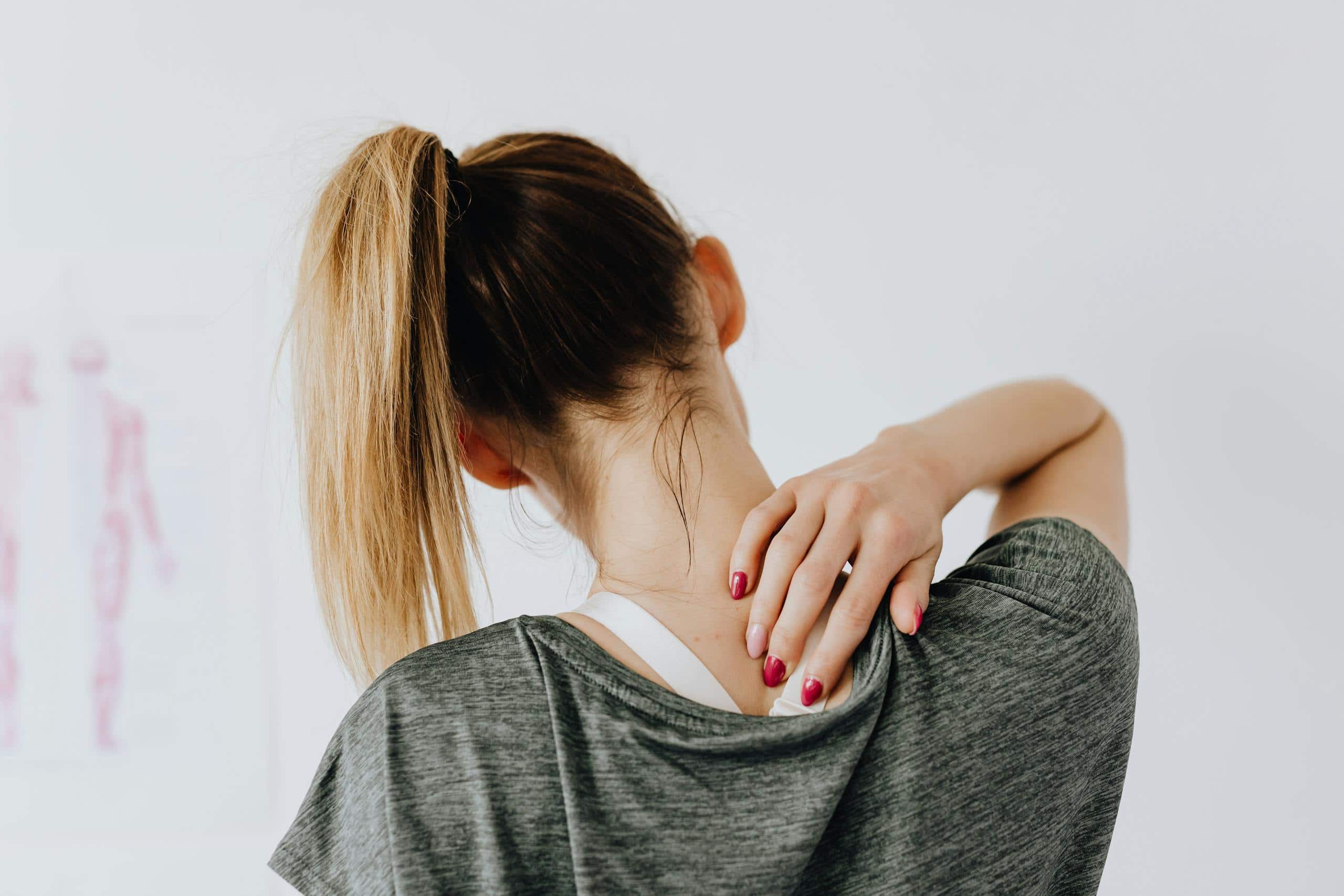
One of the most common questions I get from new clients is “When should I start maternity massage?” and honestly, the answer isn’t as straightforward as you might think. Over the years, I’ve learned that timing really depends on individual circumstances, comfort levels, and sometimes just plain old morning sickness tolerance. Let me walk you through what I’ve discovered works best for each stage of pregnancy.
First Trimester: Proceed with Caution (But Don’t Skip It)
One of the very first clients I treated after my schooling was a pregnant woman in her first trimester. She came to the clinic where I worked in tears, asking if anyone would treat her sciatica as she was in unbearable pain. She had been told no somewhere else as they told her they did not treat pregnant women in the first trimester. I immediately said yes, I could treat her becuase my school actually did teach us to treat in the first trimester, so I was confident in this.
I ended up helping her sciatica pain go away, and she became a regular client. I have come to discover the real reason so many have been taught not to treat in the first trimester is because generally the first trimester is when there are a lot of inevitable miscarriages, and in order to not be blamed or held liable, massage therapists have just denied treating in this phase. However, maternity massage can actually be incredibly beneficial during those tough first few months – you just need to know what you’re doing.
The biggest consideration during the first trimester is that this is when the risk of miscarriage is highest, typically in the first 12-13 weeks. Now, there’s absolutely no evidence that massage causes miscarriage, but many practitioners prefer to be extra cautious during this time. I always require medical clearance from the client’s healthcare provider before working with anyone in their first trimester.
Morning sickness is probably the biggest practical challenge during early pregnancy massage sessions. I also have clients with bad reflux during pregnancy; however, during their prone massage (using my special prenatal bodyCushions), this sometimes seems to disappear during the duration of the massage. This may not be the case for everyone though.
Breast tenderness can be another first-trimester issue that affects positioning. My special bodyCushions have a pillow that addresses this. For the most part, my clients love the prone position with the bodyCushions, which gives them a weightless type of feeling. But for those who don’t seem to tolerate it as well, a comfortable side-lying position is best.
The techniques I use during first trimester maternity massage are whatever the client requests for the most part, and always non-deep tissue work over the legs. Light Swedish massage strokes, gentle stretching, and relaxation-focused work tend to work best.
Second Trimester: The Sweet Spot
Around week 14-15, most clients hit what I call the “maternity massage sweet spot.” The morning sickness has usually subsided, energy levels are higher, and the belly isn’t so large that positioning becomes challenging.
The second trimester is when those postural changes really start showing up. The growing belly pulls the center of gravity forward, causing that classic pregnant posture – head forward, shoulders rounded, increased lower back curve. The hip flexors and glutes often need attention during this time as the pelvis starts adapting to the growing baby. This is when maternity massage can be most preventive, addressing these changes before they become really painful.
It is contraindicated to have clients lie flat on their back after the first trimester due to potential compression of the vena cava – the major vein that returns blood to the heart. A simple technique is to use a pillow under the right hip so the client is slightly tilted. I have evolved to use a large wedge so the client is on an incline while lying on their back.
This is also when I start teaching clients some self-care techniques they can use at home. Simple stretches, tennis ball massage for the feet, and partner massage techniques for the lower back, to name a few. Getting into these habits during the second trimester means they’ll be more comfortable using them later when the discomfort really ramps up.
Third Trimester: Maximum Benefit
The benefits during third trimester are honestly incredible. Many clients are dealing with significant lower back pain, hip discomfort, swollen feet and ankles, and difficulty sleeping. Maternity massage addresses all of these issues. I use specific techniques for the piriformis muscle (which often gets tight from the changing pelvic alignment) and gentle lymphatic drainage for swelling.
Sciatica is really common during the third trimester, and I’ve developed some go-to techniques for addressing this. Working the piriformis, glute medius, and tensor fasciae latae muscles can provide significant relief. I also teach clients some stretches they can do at home to help manage symptoms between sessions.
Postpartum: Don’t Stop Now
Here’s something that surprised me when I first started doing maternity massage – the benefits don’t stop after delivery! Postpartum massage is incredibly valuable but often gets overlooked because new moms are so focused on baby care.
The physical recovery from childbirth involves a lot of the same issues we address during pregnancy – postural changes from breastfeeding, sleep deprivation, and muscle tension. Plus, there are new challenges like upper back and neck tension from constantly looking down at the baby, and wrist or shoulder pain from all that lifting and carrying.
Assuming everything went well with delivery, massage can resume immediately as long as there are no contraindications from the midwife or doctor. If a C-section occurred, waiting at least 6 weeks or longer for the incision to heal completely may be suggested by your doctor.
Postpartum maternity massage sessions often focus heavily on the upper body – neck, shoulders, and arms get a lot of attention. The abdominal muscles are slowly coming back together, and gentle work can help support this process. I’m always careful about the diastasis recti (abdominal separation) and modify techniques accordingly.
Frequency Recommendations That Actually Work
Over the years, I’ve found that consistency matters more than frequency when it comes to maternity massage. I’d rather see a client every three weeks regularly than have them come in randomly when they’re in crisis mode.
During the first trimester, if clients are comfortable with massage, I usually recommend monthly sessions. This helps establish the routine and provides stress relief during what can be an anxious time.
Second trimester is when I typically recommend increasing to every 2-3 weeks. This is when the postural changes are developing, and regular sessions can help prevent problems from becoming severe.
Third trimester clients often benefit from weekly sessions, especially in the last month. The discomfort level is usually at its peak, and more frequent sessions help manage pain and prepare the body for delivery.
I always tell clients that these are just guidelines – some women need more frequent sessions, others do fine with less. Budget, schedule, and individual comfort levels all play a role in determining the right frequency.
The key thing I’ve learned is that maternity massage isn’t a luxury – it’s preventive healthcare. Starting early and maintaining consistency throughout pregnancy provides the best outcomes for both mom and baby. Every trimester brings different challenges and benefits, but the common thread is that therapeutic touch can make this incredible journey more comfortable and enjoyable.
Safe Massage Techniques and Positions
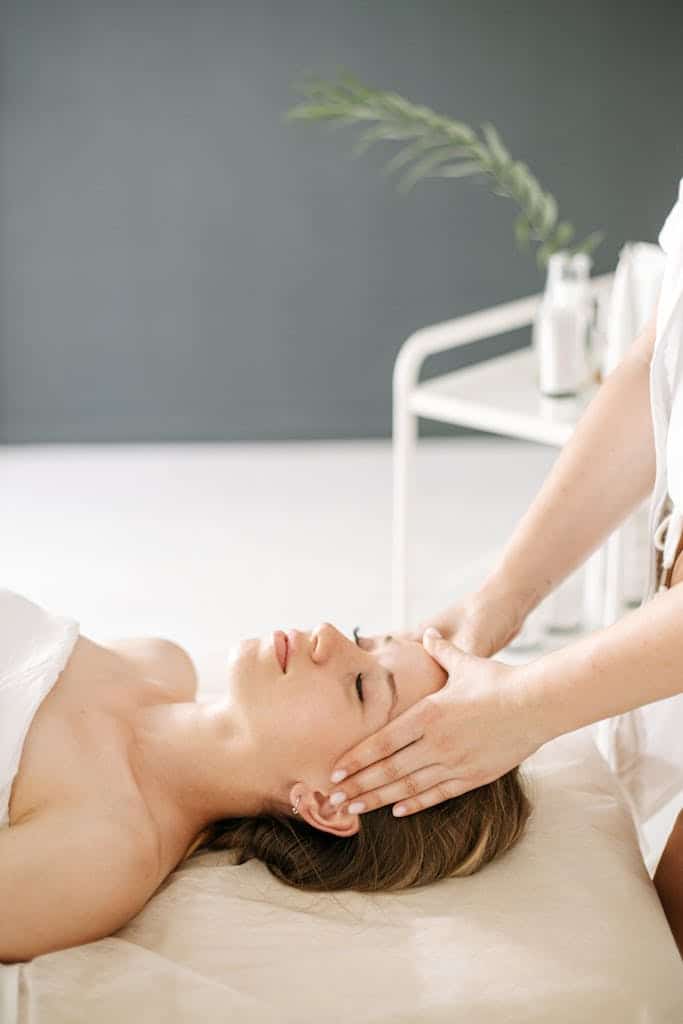
Side-Lying: The Foundation of Safe Maternity Massage
Side-lying positioning is how I was taught to massage pregnant women. For this position, a thick pillow is used between the knees to keep the hips aligned, and a smaller pillow under the belly for additional support. The top arm rests on a pillow too, which prevents the shoulder from rolling forward and creating tension in the neck. As well, the neck has it’s own pillow. If using bodyCushions, the Maternity Massage Specialists Certification training shows you a comfortable side-lying position using these pillows.
Prone Positioning with bodyCushions
Here’s where my practice really changed – investing in a bodyCushion system for pregnant clients. These specialized cushions have cutouts that allow women to lie face-down comfortably throughout most of their pregnancy. They’ve been a game-changer.
The bodyCushion system has adjustable breast and belly supports that accommodate different body types and stages of pregnancy. Most clients can use this positioning safely through their second trimester, and some well into their third trimester, depending on their comfort level. It’s amazing how much better I can work the back muscles when I have proper positioning and access.
The key with bodyCushion work is making sure everything is properly adjusted before, and readjusted if needed, after the client gets on the table. The breast and belly supports are to be adjusted and I always check in frequently during the session. Most all of my clients love it, others need side-lying – it really depends on individual comfort levels.
One thing I’ve noticed is that clients who use the bodyCushion positioning often get better relief from their back tension. Being able to work the muscles with proper body mechanics makes such a difference in the quality of treatment I can provide.
Modified Swedish Techniques That Work
Regular Swedish massage techniques may need modifications for pregnant clients because what feels good to a non-pregnant client might be too intense for someone dealing with increased sensitivity and looser ligaments from relaxin. I ask before the treatment and again throughout the treatment if my pressure is too much or not enough.
Gentle Pressure Point Work
There are certain acupressure points that are traditionally avoided during pregnancy because they’re thought to potentially stimulate uterine contractions. However, I have discovered the research is mixed on this, as it would take hours of consistent pressure point work on those points to create uterine contractions. Think of it this way, if it were so easy to put women into labour, wouldn’t pressure point work be a staple induction technique?
Lymphatic Drainage for Swelling
Pregnancy increases blood volume by about 50%, and that extra fluid combined with pressure from the growing uterus can cause significant swelling, especially in the lower extremities.
Lymphatic drainage technique is completely different from regular massage – much lighter pressure, following specific pathways, and working toward lymph nodes rather than toward the heart like in traditional massage. I start distally and work proximally, using gentle pumping motions or strokes.
For leg swelling, I begin at the feet and work up toward the inguinal lymph nodes. The pressure is so light it almost feels like I’m not doing anything, but clients consistently report significant reduction in swelling after these sessions. I teach them to elevate their legs afterward and drink plenty of water.
Hand and wrist swelling responds really well to lymphatic techniques too. Some pregnant women develop carpal tunnel symptoms from fluid retention, and gentle lymphatic work combined with some basic stretches can provide substantial relief.
Equipment That Makes All the Difference
Besides the bodyCushions I mentioned, having the right support equipment is essential for safe maternity massage. You could invest in high-quality bolsters of different sizes and densities, firm bolsters for structural support, or softer ones for comfort areas.
Wedge pillows are crucial for any supine positioning. Even if only working on arms or doing some gentle stretching, using a wedge to keep clients tilted slightly to one side is important. This prevents any potential vena cava compression while still allowing some face-up positioning.
The other option, which I have switched to, is using a large wedge pillow to prop up the client. This position is the ultimate comfortable position and an absolute favourite of all my prenatal clients. I was trained to do this in the Maternity Massage Specialist Certification training and recommend this proper training to ensure you are confident in how to properly position.
Temperature control equipment is important too. Pregnant women often run warmer than usual, so I keep my room slightly cooler and have a fan available if needed. I use my cooler sheets and lighter blanket with prenatal clients, offering to remove the blanket if needed. Overheating during pregnancy can be dangerous, so monitoring client comfort throughout the session is essential.
Safety Guidelines and Precautions
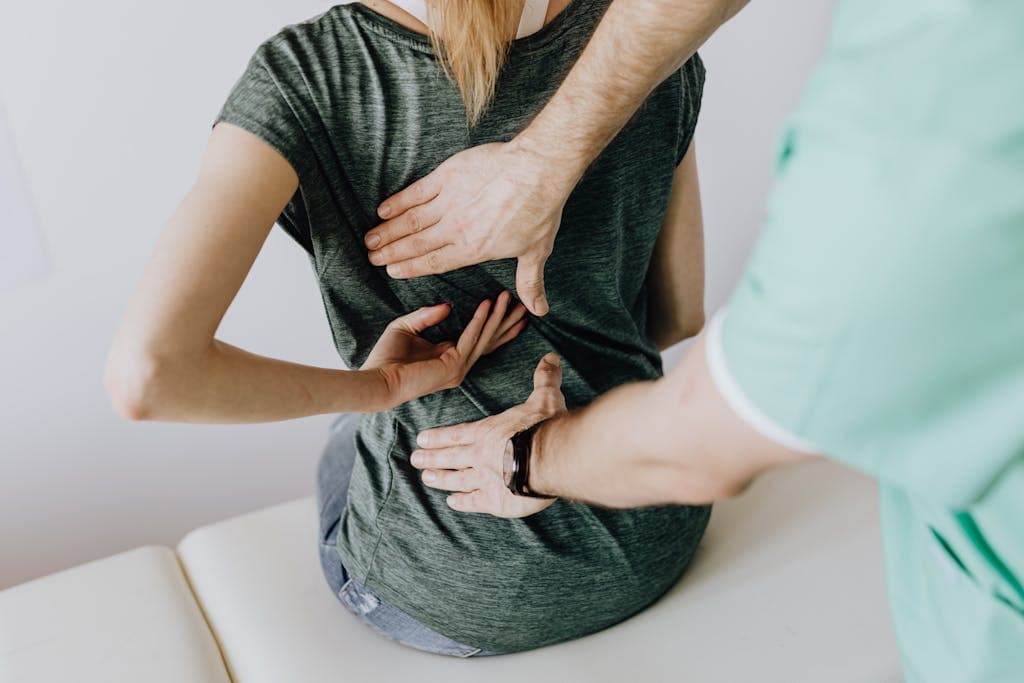
Understanding safety considerations and positioning techniques is important and something I learned in the Maternity Massage Specialist Certification training I took.
Mastering safe maternity massage techniques has made this specialization so much more rewarding. When you can provide confident and effective treatment while maintaining complete safety for both mom and baby, it reinforces why this work is so important.
Areas to Avoid Deep Pressure
Any area where there are varicose veins gets modified treatment. Pregnancy can worsen existing varicose veins or cause new ones to develop. I never work directly on varicose veins and use only very light pressure in the surrounding areas.
You also would never do deep abdominal work. I am often asked to help with rib pain that wraps around the front. I will work on the intercostal muscles with mild pressure, but directly over the abdomen, I use light circular motions only.
Medical Conditions That Need Doctor’s Approval
High-risk pregnancies need medical clearance for pregnancy massage – including things like placenta previa, preeclampsia, or a history of preterm labour. But there are other conditions that might not seem directly related to maternity massage that still require physician approval.
Gestational diabetes is one I see fairly often. While maternity massage can actually be beneficial for circulation and stress management, I need to know how well controlled the condition is and if there are any circulation issues.
Any history of blood clots or deep vein thrombosis is an absolute requirement for medical clearance. Pregnancy increases clotting risk naturally, and massage can affect circulation. I’ve learned to ask specifically about leg pain, swelling that’s worse on one side, or any redness or warmth in the legs – all potential signs of clotting issues.
Previous pregnancy complications matter too. If someone had preeclampsia, gestational hypertension, or preterm labor in a previous pregnancy, their current healthcare provider needs to weigh in on whether maternity massage is appropriate. Every pregnancy is different, but history definitely influences current risk factors.
Warning Signs That Stop Sessions Immediately
There are certain symptoms which you should stop the maternity massage session right away, no questions asked. Severe headache is a big one – it could be a sign of preeclampsia, especially if it’s accompanied by vision changes or upper abdominal pain. In this case, encourage the client to contact their healthcare providers immediately.
Sudden swelling, especially if it’s asymmetrical or in the face and hands, is another immediate stop sign. Normal pregnancy swelling develops gradually and affects both sides equally. Rapid or one-sided swelling could indicate a serious problem.
Any bleeding or cramping during a session means you need to stop immediately.
Dizziness or feeling faint can happen during pregnancy massage, especially if positioning isn’t quite right. If a client starts feeling lightheaded, I immediately help them to a side-lying position and monitor their symptoms. Sometimes it’s just from getting up too quickly, but it could also indicate blood pressure issues.
Safe Products and Essential Oils During Pregnancy
I would never recommend any other essential oil than the highest quality and purity, which is why I only use and suggest Young Living Essential Oils. As for maternity massage, there are some oils to avoid regardless, such as Oregano, Cinnamon Bark, Rosemary, Jasmine, and Clary Sage.
Best recommended oils that can be tried out during pregnancy are lavender, frankincense, eucalyptus radiata, patchouli, cedarwood, lemon, Neroli, Roman chamomile, German chamomile, peppermint, and Ginger. Even then, I always check with clients about scent sensitivity, which often increases during pregnancy. In that case, I just use Young Living’s unscented V-6 Enhanced Vegetable Oil Complex. My favourite massage oil blend to use during massage treatments is Ortho Ease Massage Oil, a lightly scented warming sport oil that soothes sore muscles.
When NOT to Get Maternity Massage
There are definite times when maternity massage should be avoided entirely, and I’ve learned to be really clear about these contraindications with potential clients. Active morning sickness is one – if someone is actively nauseous or vomiting, massage isn’t going to help and might actually make things worse.
Any fever or signs of illness mean postponing the session. I always reschedule when clients aren’t feeling well.
Recent injuries or acute pain conditions should get medical evaluation before maternity massage. For example, it’s possible that acute low back pain turns out to be kidney-related – definitely something serious during pregnancy.
If there’s any question about the safety of the pregnancy itself – bleeding, severe cramping, concerns about preterm labour – maternity massage needs to wait until medical clearance is obtained. I’d rather err on the side of caution than risk any complications.
The safety guidelines for maternity massage might seem overwhelming, but they’ve become second nature after years of practice. The key is maintaining open communication with clients about any changes in their condition and never hesitating to stop a session or require medical clearance when something doesn’t feel right. It’s much better to be overly cautious than to risk any complications during such an important time in a woman’s life.
DIY Maternity Massage: Self-Care Techniques at Home
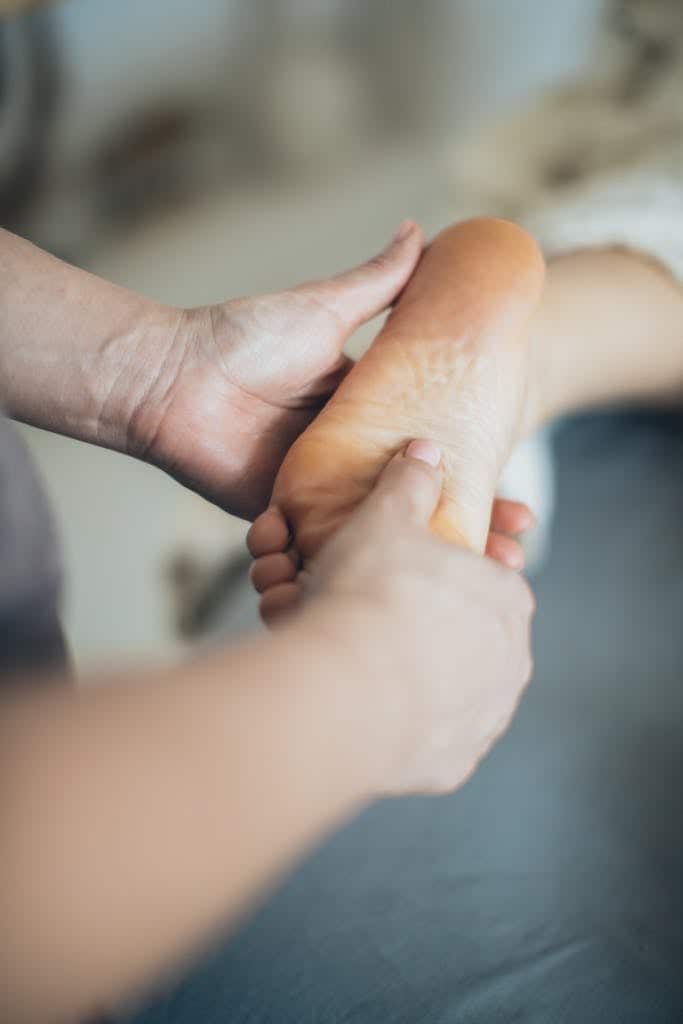
I can’t tell you how many times clients have asked me “What can I do between sessions?” or “Can my partner help with this?” After years of teaching couples these techniques, I’ve learned that some of the most effective maternity massage happens at home – you just need to know what you’re doing and what to avoid. The beauty of DIY maternity massage is that it’s available whenever you need it, and partners get to feel more involved in the pregnancy journey.
Partner Massage Techniques That Actually Work
Teaching expectant fathers (and partners) basic maternity massage techniques has become one of my favorite parts of this work. There’s something really special about watching a partner learn how to provide comfort and relief. The first thing I always tell partners is that you don’t need to be a professional – gentle, caring touch is often more valuable than perfect technique.
DIY massages can be done while sitting in a comfortable position, either on a backwards chair with a pillow to lean into, or on the edge of a bed. Keep in mind that the pressure should stay fairly light, and massage motions should be directed towards the heart.
The shoulders are always a winner when it comes to massaging your partner at home. Shoulders carry a lot of tension and can even lead to tension headaches. Using the outer edge of the hands and moving in an upward motion along the rhomboids (between the shoulder blades) repeatedly can help reduce tension.
Lower back massage is probably the most requested technique I teach partners. I show them how to use their palms to apply gentle pressure on either side of the spine. The key is working outward from the spine toward the hips, following the natural muscle fibres. I teach them to start light and let their partner guide them on pressure – what feels good one day might be too much the next.
Hip massage is another game-changer that partners can easily learn. I show them how to use their palms to work the glute muscles in slow, circular motions. The piriformis muscle (deep in the hip) often gets tight during pregnancy, and gentle pressure here can provide significant relief. The partner can do this while the pregnant person is lying on their side with pillows for support.
Foot massage is honestly where most partners become heroes. Pregnancy puts so much extra weight and stress on the feet, and gentle foot massage can provide immediate relief. I teach them to use their thumbs to work the arch of the foot and their palms to massage the tops of the feet.
The most important thing I tell couples about DIY maternity massage is to start slowly and communicate constantly. What feels good changes throughout pregnancy, sometimes even day to day. These techniques aren’t meant to replace professional massage but to provide comfort and connection between sessions. And honestly, some of my clients tell me that the home massage sessions with their partners become some of their most treasured pregnancy memories.
Conclusion
Maternity massage isn’t just about pampering yourself during pregnancy – it’s about giving your body the support it needs during one of life’s most transformative experiences! From alleviating those persistent back aches to preparing your body for labor, prenatal massage offers incredible benefits that extend far beyond the massage table.
Remember, every pregnancy is unique, so always consult with your healthcare provider before starting any new wellness routine. When you find the right certified prenatal massage therapist, you’re not just investing in temporary relief – you’re investing in your overall pregnancy wellness journey.
Ready to experience the amazing benefits of maternity massage? Start by discussing prenatal massage with your doctor, then research certified therapists in your area. Your body (and your baby) will thank you for this incredible act of self-care!
About the Author

Steph Swarts, RMT, CNP
Steph Swarts is a registered massage therapist and certified naturopathy practitioner with 17+ years of clinical experience helping clients optimize their health through evidence-based supplementation and holistic wellness strategies.
Professional Credentials:
- Registered Massage Therapist (RMT) – Licensed in Ontario, Canada
- Certified Naturopathic Practitioner (CNP)
- Raindrop Technique Practitioner (RTP)
- 17+ years in clinical practice
- Specialized training in Prenatal Massage Therapy
Clinical Expertise:
“As a healthcare professional with naturopathic training, I evaluate supplements using the same rigorous standards I apply in client care. My recommendations prioritize:
✅ Safety: Thorough evaluation of quality and purity
✅ Evidence: Backed by peer-reviewed research
✅ Clinical relevance: Real-world effectiveness for performance and recovery
✅ Professional standards: Third-party testing and manufacturing quality
Over 17+ years, I’ve guided hundreds of clients through their health journey, injury recovery, and overall wellness. Every recommendation reflects my professional commitment to evidence-based natural health.
Professional Memberships:
- Registered Massage Therapist with CMTO
- Member of RMTAO
- Certified Naturopathy Practitioner with NCCAP, CPD, and CMA
- Raindrop Technique Practitioner with Institute Of Energy Wellness Studies
📧 Contact: stephaniejswarts.rmt@gmail.com
🌐 Website: www.stephswarts.com
📱 Social: https://www.facebook.com/StephanieJSwarts
Professional Disclaimer: Information provided is for educational purposes based on clinical expertise and current research. This does not replace individualized medical advice. Consult your healthcare provider before starting any supplement regimen, especially if you have pre-existing conditions or take medications.