
**By Steph Swarts, RMT, CNP** *Registered Massage Therapist | Certified Naturopathic Practitioner* 📅 Last Updated: December 21, 2025 ✅ Evidence-based recommendations from a licensed healthcare professional
Hydrotherapy, also known as water therapy, aquatic therapy, or balneotherapy, represents one of humanity’s oldest and most effective therapeutic modalities. This evidence-based treatment approach harnesses the unique properties of water to promote healing, reduce pain, and improve overall well-being across various medical conditions.
Understanding Hydrotherapy: The Science Behind Water Therapy
Hydrotherapy is the external or internal use of water in any of its forms—liquid, ice, or steam—for health promotion and treatment of various diseases. The therapeutic effects of hydrotherapy stem from water’s fundamental physical properties, including buoyancy, hydrostatic pressure, thermal conductivity, and resistance.
According to research published in the North American Journal of Medical Sciences, water therapy has scientifically proven effects on multiple body systems. The study emphasizes that this ancient practice, dating back to early civilizations including India, Egypt, and China, now has substantial scientific backing for its therapeutic benefits.
The Therapeutic Principles of Water
Buoyancy provides the foundation for many hydrotherapy benefits. When immersed in water, the human body experiences reduced gravitational forces, allowing for pain-free movement and joint decompression. This weightless environment enables patients with mobility limitations to exercise and move freely without placing stress on injured or arthritic joints.
Hydrostatic pressure acts as a natural compression garment, improving circulation and reducing swelling. The pressure increases with depth, providing graduated compression that enhances venous return and lymphatic drainage.
Thermal effects vary depending on water temperature. Warm water (33-36°C) promotes muscle relaxation, increases blood flow, and reduces pain perception, while cooler temperatures can reduce inflammation and provide analgesic effects.
Evidence-Based Benefits of Hydrotherapy
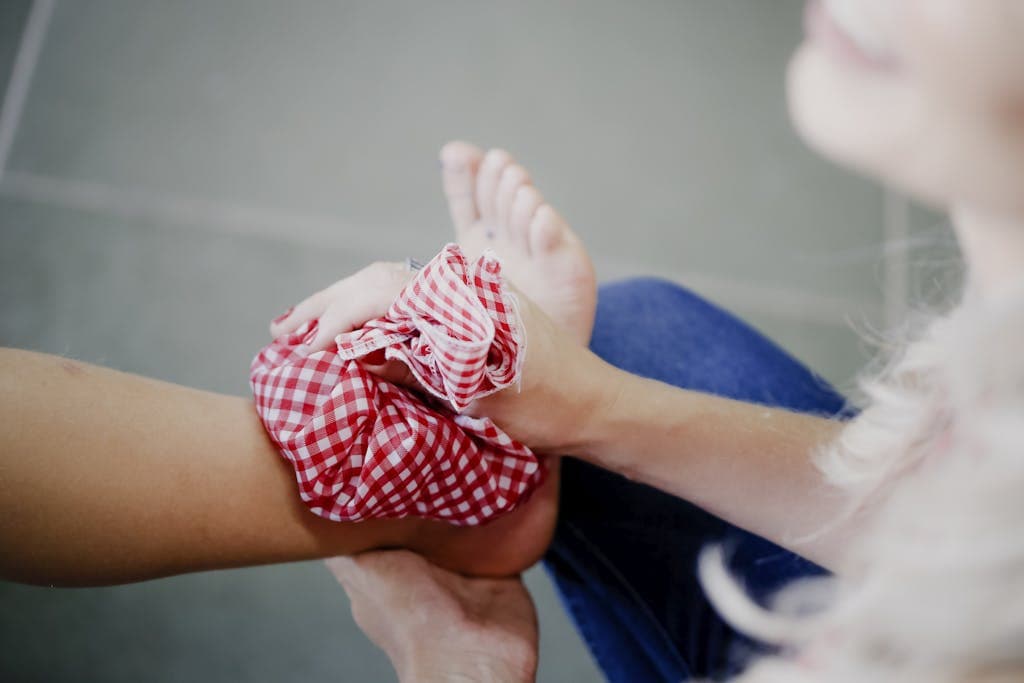
Pain Management and Musculoskeletal Health
Water therapy has demonstrated significant effectiveness in managing various pain conditions. Studies show that both balneotherapy and aquatic therapy provide moderate to strong evidence for pain reduction in fibromyalgia patients, with improvements in health-related quality of life.
For individuals with osteoarthritis, water therapy offers particular advantages. The buoyant environment allows for exercise without excessive joint loading, while warm water temperatures help reduce stiffness and improve range of motion. Research indicates that people with knee osteoarthritis experienced improved pain markers and knee function after eight weeks of aquatic exercise.
Cardiovascular Benefits
Emerging research suggests remarkable cardiovascular benefits from regular aquatic therapy sessions. A comprehensive Japanese study following over 30,000 participants for 20 years found that frequent bathing significantly reduced cardiovascular disease risk. Daily bathers had a 35% lower risk of coronary heart disease and a 23% lower risk of stroke compared to those who bathed less than twice weekly.
Neurological Conditions
Water therapy shows promise for various neurological conditions, including multiple sclerosis, Parkinson’s disease, and spinal cord injuries. The supportive aquatic environment allows individuals with neurological impairments to exercise safely while potentially improving balance, coordination, and functional mobility.
Mental Health and Stress Reduction
The psychological benefits of water therapy are well-documented. Research demonstrates that water-based activities can improve mental health, reduce anxiety, and alleviate depression symptoms, particularly in individuals with chronic pain conditions like fibromyalgia.
Pregnancy and Labor Support
Water therapy during pregnancy has shown beneficial effects, particularly for managing high blood pressure and reducing complications like preeclampsia. Many women choose to labor in warm water, which can increase comfort and decrease pain and anxiety during childbirth.
Types of Hydrotherapy Treatments
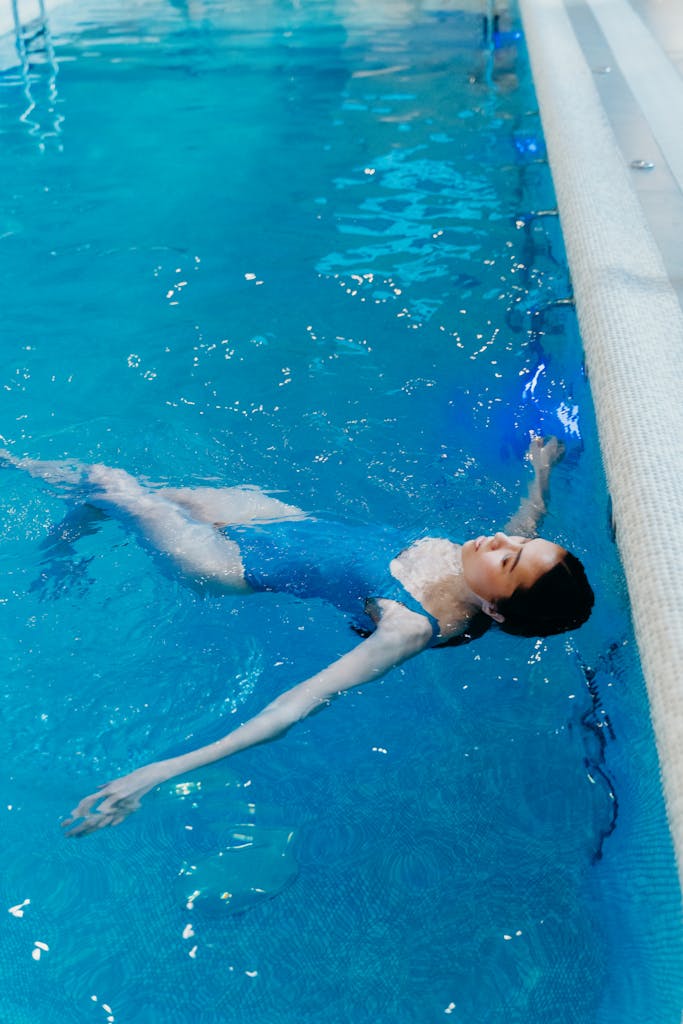
Aquatic Exercise Therapy
This form of water therapy involves structured exercise programs performed in heated pools under professional supervision. The water temperature typically ranges from 33-36°C, providing optimal conditions for therapeutic movement.
Contrast Therapy
Alternating between hot and cold water applications, contrast therapy stimulates circulation, enhances detoxification, and promotes healing. This aquatic therapy technique combines the benefits of both thermal extremes for comprehensive treatment.
Whirlpool Therapy
Utilizing pressurized water jets, whirlpool hydrotherapy provides targeted massage effects while delivering the benefits of warm water immersion. This approach is particularly effective for localized pain and muscle tension.
Balneotherapy
This specialized form of hydrotherapy involves bathing in mineral-rich waters, often found in natural hot springs or specially prepared therapeutic baths. The mineral content provides additional therapeutic benefits beyond standard water therapy.
Safety Measures and Precautions
While hydrotherapy is generally safe for most individuals, proper safety protocols are essential to prevent adverse events and maximize therapeutic benefits.
Contraindications
Certain medical conditions require careful consideration or complete avoidance of hydrotherapy:
Absolute contraindications include:
- Unstable cardiac conditions or severe heart failure
- Uncontrolled epilepsy
- Active infections or fever
- Severe cognitive impairments
- Unpredictable bowel incontinence
- Significant open wounds or skin infections
- Severe hydrophobia
Relative contraindications requiring medical clearance:
- Pregnancy (later stages without physician approval)
- Recent cerebrovascular accidents (within three weeks)
- Severe respiratory limitations
- Temperature-sensitive conditions
Safety Protocols
Professional hydrotherapy facilities must maintain strict safety standards:
Water quality management is paramount, requiring regular bacterial screening, proper chemical balance monitoring, and immediate response protocols for contamination incidents.
Supervision requirements mandate that all hydrotherapy sessions be conducted under the direct supervision of qualified healthcare professionals, typically physiotherapists with specialized aquatic therapy certification.
Environmental controls ensure appropriate water temperature, room humidity, and air quality to prevent heat exhaustion or other adverse reactions.
Emergency preparedness includes readily available emergency equipment, established evacuation procedures, and staff trained in aquatic rescue and resuscitation techniques.
Pre-Treatment Assessment
Before beginning any hydrotherapy program, healthcare providers should conduct comprehensive assessments including:
- Complete medical history review
- Current medication evaluation
- Cardiovascular status assessment
- Functional mobility evaluation
- Swimming ability and water comfort assessment
Implementation Guidelines
Professional Standards
Hydrotherapy should only be administered by qualified healthcare professionals with appropriate training and certification. Physical therapists, occupational therapists, and specialized aquatic therapists typically provide these services in clinical settings.
Treatment Protocols
Effective hydrotherapy programs follow structured protocols:
- Initial land-based evaluation and goal setting
- Gradual water introduction for anxious patients
- Progressive exercise programs tailored to individual needs
- Regular reassessment and program modification
- Proper documentation for insurance reimbursement
Equipment and Facilities
Modern hydrotherapy facilities utilize specialized equipment including:
- Temperature-controlled therapeutic pools
- Adjustable-depth platforms
- Underwater exercise equipment
- Safety and emergency systems
- Water quality monitoring technology
Future Directions and Research
Current research continues to expand our understanding of hydrotherapy‘s mechanisms and applications. Recent studiesexamining cellular-level changes from cold water exposure suggest potential anti-aging benefits through enhanced autophagy function.
Areas requiring further investigation include:
- Optimal treatment parameters for specific conditions
- Long-term effects and maintenance protocols
- Neurological rehabilitation applications
- Pediatric hydrotherapy protocols
- Integration with other therapeutic modalities
Conclusion
Hydrotherapy represents a valuable, evidence-based therapeutic approach that combines ancient wisdom with modern scientific understanding. Its ability to address multiple body systems simultaneously—providing pain relief, improving function, enhancing cardiovascular health, and supporting mental well-being—makes hydrotherapy an important component of comprehensive healthcare.
The safety profile of hydrotherapy, when properly administered by qualified professionals following established protocols, supports its integration into treatment plans for diverse patient populations. As research continues to unveil new applications and refine existing protocols, hydrotherapy will likely play an increasingly important role in rehabilitation medicine and preventive healthcare.
For individuals considering hydrotherapy, consultation with qualified healthcare providers ensures safe and effective treatment tailored to specific needs and conditions. The growing body of scientific evidence supporting hydrotherapy‘s benefits, combined with its generally positive patient experience, positions this therapeutic modality as a valuable tool in modern healthcare delivery.
References:
- Scientific Evidence-Based Effects of Hydrotherapy on Various Systems of the Body – PMC
- Hydrotherapy Research – Global Wellness Institute
- Cleveland Clinic – Hydrotherapy: What It Is, Benefits & Uses
- Medical News Today – Hydrotherapy: Definition, benefits, and uses
Read about the amazing benefits of cold plunging here!
About the Author

Steph Swarts, RMT, CNP
Steph Swarts is a registered massage therapist and certified naturopathy practitioner with 17+ years of clinical experience helping clients optimize their health through evidence-based supplementation and holistic wellness strategies.
Professional Credentials:
- Registered Massage Therapist (RMT) – Licensed in Ontario, Canada
- Certified Naturopathic Practitioner (CNP)
- Raindrop Technique Practitioner (RTP)
- 17+ years in clinical practice
- Specialized training in Prenatal Massage Therapy
Clinical Expertise:
“As a healthcare professional with naturopathic training, I evaluate supplements using the same rigorous standards I apply in client care. My recommendations prioritize:
✅ Safety: Thorough evaluation of quality and purity
✅ Evidence: Backed by peer-reviewed research
✅ Clinical relevance: Real-world effectiveness for performance and recovery
✅ Professional standards: Third-party testing and manufacturing quality
Over 17+ years, I’ve guided hundreds of clients through their health journey, injury recovery, and overall wellness. Every recommendation reflects my professional commitment to evidence-based natural health.
Professional Memberships:
- Registered Massage Therapist with CMTO
- Member of RMTAO
- Certified Naturopathy Practitioner with NCCAP, CPD, and CMA
- Raindrop Technique Practitioner with Institute Of Energy Wellness Studies
📧 Contact: stephaniejswarts.rmt@gmail.com
🌐 Website: www.stephswarts.com
📱 Social: https://www.facebook.com/StephanieJSwarts
Professional Disclaimer: Information provided is for educational purposes based on clinical expertise and current research. This does not replace individualized medical advice. Consult your healthcare provider before starting any supplement regimen, especially if you have pre-existing conditions or take medications.


