In our performance-driven world, the quest for cognitive enhancement has led many to explore nootropics—substances that promise improved memory, focus, and mental clarity. But behind the marketing hype lies a complex landscape of scientific evidence, regulatory gaps, and realistic expectations that consumers must navigate carefully.
What Are Nootropics?
The term “nootropics” was coined in 1972 by Romanian psychologist Corneliu Giurgea, who defined them as substances that enhance learning and memory while being relatively safe with minimal side effects. Today’s nootropics market encompasses everything from prescription medications to herbal supplements and synthetic compounds.
Modern nootropics fall into three main categories:
Prescription Nootropics: Medications like modafinil and methylphenidate (Ritalin) have robust clinical evidence but require medical supervision and are typically prescribed for specific conditions like ADHD or narcolepsy.
Natural Nootropics: These include compounds found in nature such as caffeine, L-theanine, and various herbal extracts that have traditional use histories and varying levels of scientific support.
Synthetic Nootropics: Laboratory-created compounds like the racetam family (piracetam, oxiracetam) that have been developed specifically for cognitive enhancement, though with mixed research results.
The Science Behind Key Ingredients

Understanding the research behind individual nootropic ingredients is crucial for making informed decisions, as the evidence varies dramatically between compounds.
Caffeine: The Gold Standard
Caffeine remains the most extensively researched nootropic, with decades of studies confirming its cognitive benefits. Research published in Psychopharmacology demonstrates that moderate caffeine consumption (50-200mg) consistently improves alertness, vigilance, attention, and reaction time. A comprehensive review in Nutrition Reviews found that caffeine enhances cognitive performance across multiple domains, though it’s less effective for learning and memory tasks compared to attention-based functions.
L-Theanine: The Calming Focus Enhancer
L-theanine, an amino acid naturally found in tea leaves, has shown remarkable promise in clinical research. A study in the Journal of Functional Foods found that a single 200mg dose of L-theanine reduced reaction time and increased accuracy in attention tasks while decreasing anxiety in healthy adults. The compound becomes particularly powerful when combined with caffeine—research in Nutritional Neuroscience showed that L-theanine and caffeine together improved speed and accuracy on attention-switching tasks while reducing susceptibility to distracting information.
Bacopa Monnieri: The Memory Enhancer
This traditional Ayurvedic herb has undergone rigorous scientific scrutiny in recent years. A randomized controlled trial published in Psychopharmacology found that 300mg daily of standardized Bacopa extract for 12 weeks significantly improved delayed recall memory and reaction times in healthy adults aged 18-60. Another study in Evidence-Based Complementary Medicine demonstrated that three months of Bacopa supplementation enhanced retention of new information in adults aged 40-65. However, benefits typically emerge after 8-12 weeks of consistent use, not immediately.
Other Notable Compounds
Alpha-GPC: Research in Clinical Therapeutics suggests this choline compound may support cognitive function, particularly in older adults, though evidence for enhancement in healthy individuals is limited.
Huperzine A: Derived from Chinese club moss, studies published in NeuroReport show potential for memory improvement through acetylcholinesterase inhibition, though most research focuses on cognitive decline rather than enhancement in healthy individuals.
Evaluating Commercial Nootropic Products
The nootropics market is flooded with proprietary blends making bold claims. Here’s how to evaluate popular products objectively:
Popular Products and What to Look For
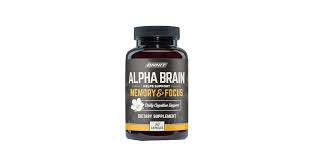
Alpha Brain by Onnit represents one of the most recognizable names in the nootropics space, featuring a blend of ingredients including Alpha-GPC, huperzine A, and cat’s claw extract. The company has invested in clinical research on their specific formulation, with a published study in Human Psychopharmacology showing improvements in verbal memory and executive function over six weeks. While the research is company-sponsored and limited in scope, it demonstrates a commitment to evidence-based validation that sets it apart from many competitors. The product’s widespread popularity and positive user reports suggest it may offer benefits for some individuals, though individual responses can vary significantly.
Key evaluation criteria for any nootropic product:
Transparent Labeling: Look for products that disclose individual ingredient amounts rather than hiding behind proprietary blends, as this allows you to assess whether dosages align with research.
Research-Backed Ingredients: Prioritize compounds with peer-reviewed human studies, while recognizing that company-sponsored research, though limited, still provides valuable data points.
Appropriate Dosages: Compare ingredient amounts to those used in successful clinical studies when this information is available.
Third-Party Testing: Reputable manufacturers conduct independent testing for purity and potency, which should be readily accessible.
Red Flags to Avoid
- Extravagant claims about “unlocking your brain’s potential”
- Lack of ingredient transparency
- No contact information or unclear manufacturing details
- Prices that seem too good to be true
- Products making medical claims without FDA approval
Setting Realistic Expectations
The gap between nootropic marketing and scientific reality is often vast. Most well-researched nootropics produce subtle, gradual improvements rather than dramatic cognitive transformations.
Typical realistic benefits include:
- Modest improvements in attention and focus
- Slight reductions in mental fatigue
- Small enhancements in specific memory tasks
- Improved stress resilience during cognitive challenges
What nootropics cannot do:
- Dramatically increase IQ or intelligence
- Replace the need for sleep, exercise, or proper nutrition
- Provide instant cognitive enhancement
- Overcome fundamental cognitive limitations
Remember that individual responses vary significantly based on genetics, baseline cognitive function, current health status, and lifestyle factors.
Safety Considerations and Risks
While many nootropics have good safety profiles, they’re not risk-free. A review in Frontiers in Psychiatry highlighted several important safety considerations:
Common side effects include:
- Headaches and digestive issues
- Sleep disturbances and jitteriness
- Anxiety or mood changes
- Tolerance development with chronic use
Serious considerations:
- Drug interactions with prescription medications
- Contamination or adulteration in unregulated products
- Unknown long-term effects of many synthetic compounds
- Potential for dependence or withdrawal with certain substances
Anyone with existing health conditions or taking prescription medications should consult healthcare providers before using nootropics.
The Foundation-First Approach

Before considering nootropics, optimize these fundamental aspects of cognitive health:
Sleep: Research in Nature Reviews Neuroscience shows that quality sleep is essential for memory consolidation, attention, and overall cognitive performance.
Exercise: Studies in Trends in Cognitive Sciences demonstrate that regular physical activity enhances neuroplasticity and cognitive function more than most supplements.
Nutrition: A balanced diet rich in omega-3 fatty acids, antioxidants, and essential nutrients provides the building blocks for optimal brain function.
Stress Management: Chronic stress impairs cognitive performance more than most nootropics can improve it.
Making Informed Decisions
If you decide to explore nootropics, follow these evidence-based guidelines:
- Start simple: Begin with well-researched, single-ingredient supplements like caffeine or L-theanine
- Keep detailed records: Track effects, side effects, and any changes in cognitive performance
- Be patient: Most cognitive benefits develop over weeks or months, not days
- Cycle usage: Take regular breaks to prevent tolerance and assess true benefits
- Stay informed: Keep up with new research and adjust your approach accordingly
Conclusion
The world of nootropics offers both genuine opportunities and significant pitfalls. While certain compounds like caffeine, L-theanine, and Bacopa monnieri have solid scientific support for modest cognitive benefits, the dramatic improvements promised by marketing materials rarely match reality.
The most effective approach to cognitive enhancement remains optimizing fundamental health factors—sleep, exercise, nutrition, and stress management—while potentially incorporating evidence-based nootropics as supplementary tools. Success requires realistic expectations, careful product selection, and ongoing attention to safety.
Ultimately, the most powerful “nootropic” may be the critical thinking skills needed to separate scientific evidence from marketing hype, ensuring that any cognitive enhancement journey is both safe and genuinely beneficial.
Click here to learn more about Neuro Gum and Mints for best cognitive function!
About the Author

Steph Swarts, RMT, CNP
Steph Swarts is a registered massage therapist and certified naturopathy practitioner with 17+ years of clinical experience helping clients optimize their health through evidence-based supplementation and holistic wellness strategies.
Professional Credentials:
- Registered Massage Therapist (RMT) – Licensed in Ontario, Canada
- Certified Naturopathic Practitioner (CNP)
- Raindrop Technique Practitioner (RTP)
- 17+ years in clinical practice
- Specialized training in Prenatal Massage Therapy
Clinical Expertise:
“As a healthcare professional with naturopathic training, I evaluate supplements using the same rigorous standards I apply in client care. My recommendations prioritize:
✅ Safety: Thorough evaluation of quality and purity
✅ Evidence: Backed by peer-reviewed research
✅ Clinical relevance: Real-world effectiveness for performance and recovery
✅ Professional standards: Third-party testing and manufacturing quality
Over 17+ years, I’ve guided hundreds of clients through their health journey, injury recovery, and overall wellness. Every recommendation reflects my professional commitment to evidence-based natural health.
Professional Memberships:
- Registered Massage Therapist with CMTO
- Member of RMTAO
- Certified Naturopathy Practitioner with NCCAP, CPD, and CMA
- Raindrop Technique Practitioner with Institute Of Energy Wellness Studies
📧 Contact: stephaniejswarts.rmt@gmail.com
🌐 Website: www.stephswarts.com
📱 Social: https://www.facebook.com/StephanieJSwarts
Professional Disclaimer: Information provided is for educational purposes based on clinical expertise and current research. This does not replace individualized medical advice. Consult your healthcare provider before starting any supplement regimen, especially if you have pre-existing conditions or take medications.