
**By Steph Swarts, RMT, CNP** *Registered Massage Therapist | Certified Naturopathic Practitioner* 📅 Last Updated: January 6, 2026 ✅ Evidence-based recommendations from a licensed healthcare professional
⚠️ Affiliate Disclosure: This article contains affiliate links to products I recommend. If you purchase through these links, I may earn a small commission at no additional cost to you. As a registered massage therapist with 17+ years of experience, I only recommend products I personally use or genuinely believe will benefit your health and wellness. All opinions and recommendations are based on my professional expertise and clinical experience.
Did you know that 1 in 5 Americans owns a fitness tracker or smartwatch? In 2023 alone there were 858 million fitness app downloads. The digital fitness landscape has evolved dramatically, and fitness apps 2025 offer more sophisticated features than ever before. As we move into 2026 new updates and features continue to reshape how we exercise. Whether you’re a beginner starting your fitness journey or an advanced athlete looking to optimize performance, the right app can truly transform your approach to health and wellness. This comprehensive guide explores the top-rated fitness apps of 2025 that are reshaping how we exercise, track progress, and achieve our health goals.
Quick Comparison Chart
| App & Purpose | Price | Best For |
|---|---|---|
|
Nike Training Club
185+ workouts, strength, HIIT, yoga, Pilates & stretching
|
FREE
|
All fitness levels
|
|
Strava
Running & cycling tracking, 150M+ users, social features
|
$79.99/yr
$11.99/mo
|
Runners & cyclists
|
|
MyFitnessPal
Nutrition tracking, barcode scanning, macro tracking
|
FREE
Premium varies
|
Weight management
|
|
Apple Fitness+
5,000+ classes, 12 workout types, Apple ecosystem integration
|
$79.99/yr
$9.99/mo
|
Apple users
|
|
Peloton App
Live & on-demand classes, no equipment required
|
$12.99/mo
|
Interactive classes
|
|
FitOn
Celebrity trainers, social challenges, Pilates & stretching
|
FREE
Pro $30/yr
|
Celebrity workouts
|
|
JEFIT
Strength training, workout logging, exercise library
|
FREE
Premium varies
|
Gym workouts
|
|
Adidas Training
Personalized workout plans, home fitness
|
FREE
|
Home workouts
|
|
Caliber
Professional coaching, strength training programs
|
$19-200/mo
|
Coached strength
|
|
Future
1-on-1 personal training, now on iOS & Android
|
$149-199/mo
|
Personal coaching
|
Top 10 Best Fitness Apps 2025
1. Nike Training Club (NTC)
Price: Free
Best For: All fitness levels, equipment-free workouts
Nike Training Club stands out among fitness apps 2025 for offering premium features completely free. The app provides access to strength training, HIIT, yoga, mobility workouts, and mindful cooldowns led by world-class trainers. With celebrity guest instructors and educational content covering wellness topics, NTC has earned its reputation as one of the best free fitness apps 2025.
Key Features:
- Large library of individual workouts and periodized programs
- Professional trainers with diverse specialties
- Equipment-free and equipment-based options
- Integration with Apple Health and other fitness platforms
2. Strava
Price: Free version available; Premium $11.99/month or $79.99/year Best For: Runners, cyclists, and social fitness enthusiasts
Strava remains a dominant force among fitness apps 2025, particularly for endurance athletes. With over 150 million users, it combines comprehensive activity tracking with powerful social features. The recent acquisition of Runna demonstrates Strava’s commitment to expanding its training capabilities.
Key Features:
- GPS tracking for 30+ sports activities
- Social feed and community challenges
- Detailed performance analytics and personal records
- Route planning and exploration tools
- Integration with major fitness devices
3. MyFitnessPal
Price: Free version available; Premium plans vary Best For: Nutrition tracking and weight management
As one of the most established fitness apps 2025, MyFitnessPal excels in nutrition tracking and calorie management. Its extensive food database and barcode scanning capabilities make it an essential tool for users focused on dietary awareness and weight goals.
Key Features:
- Comprehensive food database with barcode scanning
- Macro and micronutrient tracking
- Recipe importer and meal planning
- Integration with fitness trackers and other health apps
4. Apple Fitness+
Price: $9.99/month or $79.99/year Best For: Apple ecosystem users seeking premium workout classes
Apple Fitness+ leverages the Apple Watch integration to create one of the most seamless experiences among fitness apps 2025. The service offers 4K Ultra HD workout classes across 12 different categories, with real-time metrics displayed on screen during workouts.
Key Features:
- Real-time workout metrics from Apple Watch
- 5,000+ high-quality workout videos
- Integration across Apple devices (iPhone, iPad, Apple TV)
- New classes added weekly
- Personalized recommendations based on activity history
5. Peloton App
Price: $12.99/month Best For: Interactive, community-driven workouts
The Peloton App has expanded beyond its hardware roots to become one of the most engaging fitness apps 2025. With live classes, leaderboard competitions, and diverse workout options, it offers a comprehensive fitness experience without requiring Peloton equipment.
Key Features:
- Live and on-demand classes across multiple categories
- Real-time leaderboard competitions
- World-class instructors and motivational coaching
- Cross-platform compatibility
- Social features and community challenges
6. FitOn
Price: Free; Pro version $25 for 6 months or $30/year Best For: Celebrity-led workouts and social fitness
FitOn has gained significant traction among fitness apps 2025 by offering high-quality workouts led by celebrity trainers completely free. With classes featuring Gabrielle Union, Jonathan Van Ness, and other stars, it combines entertainment with effective fitness routines.
Key Features:
- Celebrity trainers and exclusive content
- Social challenges and community features
- Variety of workout types (HIIT, dance, yoga, strength)
- Live classes and on-demand content
- Apple Watch integration
7. JEFIT
Price: Free version available; Premium features for paid subscriptions Best For: Strength training and bodybuilding
JEFIT focuses specifically on strength training, making it one of the best specialized fitness apps 2025 for weightlifters and bodybuilders. The app provides detailed workout logging, exercise instructions, and progress tracking for strength-focused routines.
Key Features:
- Extensive exercise library with instructions
- Workout logging and progress tracking
- Pre-made routines and custom workout creation
- Body measurement tracking
- Social features and workout sharing
8. Adidas Training
Price: Free Best For: Personalized workout plans and goal-based training
Adidas Training offers customized workout plans based on individual preferences and fitness goals. As one of the more personalized fitness apps 2025, it adapts to user feedback and provides recommendations for different ability levels.
Key Features:
- Personalized workout recommendations
- Integration with wearable devices
- Progress photo uploads
- Educational fitness content
- Automatic workout reminders
9. Caliber
Price: Free version; Group coaching $19/month; Personal coaching starting at $200/month Best For: Strength training with professional coaching
Caliber stands out among fitness apps 2025 for its emphasis on professional coaching and scientific approach to strength training. The app offers both group and individual coaching options with certified trainers.
Key Features:
- Certified coach-written programs
- Progress tracking and feedback
- Video form analysis
- Community support
- Evidence-based training principles
10. Future
Price: Starting at $149-199/month Best For: Premium personal training and accountability
Future represents the premium tier of fitness apps 2025, connecting users with dedicated personal trainers for truly customized fitness experiences. While expensive, it offers unparalleled personalization and accountability.
Key Features:
- One-on-one personal trainer matching
- Customized workout routines
- Regular check-ins and motivation
- Comprehensive progress tracking
- Video consultations and form corrections
Key Features to Look for in Fitness Apps 2025
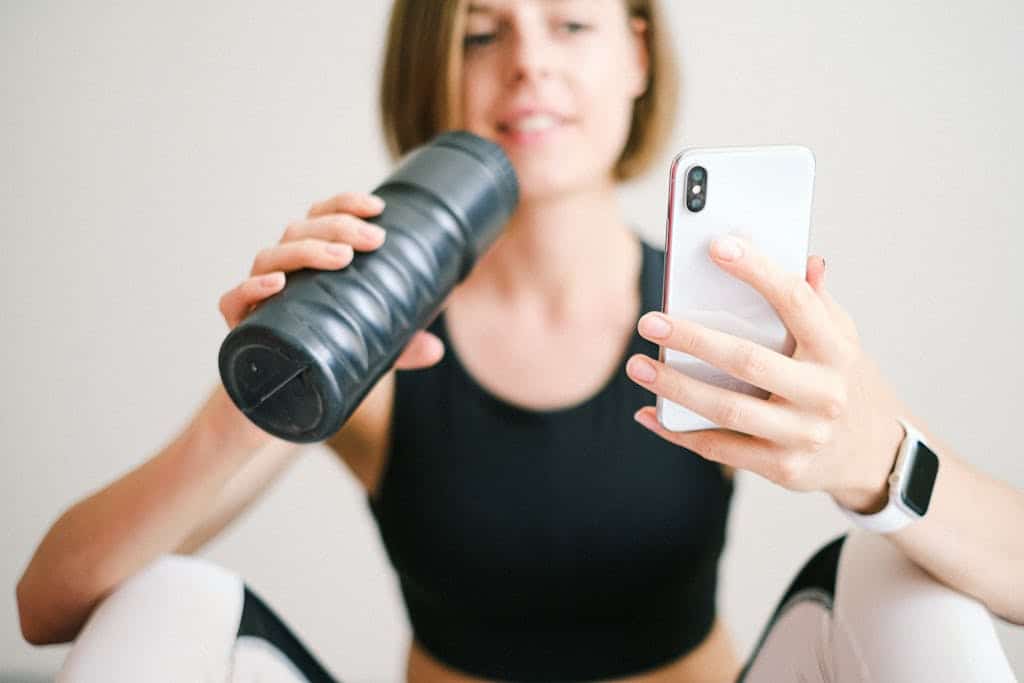
When choosing among the many fitness apps 2025 options, consider these essential features:
Personalization and AI Integration
The best fitness apps 2025 use artificial intelligence to learn from your habits, preferences, and progress. Look for apps that adapt workouts based on your performance, suggest optimal rest periods, and provide personalized recommendations.
Wearable Device Integration
Seamless integration with Apple Watch, Garmin, Fitbit, and other wearables is crucial for accurate tracking. The top fitness apps 2025 sync heart rate, calories burned, and other metrics automatically.
Variety and Flexibility
Choose fitness apps 2025 that offer diverse workout types to prevent boredom and promote well-rounded fitness. The best apps include strength training, cardio, pilates, stretching, and specialized programs.
Community and Social Features
Social elements can significantly boost motivation and adherence. Many successful fitness apps 2025 incorporate challenges, leaderboards, and community support to keep users engaged.
The Future of Fitness Apps 2025 and Beyond
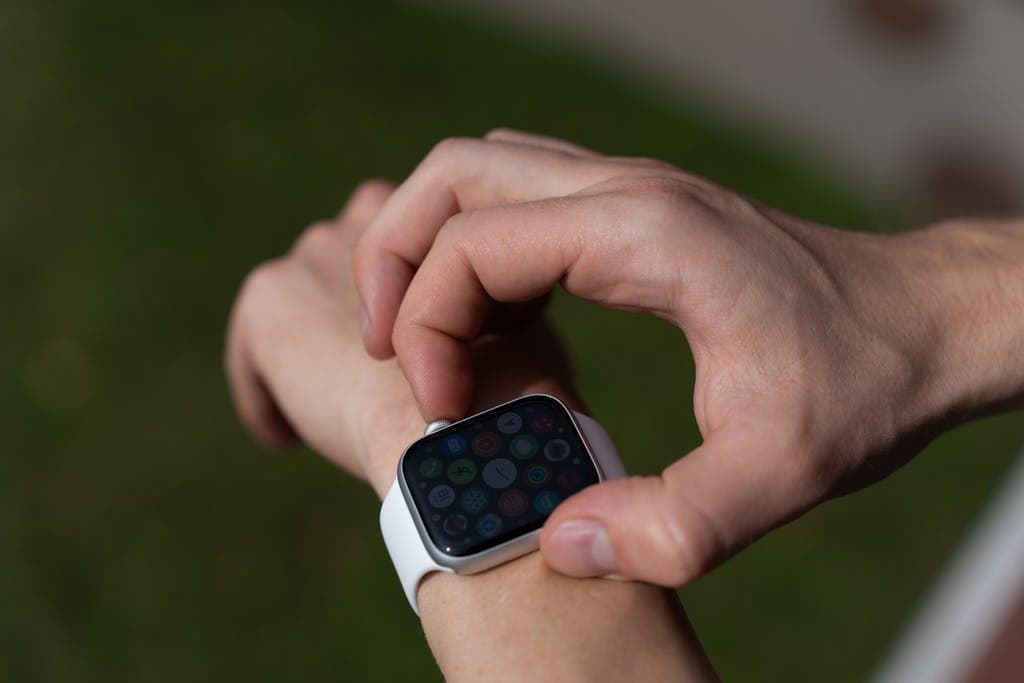
The fitness apps 2025 landscape continues evolving with several key trends:
Hybrid Fitness Experiences: Apps are bridging the gap between home and gym workouts, offering guidance for both environments.
Advanced AI Coaching: Machine learning algorithms provide increasingly sophisticated form correction, workout optimization, and injury prevention.
Mental Health Integration: Modern fitness apps 2025 recognize the connection between physical and mental wellness, incorporating meditation, stress management, and sleep tracking.
Augmented Reality Features: Some fitness apps 2025 are beginning to experiment with AR for enhanced form feedback and immersive workout experiences.
Making the Right Choice
The best fitness apps 2025 for you depends on your specific goals, preferences, and lifestyle. Consider these factors:
- Budget: Free options like Nike Training Club and FitOn offer excellent value, while premium services like Future provide personalized coaching
- Equipment Access: Some apps work better with gym equipment, while others excel at bodyweight routines
- Experience Level: Beginners may prefer guided programs, while advanced users might want detailed tracking and customization
- Device Ecosystem: iPhone users may benefit from Apple Fitness+, while Android users have more flexibility
Why Fitness Apps 2025 Are Game-Changers
The fitness apps market has witnessed unprecedented growth, with the global industry valued at $10.59 billion in 2024 and projected to reach $33.58 billion by 2033, growing at a CAGR of 13.59%. This explosive growth reflects the increasing demand for personalized, accessible fitness solutions that fit seamlessly into busy lifestyles.
Modern fitness apps 2025 leverage artificial intelligence, provide real-time coaching, and offer hybrid workout experiences that combine the best of home and gym training. The integration with wearable devices, smart watches, and health ecosystems has made these apps more accurate and comprehensive than ever before.
Emerging Trends in Fitness Apps 2026:
- Multi-Week Structured Programs – Moving beyond random workouts to planned progression (Apple Fitness+ leading this trend)
- Cross-Platform Collaboration – Apps partnering rather than competing (Strava + Apple Fitness+ challenge, Strava + Runna bundle)
- Expanded Global Availability – Major apps expanding internationally (Apple Fitness+ now in 48 countries)
- AI-Powered Personalization – More sophisticated AI recommendations (Runna’s AI training plans, Caliber’s adaptive programs)
- Behavioral Science Focus – Apps addressing “Quitter’s Day” phenomenon with strategic programming to maintain adherence beyond January
- Hybrid Work/Life Integration – Programs designed for busy professionals with short (10-minute) workout options that can fit into any schedule
Which fitness app is best for Pilates and stretching?
Apple Fitness+ offers the best overall Pilates and stretching experience with 100+ dedicated classes, expert instructors, and the new “Build a Pilates & Stretching Habit in 4 Weeks” program launched in January 2026. Classes range from 5-45 minutes with real-time Apple Watch metrics. For a completely free option, Nike Training Club provides 40+ quality Pilates and stretching workouts. Peloton App has the largest library with 1,000+ Pilates classes if you want maximum variety for $12.99/month.
Can fitness apps help improve flexibility?
Yes, fitness apps with dedicated stretching content can significantly improve flexibility with consistent practice. Apple Fitness+ and Nike Training Club both offer excellent stretching and mobility programs. For specialized flexibility work, consider apps like Pliability or Bend. The key is daily practice—even 5-10 minutes of stretching per day shows results within 2-4 weeks.
Do I need equipment for Pilates apps?
No, most Pilates content in fitness apps is mat-based and requires no equipment beyond a yoga/exercise mat. Apple Fitness+, Nike Training Club, FitOn, and Peloton all offer equipment-free Pilates. Some apps include optional equipment classes (resistance bands, Pilates ring, light weights) but these are not required to get excellent results.
What is the best free fitness app in 2025?
Nike Training Club is widely considered the best completely free fitness app, offering 185+ professional workouts across strength, HIIT, Pilates, stretching, and mobility without any premium upsells or ads. The app provides the same quality instruction you’d find in paid apps, with celebrity trainers and structured programs at zero cost. FitOn is another excellent free option with celebrity-led workouts and social features.
Do I need an Apple Watch for Apple Fitness+?
No, as of iOS 16, you can use Apple Fitness+ without an Apple Watch. However, with an Apple Watch, you get a significantly enhanced experience with real-time metrics (heart rate, calories burned, Activity Rings) displayed on-screen during every workout. The watch integration is what makes Fitness+ special, providing instant feedback and motivation. If you already own an Apple Watch, Fitness+ is a no-brainer at $79.99/year.
How much does Strava Premium cost and is it worth it?
Strava Premium costs $11.99/month or $79.99/year. The new Strava + Runna bundle costs $149.99/year and includes both Strava Premium and Runna’s AI-powered training plans, saving up to 60% compared to subscribing separately.
Is Premium worth it? It depends on your needs:
Skip Premium if: You’re casual about running/cycling and the free social features satisfy you
Get Premium if: You’re training for races, want route planning, need advanced performance metrics, or are competitive with segments
Get the Runna bundle if: You’re a serious runner who wants structured training plans with AI coaching
The free version of Strava is excellent, so try it first before upgrading.
Are fitness apps effective for weight loss?
Yes, fitness apps can be highly effective for weight loss when combined with nutrition tracking and consistency. Research shows app users are significantly more likely to maintain workout habits beyond 90 days compared to those without apps.
For best weight loss results:
Combine a workout app (Peloton App, Nike Training Club, or Apple Fitness+) with nutrition tracking (MyFitnessPal)
Focus on calorie burn through HIIT and strength training
Track food intake to maintain caloric deficit
Aim for consistency over intensity – 3-4 workouts per week beats sporadic intense sessions
Key insight: Weight loss is 80% nutrition, 20% exercise. Apps that help with both (like combining MyFitnessPal + Nike Training Club) yield the best results.
Can fitness apps replace a personal trainer?
It depends on your experience level and goals:
Apps CAN replace trainers if you:
Have good exercise form and basic fitness knowledge
Are self-motivated and consistent
Have general fitness goals (lose weight, get stronger, improve cardio)
Don’t have injuries requiring modifications
Apps CANNOT fully replace trainers if you:
Are a complete beginner learning proper form
Have injuries or chronic conditions requiring modifications
Need hands-on form corrections for safety
Require high accountability and struggle with consistency
Have sport-specific or advanced performance goals
Middle ground: Future ($149-$199/month) offers app-based personal training with dedicated coaches at 75-90% less than in-person training costs. Caliber ($19-$200/month) provides coach-written programs with video form feedback. These bridge the gap between DIY apps and traditional personal training.
Which fitness app is best for beginners?
Nike Training Club is ideal for beginners because:
Completely free with no financial barrier
Clear step-by-step video instruction
“Get Started” beginner-specific programs
Low intimidation factor with approachable trainers
Wide variety prevents boredom
No equipment required for most workouts
Other beginner-friendly options:
FitOn (free) – Celebrity trainers make fitness approachable and fun
Apple Fitness+ ($79.99/year) – Easy filtering by beginner level, excellent production quality
Adidas Training (free) – AI adapts to your fitness level
What to avoid as a beginner: Apps like JEFIT (requires gym knowledge) or advanced programs without clear instruction.
What’s the difference between Strava free and Premium?
Strava Free includes:
GPS tracking for 30+ activities
Social feed with activity sharing and kudos
Segment leaderboards
Basic performance stats (pace, distance, elevation)
Club features and challenges
Integration with wearables
Strava Premium ($79.99/year) adds:
Goal setting and progress tracking
Advanced analytics (heart rate zones, power analysis)
Route planning with popularity heat maps
Live performance feedback during activities
Personalized training insights
Yearly performance reports
Filtered leaderboards
Strava + Runna bundle ($149.99/year) includes:
Everything in Strava Premium
AI-powered running training plans
Personalized race preparation
Adaptive training that adjusts to your performance
Verdict: Free Strava is excellent for social fitness and basic tracking. Upgrade to Premium if you’re data-driven or training for specific goals. Get the Runna bundle if you’re a serious runner.
Is the Peloton app worth it without the bike or equipment?
Yes! The Peloton app ($12.99/month) is absolutely worth it without Peloton equipment. Here’s why:
What you get without equipment:
10,000+ classes across 10+ disciplines
Strength training, bootcamp, running, walking workouts
Pilates, stretching, meditation
World-class instructors and motivational energy
Live classes and on-demand library
Works with basic home equipment (dumbbells, mat) or bodyweight
What you miss without equipment:
Leaderboard features for cycling/rowing classes (though you can still take the classes)
Auto-resistance changes on bike/treadmill
Real-time output metrics
Is it worth $12.99/month? If you’ll use it 3+ times per week, yes. That’s only $3-4 per workout, far less than gym classes. The instructor quality and motivation factor alone justify the cost for many users.
Alternatives: If $12.99/month feels high, try Nike Training Club (free) or Apple Fitness+ ($79.99/year = $6.67/month).
How much does Future fitness app cost and is it worth it?
Future costs:
Month-to-month: $199/month
3-month commitment: $179/month
6-month commitment: $169/month
12-month commitment: $149/month
What you get:
Dedicated certified personal trainer matched to your goals
Fully customized weekly workout programs
Daily check-ins and unlimited messaging
Video consultations for goal setting
Form analysis through video recording
Programs adapt to your schedule, equipment, and progress
2,000+ exercise library with guided videos
Is $199/month worth it?
Compare to alternatives:
In-person personal training: $500-$2,000/month (2-3 sessions/week)
Future provides daily programming + unlimited communication
That’s 75-90% less expensive than in-person training
Worth it if you:
Are serious about fitness but need professional accountability
Have tried other apps without success
Can afford the investment ($199/month)
Value convenience over in-person sessions
Want customization beyond generic app workouts
Not worth it if you:
Are budget-conscious or just starting out
Are self-motivated and succeed with free/cheaper apps
Prefer in-person, live interaction
Want to try fitness casually before committing
Verdict: Future is expensive but delivers professional personal training at a fraction of in-person costs. It’s best for committed individuals who’ve exhausted cheaper options and need expert guidance with accountability.
Conclusion
The fitness apps 2025 market offers unprecedented variety and sophistication, with options suitable for every fitness level, goal, and budget. Whether you choose the comprehensive free offerings of Nike Training Club, the social motivation of Strava, the premium experience of Apple Fitness+, or the personalized coaching of Future, the key is finding an app that fits seamlessly into your lifestyle and keeps you motivated to maintain consistent exercise habits.
To take your health to the next level, pair your workouts with good nutrition and supplements such as pure protein powders or creatine to enhance results!
The future of fitness is digital, personalized, and more accessible than ever. By choosing the right fitness apps 2025 for your needs, you’re investing in a healthier, more active lifestyle that can adapt and grow with you over time. Remember, the best fitness app is the one you’ll actually use consistently – so take advantage of free trials and test different options to find your perfect fitness companion.
About the Author

Steph Swarts, RMT, CNP
Steph Swarts is a registered massage therapist and certified naturopathy practitioner with 17+ years of clinical experience helping clients optimize their health through evidence-based supplementation and holistic wellness strategies.
Professional Credentials:
- Registered Massage Therapist (RMT) – Licensed in Ontario, Canada
- Certified Naturopathic Practitioner (CNP)
- Raindrop Technique Practitioner (RTP)
- 17+ years in clinical practice
- Specialized training in Prenatal Massage Therapy
Clinical Expertise:
“As a healthcare professional with naturopathic training, I evaluate supplements using the same rigorous standards I apply in client care. My recommendations prioritize:
✅ Safety: Thorough evaluation of quality and purity
✅ Evidence: Backed by peer-reviewed research
✅ Clinical relevance: Real-world effectiveness for performance and recovery
✅ Professional standards: Third-party testing and manufacturing quality
Over 17+ years, I’ve guided hundreds of clients through their health journey, injury recovery, and overall wellness. Every recommendation reflects my professional commitment to evidence-based natural health.
Professional Memberships:
- Registered Massage Therapist with CMTO
- Member of RMTAO
- Certified Naturopathy Practitioner with NCCAP, CPD, and CMA
- Raindrop Technique Practitioner with Institute Of Energy Wellness Studies
📧 Contact: stephaniejswarts.rmt@gmail.com
🌐 Website: www.stephswarts.com
📱 Social: https://www.facebook.com/StephanieJSwarts
Professional Disclaimer: Information provided is for educational purposes based on clinical expertise and current research. This does not replace individualized medical advice. Consult your healthcare provider before starting any supplement regimen, especially if you have pre-existing conditions or take medications.


