**By Steph Swarts, RMT, CNP** *Registered Massage Therapist | Certified Naturopathic Practitioner* 📅 Last Updated: January 1, 2026 ✅ Evidence-based recommendations from a licensed healthcare professional
Seed cycling is a natural practice that involves eating specific seeds during different phases of your menstrual cycle to support hormonal balance. This gentle, vegan-friendly approach has gained popularity among women seeking natural alternatives for reproductive wellness.
As a certified naturopathic practitioner, I’ve been practicing seed cycling for about a year and have experienced remarkable benefits firsthand. I’m no longer cold all the time, my cycle arrives like clockwork, and I feel genuinely nourished on a daily basis. These changes motivated me to dive deeper into the science and share what I’ve learned.
The method is simple: consume flax and pumpkin seeds during days 1-14 (follicular phase), then switch to sunflower and sesame seeds during days 15-28 (luteal phase). While rooted in traditional medicine for 40+ years, a 2023 clinical trial finally provided scientific evidence supporting its effectiveness.
This guide covers everything you need to know—from the science behind seed cycling to practical recipes for each phase.
Seed Cycling Quick Start:
- Days 1-14 (Follicular): 1 tbsp ground flax + 1 tbsp raw pumpkin seeds daily
- Days 15-28 (Luteal): 1 tbsp raw sunflower + 1 tbsp sesame seeds daily
- No regular period? Follow the moon cycle (new moon = day 1)
- Best results: Grind flax fresh daily, use organic raw seeds
How to Start Seed Cycling
Beginning seed cycling is straightforward, though consistency is key.
Step 1: Track Your Cycle
Identify when each phase begins. If you don’t have regular periods, follow the moon cycle—start the follicular phase with the new moon and the luteal phase with the full moon.
Step 2: Follicular Phase (Days 1-14)
Consume 1 tablespoon each of:
- Ground flax seeds (grind fresh daily)
- Raw pumpkin seeds
Step 3: Luteal Phase (Days 15-28)
Switch to 1 tablespoon each of:
- Raw sunflower seeds
- Raw sesame seeds
Pro tip: Consistency matters more than perfection. If you miss a day, simply continue with the appropriate seeds for your current cycle phase.
Click here to jump to seed cycling recipes!
What Is Seed Cycling?
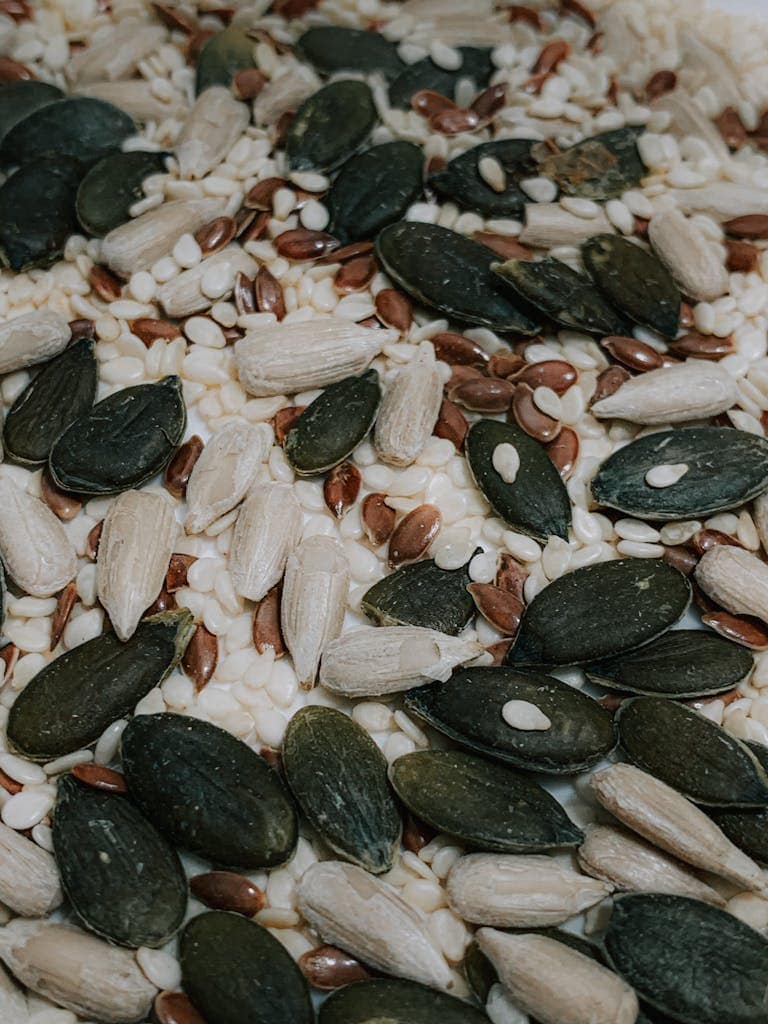
Seed cycling is the practice of eating particular seeds during the two main phases of your menstrual cycle. The method involves consuming pumpkin seeds and flax seeds during the follicular phase (days 1-14) and sunflower seeds and sesame seeds during the luteal phase (days 15-28). Proponents believe that the nutrients and healthy fats in these seeds can help support the body’s natural hormone production and metabolism.
The foundation of this practice lies in the unique nutritional profiles of different seeds and how they may influence hormone pathways. This approach has its roots in traditional Chinese medicine and is considered a form of “Food as Medicine.” The practice has been prescribed to women for about 40 years in naturopathic medical circles, making it a well-established approach in integrative health.
Seed Cycling at a Glance
| Cycle Phase | Days | Seeds | Key Nutrients | Benefits |
|---|---|---|---|---|
| Follicular | 1-14 | Flax + Pumpkin | Lignans, Zinc, Omega-3 | Supports estrogen production |
| Luteal | 15-28 | Sunflower + Sesame | Vitamin E, Healthy Fats | Supports progesterone production |
Origins and Development of Seed Cycling
The concept of seed cycling doesn’t appear to have a single identifiable originator. However, it has been promoted by many naturopathic doctors and wellness practitioners. It’s certainly not a new method—alternative medicine practitioners from herbalists to acupuncturists and naturopaths have long recommended it for a list of hormonal woes including infertility and menopause.
Dr. Jolene Brighten, a naturopathic physician, notes that her mentor authored a book detailing seed rotation about 20 years ago after 20 years of clinical experience, highlighting the practice’s established history in naturopathic medicine. The approach has been further popularized by wellness practitioners like Kate Morton, co-founder of Funk It Wellness, who experienced personal benefits after struggling with post-birth control hormonal imbalances.
The Science Behind Seed Cycling
Each seed used in seed cycling contains specific nutrients that may support different aspects of hormonal health. Flax seeds are rich in lignans, plant compounds that may help modulate estrogen levels in the body. Pumpkin seeds provide zinc, which is essential for hormone production and immune function. Sunflower seeds contain vitamin E, an antioxidant that supports progesterone production, while sesame seeds offer healthy fats and minerals that may support overall reproductive health.
The timing aligns with the natural rhythm of your menstrual cycle. During the follicular phase, when estrogen naturally rises, practitioners consume flax and pumpkin seeds. During the luteal phase, when progesterone should be dominant, the practice shifts to sunflower and sesame seeds. This approach aims to nutritionally support what your body is naturally trying to accomplish during each phase
Scientific Evidence and Research
While seed cycling has been used in traditional and naturopathic medicine for decades, scientific evidence to back its claims is either lacking or weak. However, recent research has begun to explore the potential benefits of this practice.
Landmark 2023 Clinical Trial
A 2023 randomized clinical study published in Food Science & Nutrition assessed the effects of seed cycling on women with polycystic ovary syndrome (PCOS). The trial found that participants who followed a structured protocol (consuming flaxseed and pumpkin seeds in the follicular phase, and sesame and sunflower seeds in the luteal phase) over a 12-week period experienced significant improvements in hormonal markers (FSH, LH, and progesterone), ovarian morphology, and body mass index compared to control groups.
This study represents the first published clinical evidence supporting the potential effectiveness as a combined and timed nutritional intervention. The approach showed a 1.5%–2% reduction in LH levels and 1.2% to 2.5% reduction in FSH levels.

Supporting Research on Individual Seeds
While comprehensive studies are limited, research on individual seeds supports their hormonal benefits:
Flax Seeds: Some small studies in women have linked flax seed intake to improved cycle regularity and hormone levels, a lengthened luteal phase, and reduced cyclical breast pain. Flax seed intake is linked to cancer-fighting properties and a reduced risk of breast cancer in postmenopausal women.
Sesame Seeds: In one 5-week study in 24 postmenopausal women, taking 50 mg of sesame powder daily improved hormone status and antioxidant and blood fat levels.
Pumpkin and Sunflower Seeds: Research shows that Vitamin E, omega-3s and omega-6s found in pumpkin, sesame, sunflower, and flax seeds are essential for hormone production and follicle function.
Benefits of Seed Cycling
Women who practice seed cycling often report various benefits, though individual experiences may vary. Many practitioners find that consistent practice helps regulate their menstrual cycles, reducing irregularities and promoting more predictable timing. Some women notice improvements in PMS symptoms, including reduced cramping, mood swings, and breast tenderness.
This practice may also support clearer skin, as hormonal balance often reflects in skin health. The healthy fats and nutrients provided can contribute to overall nutritional status, which supports various bodily functions beyond hormonal health. Additionally, the practice encourages mindful eating and cycle awareness, helping women become more attuned to their body’s natural rhythms.
Spotting Between Periods
Some women wonder whether seed cycling can help reduce spotting between periods (also known as breakthrough bleeding). While there is no direct research specifically showing that this practice reduces spotting, there is some relevant evidence about flaxseed’s effects on menstrual cycle regulation.
Read more about the 8 benefits of flaxseed and how to eat here!
A study found that flax seed ingestion helped prevent anovulatory cycles and was associated with longer luteal phases and higher progesterone-to-estradiol ratios. Since spotting between periods is often caused by hormonal fluctuations or imbalances, the hormone-regulating properties of the seeds used may theoretically help some women experience more stable cycles.
However, it’s important to note that spotting can have many causes, including stress, PCOS, endometriosis, thyroid issues, birth control changes, or other underlying conditions. If you experience persistent spotting between periods, it’s essential to consult with a healthcare provider to rule out any underlying medical conditions rather than relying solely on dietary interventions.
The anti-inflammatory properties of the seeds used may provide additional benefits. Chronic inflammation can disrupt hormonal balance, so incorporating anti-inflammatory foods like these seeds may support overall wellness. The fiber content in these seeds also supports digestive health and may help with the elimination of excess hormones.
Extreme stress — both emotional and physical — can mess with your body in a whole bunch of bizarre ways, and causing abnormal bleeding or breakthrough bleeding is just one of them. Cortisol (a stress hormone) can wreak havoc on estrogen and progesterone, the hormones that control what your reproductive system is up to. Read full article: Research Progress and Prospect Analysis of the Application of Flax Lignans
Vegan Recipes for the Follicular Phase
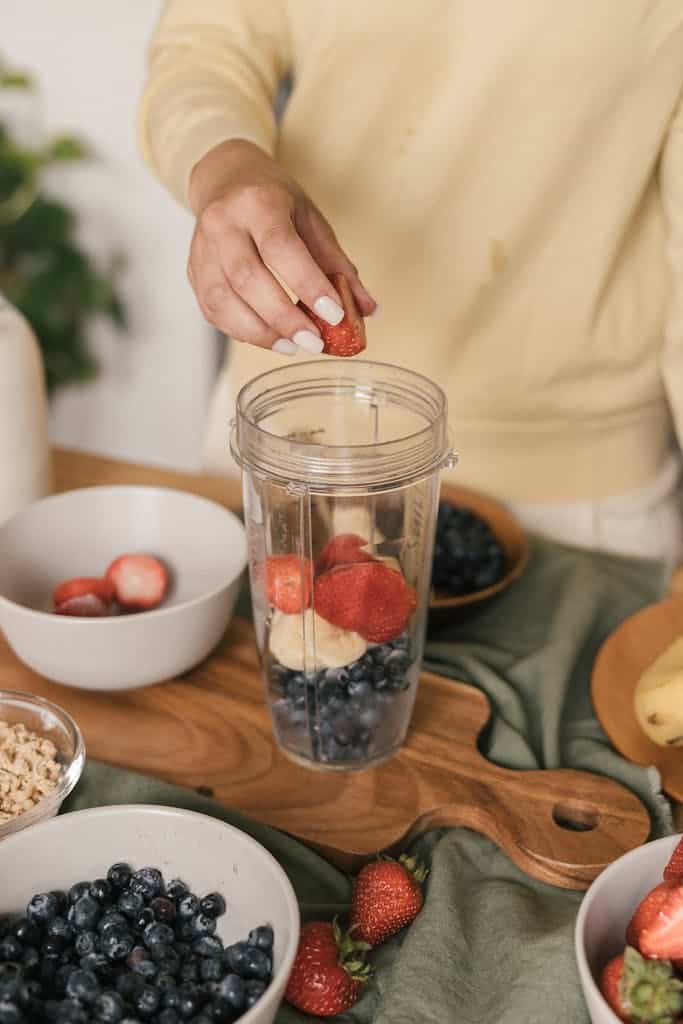
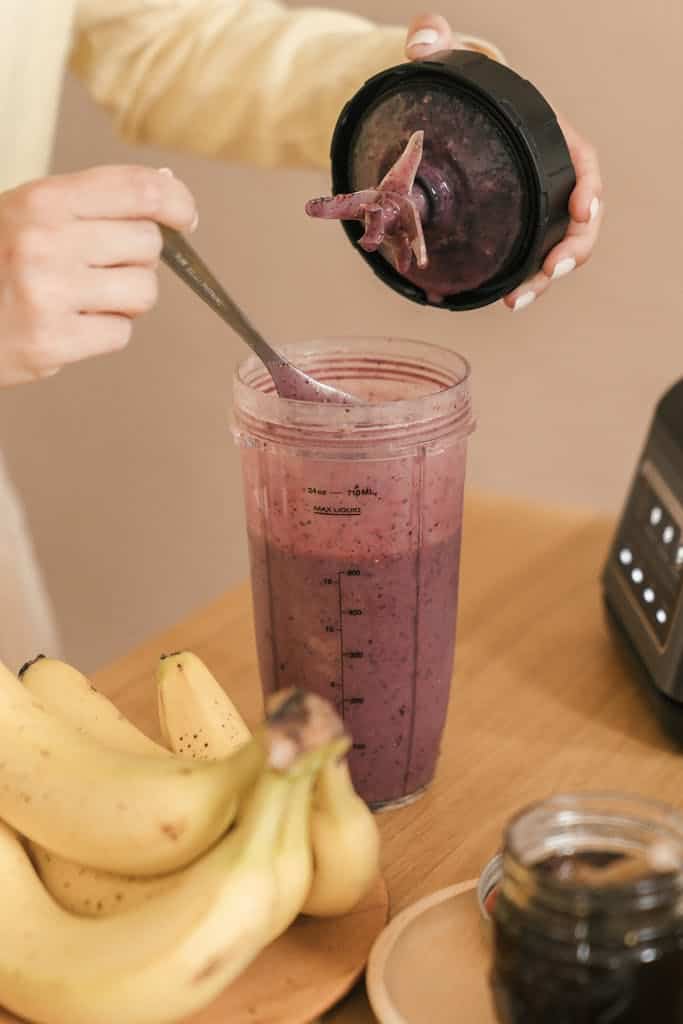
Flax and Pumpkin Seed Morning Smoothie
This nutritious vegan smoothie makes it easy to incorporate your daily requirements into your morning routine.
Ingredients:
- 1 tablespoon ground flax seeds
- 1 tablespoon raw pumpkin seeds
- 1 cup spinach
- 1/2 banana
- 1/2 cup blueberries
- 1 cup oat milk or almond milk
- 1 tablespoon almond butter
- 1 teaspoon maple syrup (optional)
Instructions: Combine all ingredients in a blender and blend until smooth. The ground flax seeds will thicken the smoothie slightly while providing omega-3 fatty acids. The pumpkin seeds add a subtle nutty flavor and important minerals. Enjoy immediately for the best texture and nutritional value.
Follicular Phase Energy Balls
These no-bake vegan energy balls are perfect for meal prep and make this practice convenient for busy schedules.
Ingredients:
- 1/2 cup ground flax seeds
- 1/2 cup raw pumpkin seeds, roughly chopped
- 1 cup dates, pitted and soaked
- 1/4 cup almond butter
- 2 tablespoons coconut oil
- 1 teaspoon vanilla extract
- 1/4 cup dark chocolate chips (vegan)
Instructions: Process the soaked dates until they form a paste. Mix in almond butter, coconut oil, and vanilla. Fold in ground flax seeds and chopped pumpkin seeds. Roll into small balls and refrigerate for at least 30 minutes. Each ball provides a portion of your daily requirements along with sustained energy.
Flax-Pumpkin Seed Granola
This homemade vegan granola makes the practice part of your breakfast routine and can be prepared in large batches.
Ingredients:
- 2 cups old-fashioned oats
- 1/2 cup ground flax seeds
- 1/2 cup raw pumpkin seeds
- 1/4 cup maple syrup
- 1/4 cup coconut oil, melted
- 1 teaspoon cinnamon
- 1/2 teaspoon vanilla extract
- 1/4 teaspoon salt
Instructions: Preheat oven to 325°F. Mix dry ingredients in a large bowl. Combine wet ingredients and pour over the dry mixture, stirring well. Spread on a baking sheet and bake for 20-25 minutes, stirring halfway through. Cool completely before storing. Serve with plant-based milk for a hormone-supporting breakfast.
Vegan Recipes for the Luteal Phase
Sunflower Sesame Seed Butter
This homemade vegan seed butter is perfect for the luteal phase and can be used in various ways throughout your day.
Ingredients:
- 1 cup raw sunflower seeds
- 1 cup sesame seeds
- 2 tablespoons coconut oil
- 1 tablespoon maple syrup
- 1/2 teaspoon sea salt
Instructions: Toast sunflower seeds and sesame seeds in a dry pan for 3-4 minutes until fragrant. Cool completely, then process in a food processor for 10-15 minutes until it forms a smooth butter. Add coconut oil, maple syrup, and salt, processing until combined. Store in the refrigerator and use on toast, in smoothies, or eat directly for your daily requirements.
Luteal Phase Trail Mix
This portable vegan snack makes it easy to maintain your practice when you’re on the go.
Ingredients:
- 1 cup raw sunflower seeds
- 1 cup sesame seeds
- 1/2 cup dried cranberries
- 1/2 cup dark chocolate chips (vegan)
- 1/4 cup coconut flakes
- 1 teaspoon sea salt
Instructions: Lightly toast sunflower seeds and sesame seeds in a dry pan until golden. Cool completely, then mix with remaining ingredients. Store in an airtight container. A quarter-cup serving provides your daily requirements along with satisfying flavors and textures.
Sesame Sunflower Seed Crackers
These homemade vegan crackers incorporate your luteal phase seeds into a satisfying snack that pairs well with various plant-based toppings.
Ingredients:
- 1 cup sunflower seeds
- 1/2 cup sesame seeds
- 1/4 cup ground flaxseed
- 1/2 teaspoon garlic powder
- 1/2 teaspoon sea salt
- 1/4 cup water
- 2 tablespoons olive oil
Instructions: Preheat oven to 350°F. Combine all dry ingredients, then add water and olive oil, mixing until the mixture holds together. Press onto a parchment-lined baking sheet to 1/4-inch thickness. Score into crackers and bake for 15-20 minutes until golden. Cool completely before breaking along score lines. These crackers support your goals while providing a satisfying crunch.
Important Considerations and Limitations
Some critics have claimed seed cycling is a myth because you can’t find a study that uses the term specifically. The lack of evidence isn’t proof that it doesn’t support women’s hormones, rather, it is only proof that science hasn’t asked the question or tried to demonstrate evidence.
While studies don’t directly link this practice to hormone balance, they show clear correlations that specific nutritional components in flax, pumpkin, sesame and sunflower seeds may play a role in supporting your natural hormonal cycle.
It’s important to note that the estrogen-promoting and -hindering effects of these lignans are relatively weak and have primarily been associated with anticancer properties rather than normalizing hormone balance. In general, women with a normal menstrual cycle already produce the correct amounts of hormones.
Tips for Successful Vegan Practice
To maximize the potential benefits, focus on quality and consistency. Purchase organic, raw seeds when possible and store them properly to maintain freshness. Flax seeds should be ground fresh daily, as they can become rancid quickly once ground. Keep whole seeds in airtight containers in the refrigerator or freezer to extend their shelf life.
Meal planning can make vegan practice much easier to maintain. Prepare recipes in batches and portion them for easy daily consumption. Consider setting phone reminders to help establish the habit of daily consumption until it becomes second nature.
Remember that this approach is meant to complement, not replace, a balanced plant-based diet and healthy lifestyle. Continue eating a variety of nutrient-dense vegan foods, staying hydrated, getting adequate sleep, and managing stress for optimal hormonal health. Some women notice changes within a few cycles of consistent practice, while others may need several months to observe potential benefits.
Conclusion
Seed cycling represents a gentle, plant-based approach to supporting hormonal balance through the natural nutrients found in specific seeds. While further research is still needed to replicate and expand on these findings across broader populations, the study challenges the previous notion that this practice lacked peer-reviewed clinical validation. Many women find value in this approach as part of their overall wellness routine, and the seeds used provide valuable nutrients regardless of their specific hormonal effects.
Whether you’re dealing with irregular cycles, PMS symptoms, or simply want to support your reproductive health naturally through a vegan approach, seed cycling offers an accessible starting point. The recipes provided make it easy to incorporate the practice into your daily routine in delicious and satisfying ways. As with any wellness practice, listen to your body and consult with healthcare providers if you have specific health concerns or conditions.
Starting seed cycling requires minimal investment but consistent commitment. By understanding the principles behind it, its traditional roots, and the emerging scientific evidence, you’re well-equipped to explore whether seed cycling might benefit your unique hormonal health needs as part of a compassionate, plant-based lifestyle.
Ready to try seed cycling? Start with the follicular phase smoothie recipe and track your cycle for the next 3 months. For more hormone-balancing tips, explore our guide on plant-based nutrition.
Remember: Seed cycling works best as part of a holistic approach including balanced nutrition, stress management, and adequate sleep.
What is seed cycling?
Seed cycling is a natural practice that involves eating specific seeds during different phases of your menstrual cycle to support hormonal balance. During the follicular phase (days 1-14), you consume 1 tablespoon each of ground flax seeds and raw pumpkin seeds daily. During the luteal phase (days 15-28), you switch to 1 tablespoon each of raw sunflower seeds and sesame seeds daily. This vegan-friendly approach has been used in naturopathic medicine for over 40 years.
How do you start seed cycling?
To start seed cycling, first track your menstrual cycle to identify when each phase begins. If you don’t have regular periods, follow the moon cycle (new moon = day 1). During days 1-14, consume 1 tablespoon each of ground flax seeds and raw pumpkin seeds daily. During days 15-28, switch to 1 tablespoon each of raw sunflower seeds and sesame seeds daily. Grind flax seeds fresh daily and use organic, raw seeds for best results. Mix seeds into smoothies, yogurt, salads, or other meals.
What seeds do you eat during the follicular phase?
During the follicular phase (days 1-14 of your menstrual cycle), eat 1 tablespoon of ground flax seeds and 1 tablespoon of raw pumpkin seeds daily. Flax seeds are rich in lignans that help modulate estrogen levels, while pumpkin seeds provide zinc essential for hormone production. Grind flax seeds fresh each day for maximum nutritional benefit, as they can become rancid quickly once ground.
What seeds do you eat during the luteal phase?
During the luteal phase (days 15-28 of your menstrual cycle), eat 1 tablespoon of raw sunflower seeds and 1 tablespoon of sesame seeds daily. Sunflower seeds contain vitamin E, an antioxidant that supports progesterone production, while sesame seeds offer healthy fats and minerals that support overall reproductive health. These seeds align with your body’s natural progesterone dominance during this phase.
Does seed cycling actually work?
Yes, a 2023 randomized clinical trial published in Food Science & Nutrition found that seed cycling improved hormonal markers (FSH, LH, and progesterone), ovarian morphology, and body mass index in women with PCOS over 12 weeks. The study showed a 1.5-2% reduction in LH levels and 1.2-2.5% reduction in FSH levels. While this is the first published clinical evidence, seed cycling has been used successfully in naturopathic medicine for over 40 years, with many women reporting benefits including regulated cycles, reduced PMS symptoms, and improved hormonal balance.
How long does it take for seed cycling to work?
Most women notice changes within 2-3 menstrual cycles of consistent seed cycling, though some may need several months to observe benefits. The 2023 clinical trial showed significant improvements after 12 weeks of consistent practice. Results vary by individual, and consistency is key—missing days or inconsistent practice can delay results. Track your symptoms, cycle regularity, and overall wellness to monitor progress over time.
Can seed cycling help with PCOS?
Yes, the landmark 2023 clinical study specifically assessed seed cycling effects on women with PCOS and found significant improvements. Participants who followed the protocol over 12 weeks experienced improvements in hormonal markers (FSH, LH, and progesterone), ovarian morphology, and body mass index compared to control groups. While seed cycling shows promise for PCOS, it should complement medical treatment, not replace it. Consult your healthcare provider before starting if you have PCOS.
Is seed cycling safe?
Yes, seed cycling is generally safe for most women as it involves eating nutrient-rich whole foods. The seeds used—flax, pumpkin, sunflower, and sesame—are common foods with well-established safety profiles. However, some women may experience digestive changes when first introducing seeds. Start with smaller amounts if needed and gradually increase. If you have seed allergies, hormonal conditions, or are taking hormone medications, consult your healthcare provider before starting seed cycling.
Can you do seed cycling if you don’t have a regular period?
Yes, you can practice seed cycling without a regular period by following the moon cycle. Start the follicular phase (flax and pumpkin seeds) with the new moon and continue for 14 days. Then switch to the luteal phase (sunflower and sesame seeds) with the full moon for the next 14 days. This 28-day cycle mimics the natural menstrual cycle rhythm. Many women find that consistent seed cycling using the moon cycle eventually helps regulate their periods.
Do the seeds need to be raw for seed cycling?
Yes, raw seeds are recommended for seed cycling to preserve their nutritional content and beneficial properties. Roasting or heating seeds can damage delicate nutrients, omega-3 fatty acids, and lignans that support hormonal balance. Purchase organic, raw seeds when possible and store them in airtight containers in the refrigerator or freezer to maintain freshness. Flax seeds should be ground fresh daily, as they oxidize quickly once ground. Lightly toasting sunflower and sesame seeds for recipes is acceptable if done minimally.
⚠️ Affiliate Disclosure: This article contains affiliate links to products I recommend. If you purchase through these links, I may earn a small commission at no additional cost to you. As a registered massage therapist with 17+ years of experience, I only recommend products I personally use or genuinely believe will benefit your health and wellness. All opinions and recommendations are based on my professional expertise and clinical experience.
About the Author

Steph Swarts, RMT, CNP
Steph Swarts is a registered massage therapist and certified naturopathy practitioner with 17+ years of clinical experience helping clients optimize their health through evidence-based supplementation and holistic wellness strategies.
Professional Credentials:
- Registered Massage Therapist (RMT) – Licensed in Ontario, Canada
- Certified Naturopathic Practitioner (CNP)
- Raindrop Technique Practitioner (RTP)
- 17+ years in clinical practice
- Specialized training in Prenatal Massage Therapy
Clinical Expertise:
“As a healthcare professional with naturopathic training, I evaluate supplements using the same rigorous standards I apply in client care. My recommendations prioritize:
✅ Safety: Thorough evaluation of quality and purity
✅ Evidence: Backed by peer-reviewed research
✅ Clinical relevance: Real-world effectiveness for performance and recovery
✅ Professional standards: Third-party testing and manufacturing quality
Over 17+ years, I’ve guided hundreds of clients through their health journey, injury recovery, and overall wellness. Every recommendation reflects my professional commitment to evidence-based natural health.
Professional Memberships:
- Registered Massage Therapist with CMTO
- Member of RMTAO
- Certified Naturopathy Practitioner with NCCAP, CPD, and CMA
- Raindrop Technique Practitioner with Institute Of Energy Wellness Studies
📧 Contact: stephaniejswarts.rmt@gmail.com
🌐 Website: www.stephswarts.com
📱 Social: https://www.facebook.com/StephanieJSwarts
Professional Disclaimer: Information provided is for educational purposes based on clinical expertise and current research. This does not replace individualized medical advice. Consult your healthcare provider before starting any supplement regimen, especially if you have pre-existing conditions or take medications.