
**By Steph Swarts, RMT, CNP** *Registered Massage Therapist | Certified Naturopathic Practitioner* 📅 Last Updated: December 21, 2025 ✅ Evidence-based recommendations from a licensed healthcare professional
If you have felt torn about protein and whether to go plant-based or to keep animal products in your diet, you are not alone. It is an understatement to say it can feel stressful to make these decisions when there is so much information out there, especially when your social group or family members eat differently than you. Understanding the difference between plant protein and animal protein sources through this unbiased comprehensive comparison can help you discover the kind of diet that is right for you and give you backbone and confidence in your everyday diet.
What Is Protein and Why Do We Need It?
Protein is one of the three macronutrients your body needs (along with carbs and fats). Your body uses this essential nutrient like building blocks to create and fix muscles, make enzymes and hormones, and keep your immune system strong (Institute of Medicine, 2005). All protein sources come with smaller pieces called amino acids, which are like the individual LEGO blocks your body uses to build what it needs.
Complete vs Incomplete Protein Sources
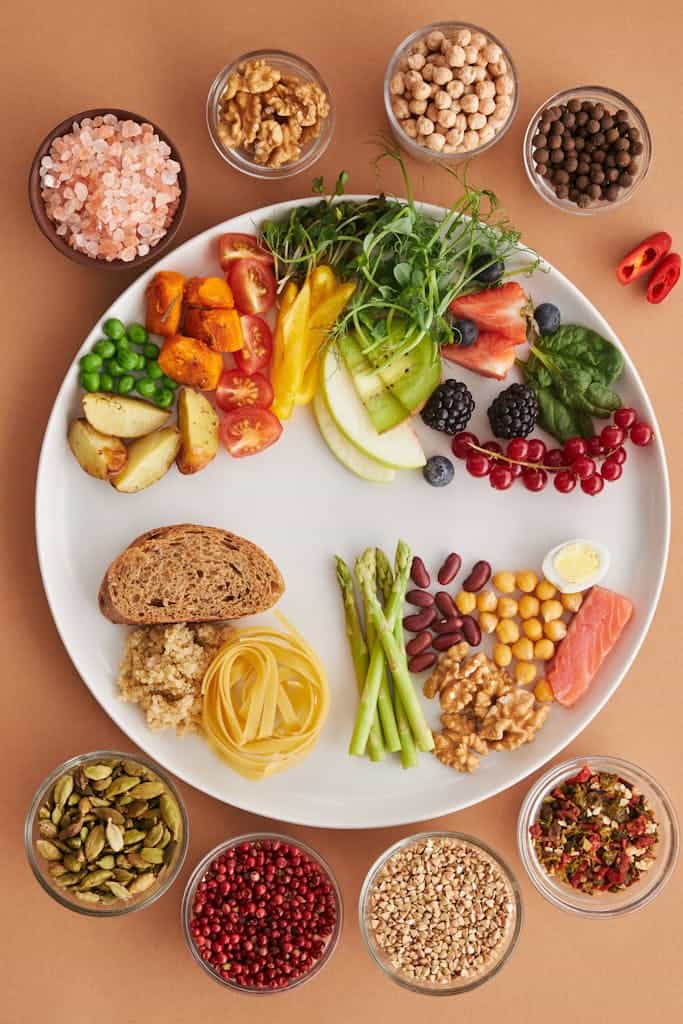
When it comes to meeting your daily protein requirements, you have two primary options: plant-based sources and animal-based sources.
The biggest difference between plant protein and animal protein is in their amino acid makeup. Animal protein sources usually have all nine amino acids your body can’t make on its own, making them “complete” proteins. Most plant proteinsources are “incomplete” because they’re missing enough of one or more of these important amino acids (Mathai et al., 2017).
But this doesn’t mean plant protein is worse for you. You can still get all the amino acids you need by eating different plant protein foods throughout the day. Good combinations include rice and beans, hummus with whole wheat pita, or peanut butter on whole grain bread (Schaafsma, 2000).
How Well Your Body Uses Different Sources
Animal varieties are generally easier for your body to break down and use. Scientists measure this with something called PDCAAS (basically a score from 0 to 1). Animal sources usually score between 0.9-1.0, while most plant sources score between 0.5-0.8 (Schaafsma, 2000; Mathai et al., 2017). This means your body can use about 90-100% of animal varieties versus 50-80% of most plant types.
However, some plant sources like soy and quinoa score almost as high as animal varieties. You can also make plant sources easier to digest by soaking, sprouting, or cooking them properly (Rutherfurd et al., 2015).
What Else Comes With Your Nutrition
Animal foods often come with extra nutrients like vitamin B12, iron (the kind your body absorbs easily), zinc, and healthy fish oils. These nutrients are either missing from plants or harder for your body to use.
But plant foods come with their own benefits like fiber, antioxidants (which fight cell damage), and various vitamins and minerals that animal foods don’t have. Plant sources are also usually lower in saturated fat and have no cholesterol.
Environmental Impact
Making plant varieties is much easier on the environment than making animal varieties. Here’s a striking example: to get 100 grams of protein from peas, you only create 0.4 kg of carbon pollution. But to get the same amount of protein from beef, you create 35 kg of carbon pollution – that’s almost 90 times more! (Poore & Nemecek, 2018)
Research shows that compared to beef protein, plant sources need about 18 times less land, 10 times less water, 9 times less fuel, 12 times less fertilizer, and 10 times less pesticides (Fresán et al., 2019). Raising animals for food also creates more greenhouse gases than growing plants.
Of course, the exact environmental impact depends on how the food is grown, how far it travels, and how it’s processed.
Cost Comparison
Plant foods are usually much cheaper than animal varieties. Dried beans, lentils, and grains give you lots of protein for way less money than meat, fish, or dairy. However, some processed plant protein products like powders or fake meat can cost more than regular animal foods.
Health Effects
Studies show that eating more plant protein instead of animal protein might lower your risk of heart disease, some cancers, and type 2 diabetes. A big 2024 study from Harvard found that people who ate the most plant protein compared to animal protein had a 19% lower risk of heart disease and a 27% lower risk of coronary artery disease (Glenn et al., 2024). Plant foods also come with fiber and antioxidants that are good for you.
Animal sources can be part of a healthy diet, but eating too much (especially processed meats like bacon and hot dogs) might increase some health risks (Lamberg-Allardt et al., 2023). However, lean animal varieties like fish, chicken, and low-fat dairy can give you valuable nutrients without much risk.
If you have health concerns and you’re considering going plant-based for medical reasons, check out Dr McDougall’s Programs.
Practical Everyday Considerations
Animal foods are often more convenient and familiar to most people. They don’t require much planning to get all your amino acids, and they’re available at most restaurants.
Plant sources take a bit more knowledge and planning to make sure you’re getting everything you need, but they offer more variety and can be more creative in cooking. Many people find plant foods more filling because of their fiber content and interesting flavors.
How Much Protein Do You Actually Need?
Whether you choose plant or animal sources, most adults need about 0.8 grams of protein per kilogram they weigh (that’s about 0.36 grams per pound) according to official guidelines (Institute of Medicine, 2005). However, newer research suggests you might need a bit more – around 1.0 gram per kilogram for better health (Helms et al., 2014). If you’re an athlete or older adult, you might need even more protein – about 1.2-1.7 grams per kilogram of body weight (American College of Sports Medicine, 2016).
Both plant and animal sources can meet these protein needs just fine when you eat a variety of foods. The most important thing is getting enough total intake each day, not necessarily where it comes from.
Dietary Labels

Here’s a comprehensive list of the different dietary labels people use to identify their eating patterns regarding animal products:
Vegan
- No animal products whatsoever (meat, dairy, eggs, honey, gelatin, etc.)
- Often extends to non-food items (leather, wool, cosmetics tested on animals)
Strict Vegetarian
- No meat, poultry, or fish
- May include dairy and eggs
- Sometimes used interchangeably with vegan
Lacto-Vegetarian
- No meat, poultry, fish, or eggs
- Includes dairy products
Ovo-Vegetarian
- No meat, poultry, fish, or dairy
- Includes eggs
Lacto-Ovo Vegetarian
- No meat, poultry, or fish
- Includes both dairy and eggs (most common type of vegetarian)
Pescatarian (or Pescetarian)
- No meat or poultry
- Includes fish, seafood, dairy, and eggs
Flexitarian (or Semi-Vegetarian)
- Primarily vegetarian but occasionally eats meat, poultry, or fish
- Flexible approach to plant-based eating
Plant-Based
- Focuses on whole plant foods
- May occasionally include small amounts of animal products
- Often used more for health than ethical reasons
Animal Product-Focused Diets
Carnivore
- Only animal products (meat, fish, eggs, some dairy)
- No plant foods
Zero-Carb
- Similar to carnivore but specifically eliminates all carbohydrates
- Focus on meat and animal fats
Keto-Carnivore
- Combination of ketogenic and carnivore principles
- Very high fat, moderate intake, zero carbs from animal sources only
Specific Restrictions
Pollotarian
- No red meat or fish
- Includes poultry, dairy, and eggs
Pesce-Pollotarian
- No red meat
- Includes poultry, fish, dairy, and eggs
Raw Vegan
- Vegan diet with no cooked foods
- Only raw, unprocessed plant foods
Fruitarian
- Only fruits, nuts, and seeds
- Subset of raw veganism
Breatharian
- Claims to live on air and sunlight alone (not scientifically viable)
Health-Focused Labels
Whole Food Plant-Based (WFPB)
- Plant foods only, minimal processing
- No refined oils, sugars, or processed foods
Mediterranean
- High in plants, moderate fish, limited meat
- Includes olive oil, whole grains, legumes
Paleo
- Foods presumed available to Paleolithic humans
- Includes meat, fish, vegetables, fruits, nuts
- Excludes grains, legumes, dairy, processed foods
Primal
- Similar to Paleo but may include some dairy
- Focuses on “primal” foods
Emerging/Modern Labels
Climatarian
- Chooses foods based on environmental impact
- Usually means less meat, more plants
Reducetarian
- Committed to reducing (not eliminating) meat consumption
- Less restrictive than vegetarianism
Weekday Vegetarian
- Vegetarian Monday through Friday, eats meat on weekends
Seagan
- Vegan plus seafood (essentially pescatarian)
These labels help people communicate their dietary choices and find like-minded communities, though individual interpretations can vary. Some people may not fit neatly into any category or may use multiple labels depending on the context.
Making the Right Choice for You
Choosing between plant protein and animal protein depends on what works best for your life. Think about your health needs, environmental concerns, budget, cultural background, and what foods you actually enjoy eating.
Many people eat both plant and animal foods, which lets them get the benefits of both types. Whether you choose plant protein, animal protein, or mix them together, the most important thing is making sure you get enough of this essential nutrient every day from a variety of good foods.
To learn more about Plant Proteins, Read 2025 Ultimate Guide To Plant Protein (No Fake Meat).
References
American College of Sports Medicine. (2016). Nutrition and athletic performance. Medicine & Science in Sports & Exercise, 48(3), 543-568.
Fresán, U., Errendal, S., & Craig, W. J. (2019). Influence of the dietary approach to stop hypertension (DASH) diet on blood pressure in patients with and without diabetes mellitus: A systematic review and meta-analysis of randomized controlled trials. Advances in Nutrition, 10(2), 224-233.
Glenn, A. J., Wang, F., Tessier, A. J., Manson, J. E., Rimm, E. B., Mukamal, K., … & Hu, F. B. (2024). Dietary plant to animal ratio and risk of cardiovascular disease in three prospective cohorts. American Journal of Clinical Nutrition, 120(6), 1357-1365.
Helms, E. R., Aragon, A. A., & Fitschen, P. J. (2014). Evidence-based recommendations for natural bodybuilding contest preparation: nutrition and supplementation. Journal of the International Society of Sports Nutrition, 11, 20.
Institute of Medicine. (2005). Dietary Reference Intakes for Energy, Carbohydrate, Fiber, Fat, Fatty Acids, Cholesterol, and Amino Acids. Washington, DC: The National Academies Press.
Lamberg-Allardt, C., Bärebring, L., Arnesen, E. K., Nwaru, B. I., Thorisdottir, B., Ramel, A., … & Åkesson, A. (2023). Animal versus plant-based intake and risk of cardiovascular disease and type 2 diabetes: a systematic review of randomized controlled trials and prospective cohort studies. Food & Nutrition Research, 67, 9003.
Mathai, J. K., Liu, Y., & Stein, H. H. (2017). Values for digestible indispensable amino acid scores (DIAAS) for some dairy and plant sources may better describe quality than values calculated using the concept for digestibility-corrected amino acid scores (PDCAAS). British Journal of Nutrition, 117(4), 490-499.
Poore, J., & Nemecek, T. (2018). Reducing food’s environmental impacts through producers and consumers. Science, 360(6392), 987-992.
Rutherfurd, S. M., Fanning, A. C., Miller, B. J., & Moughan, P. J. (2015). Digestibility-corrected amino acid scores and digestible indispensable amino acid scores differentially describe quality in growing male rats. The Journal of Nutrition, 145(2), 372-379.
Schaafsma, G. (2000). The digestibility–corrected amino acid score. The Journal of Nutrition, 130(7), 1865S-1867S.
About the Author

Steph Swarts, RMT, CNP
Steph Swarts is a registered massage therapist and certified naturopathy practitioner with 17+ years of clinical experience helping clients optimize their health through evidence-based supplementation and holistic wellness strategies.
Professional Credentials:
- Registered Massage Therapist (RMT) – Licensed in Ontario, Canada
- Certified Naturopathic Practitioner (CNP)
- Raindrop Technique Practitioner (RTP)
- 17+ years in clinical practice
- Specialized training in Prenatal Massage Therapy
Clinical Expertise:
“As a healthcare professional with naturopathic training, I evaluate supplements using the same rigorous standards I apply in client care. My recommendations prioritize:
✅ Safety: Thorough evaluation of quality and purity
✅ Evidence: Backed by peer-reviewed research
✅ Clinical relevance: Real-world effectiveness for performance and recovery
✅ Professional standards: Third-party testing and manufacturing quality
Over 17+ years, I’ve guided hundreds of clients through their health journey, injury recovery, and overall wellness. Every recommendation reflects my professional commitment to evidence-based natural health.
Professional Memberships:
- Registered Massage Therapist with CMTO
- Member of RMTAO
- Certified Naturopathy Practitioner with NCCAP, CPD, and CMA
- Raindrop Technique Practitioner with Institute Of Energy Wellness Studies
📧 Contact: stephaniejswarts.rmt@gmail.com
🌐 Website: www.stephswarts.com
📱 Social: https://www.facebook.com/StephanieJSwarts
Professional Disclaimer: Information provided is for educational purposes based on clinical expertise and current research. This does not replace individualized medical advice. Consult your healthcare provider before starting any supplement regimen, especially if you have pre-existing conditions or take medications.


